
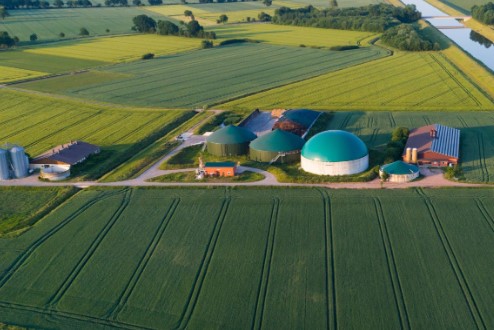
Biogas production has long been a cornerstone of renewable energy, offering a sustainable way to generate energy from organic waste. However, the industry is now entering a new era: Biogas 2.0. This evolution is marked by the integration of smart technologies to optimize efficiency, maximize yields, and enhance the economic and environmental benefits of biogas systems.
1. What is Biogas 2.0?
Biogas 2.0 refers to the application of advanced technologies and data-driven approaches to traditional biogas production processes. By leveraging innovations like artificial intelligence (AI), Internet of Things (IoT), and advanced materials, Biogas 2.0 systems aim to overcome limitations in traditional biogas production, such as inefficiencies in feedstock utilization and variability in gas yields.
2. Key Components of Biogas 2.0
1. Smart Monitoring Systems
- Sensors integrated into biogas plants monitor critical parameters such as temperature, pH, methane concentration, and pressure in real-time.
- Data collected is analyzed to identify inefficiencies and optimize operations automatically.
2. Advanced Feedstock Management
- AI-driven models predict the ideal mix of feedstocks to maximize gas yields.
- Pre-treatment technologies, such as enzymatic hydrolysis and thermal treatment, improve feedstock digestibility.
3. IoT-Enabled Automation
- IoT systems connect components of the biogas plant, enabling automated adjustments to feeding schedules, stirring mechanisms, and gas storage.
- Remote monitoring and control allow operators to manage systems from anywhere, reducing the need for on-site personnel.
4. Enhanced Methane Recovery
- Innovations in upgrading biogas to biomethane ensure higher methane purity, making it suitable for natural gas grids or use as a vehicle fuel.
- Technologies like membrane separation and pressure swing adsorption (PSA) are increasingly efficient and cost-effective.

3. Benefits of Biogas 2.0
Higher Efficiency
- Smart systems ensure optimal conditions for anaerobic digestion, leading to higher methane yields.
- Reduced downtime and maintenance needs due to predictive diagnostics.
Cost Savings
- Automated operations lower labor costs and reduce energy consumption within the plant.
- Improved feedstock management minimizes waste and maximizes resource utilization.
Environmental Gains
- Enhanced methane capture reduces greenhouse gas emissions.
- Integration with carbon capture technologies can further reduce the carbon footprint of biogas plants.
Scalability and Accessibility
- Modular designs and remote management capabilities make Biogas 2.0 systems suitable for both small-scale and industrial applications.
- Increased efficiency makes biogas production more viable in regions with limited resources.
4. Applications of Biogas 2.0
Agriculture
– Smart biogas systems process livestock manure and crop residues more effectively, producing renewable energy and high-quality fertilizer for farms.
Industrial Waste Management
– Industries can use Biogas 2.0 technologies to convert food processing and wastewater treatment residues into energy, offsetting operational costs.
Urban Waste Solutions
– Municipalities can deploy advanced biogas plants to handle organic waste from households, reducing landfill use and producing renewable energy for local communities.
Transportation
– Biomethane produced using Biogas 2.0 technologies powers vehicles, supporting the shift to sustainable transportation.
5. Success Stories in Biogas 2.0
- Germany: Several German biogas plants have adopted smart technologies to integrate biogas into national energy grids more efficiently. Companies like EnviTec Biogas and WELTEC BIOPOWER are leading the way with innovative solutions.
- India: Rural communities are benefiting from IoT-enabled small-scale biogas plants that optimize energy production and provide fertilizer for local agriculture.
- Scandinavia: Biogas 2.0 systems in Sweden and Denmark are producing biomethane for public transport, helping these countries reduce their reliance on fossil fuels.
6. Conclusion
Biogas 2.0 is not just an upgrade—it’s a revolution in how we produce and utilize biogas. By embracing smart technologies, the biogas industry can maximize yields, reduce costs, and expand its role in the global energy transition.
For businesses, governments, and communities looking to invest in renewable energy, Biogas 2.0 represents a forward-thinking, sustainable, and highly efficient solution. The future of energy is smart, and biogas is leading the charge.
 Manufacturer of biogas analyzer, landfill gas analyzer and extraction monitor, anaerobic digester gas analyzer