
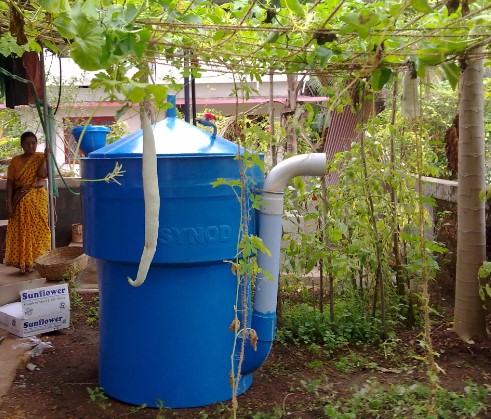
Renewable energy is more crucial than ever as communities worldwide seek cost-effective, sustainable solutions to meet their growing energy needs. Among the many renewable options, biogas stands out for its versatility, efficiency, and accessibility. Simple biogas plants, designed for ease of construction and operation, offer an affordable way for households, farms, and small businesses to produce clean energy while managing waste sustainably.
1. What is a Simple Biogas Plant?
A simple biogas plant is a basic system that converts organic waste into biogas through anaerobic digestion. These plants are designed to be low-cost, easy to assemble, and highly effective, making them an ideal solution for rural households and small-scale applications.
Key Components of a Simple Biogas Plant
- Digester Tank: A sealed container where organic waste is broken down by microorganisms.
- Inlet and Outlet: Pipes for adding feedstock (waste) and removing digestate (byproduct).
- Gas Storage: A chamber or balloon to collect and store the produced biogas.
- Stirring Mechanism: Optional but improves digestion efficiency.
Gas monitoring: Biogas analyzers, such as the GASCHEK1000 portable biogas analyzer, use advanced photoelectric sensing principles to detect and analyze methane (CH4), oxygen (O2), carbon dioxide (CO2), hydrogen sulfide (H2S) and other gases, and accurately report , while effectively checking the digestive process.

portable biogas analyzer GASCHEK1000
2. Advantages of Simple Biogas Plants
Affordability
- Constructed from locally available materials, such as bricks, cement, and plastic tanks, simple biogas plants are cost-effective to build.
- Maintenance costs are minimal, making them accessible to low-income households.
Waste Management
- Efficiently processes organic waste like kitchen scraps, crop residues, and animal manure.
- Reduces the environmental impact of waste disposal.
Clean Energy Production
- Provides a renewable source of biogas for cooking, heating, or lighting.
- Reduces dependency on firewood, charcoal, and fossil fuels, helping lower energy costs.
Environmental Benefits
- Captures methane, a potent greenhouse gas, that would otherwise escape into the atmosphere.
- Produces digestate, a nutrient-rich organic fertilizer, supporting sustainable agriculture.
3. How Simple Biogas Plants Work
1. Feedstock Addition: Organic waste, mixed with water, is fed into the digester tank.
2. Anaerobic Digestion: Microorganisms break down the waste in the absence of oxygen, producing biogas (methane and carbon dioxide) and digestate.
3. Gas Collection: The biogas rises and is stored in a collection chamber, ready for use.
4. Digestate Use: The remaining byproduct is removed through the outlet pipe and can be used as fertilizer.
4. Applications of Simple Biogas Plants
Households
- Cooking fuel for rural homes, replacing firewood and improving indoor air quality.
- Lighting in areas without electricity access.
Small Farms
- Manure from livestock can be processed to produce biogas and fertilizer.
- Energy generated can power farm equipment or heat greenhouses.
Schools and Communities
- Centralized biogas plants for canteens, reducing food waste and energy costs.
- Education on sustainable practices for students and the local population.
5. Building a Simple Biogas Plant
1. Planning and Site Selection
Choose a location with good drainage, sunlight exposure, and proximity to the waste source.
2. Material Gathering
Gather basic materials like a drum or tank for the digester, pipes for inlets and outlets, and a plastic balloon or tank for gas storage.
3. Assembly
- Install the digester and connect the inlet and outlet pipes.
- Attach a gas storage unit and connect it to a stove or burner.
4. Operation
- Add organic waste daily and ensure a consistent mix of feedstock and water.
- Monitor gas production and use digestate regularly.

6. Challenges and Solutions
Challenge: Limited Awareness
Solution: Promote educational programs to teach communities about the benefits and construction of simple biogas plants.
Challenge: Feedstock Variability
Solution: Encourage co-digestion by mixing different types of organic waste to enhance gas production.
Challenge: Maintenance Issues
Solution: Provide training on basic maintenance and troubleshooting techniques.
7. Why Choose Simple Biogas Plants?
Simple biogas plants are more than just a tool for energy production—they represent an opportunity to empower individuals and communities. By investing in these systems, users can:
- Achieve energy independence.
- Improve environmental health.
- Support sustainable agriculture and food security.
As global energy demands rise and environmental challenges intensify, simple biogas plants provide an accessible and scalable solution that can be implemented almost anywhere.
8. Conclusion: An Affordable Path to Sustainability
Simple biogas plants offer a practical, affordable, and eco-friendly way to harness renewable energy from everyday waste. They bridge the gap between modern energy needs and sustainable living, making renewable energy accessible to even the most remote and underserved communities.
For anyone seeking to reduce waste, lower energy costs, and contribute to a greener future, investing in a simple biogas plant is a step in the right direction. With continued innovation and support, these systems have the potential to revolutionize energy access worldwide.
 Manufacturer of biogas analyzer, landfill gas analyzer and extraction monitor, anaerobic digester gas analyzer