
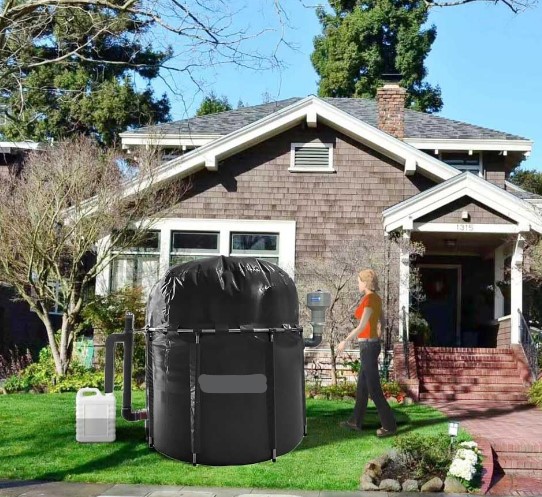
As households and communities look for sustainable and cost-effective energy solutions, home biogas digesters have emerged as a practical choice for achieving energy independence. These small-scale systems convert organic waste into renewable energy and nutrient-rich fertilizer, offering a win-win solution for homeowners, the environment, and local economies. With affordable options now widely available, transitioning to a home biogas system has never been easier.
1. What is a Home Biogas Digester?
A home biogas digester is a compact system that uses anaerobic digestion to break down organic waste, such as food scraps, animal manure, and plant residues. This process produces:
- Biogas: A renewable energy source, primarily composed of methane, which can be used for cooking, heating, or even generating electricity.
- Digestate: A nutrient-rich byproduct that serves as an organic fertilizer for gardens and crops.
2. Benefits of Home Biogas Digesters
Energy Independence
- Generate your own renewable energy at home, reducing reliance on external energy sources.
- Save on monthly energy bills by replacing cooking gas or electricity with biogas.
Environmental Benefits
- Reduce organic waste sent to landfills, minimizing methane emissions from decomposition.
- Decrease the carbon footprint by replacing fossil fuels with renewable biogas.
Economic Savings
- Offset energy and fertilizer costs over time.
- Affordable biogas digesters offer quick returns on investment, especially for households that produce large amounts of organic waste.
Soil and Agricultural Benefits
- Use the digestate to improve soil health and increase crop yields, reducing the need for synthetic fertilizers.
3. Affordable Home Biogas Digesters for Sale
1. Fixed-Dome Digesters
- Simple and durable design.
- Ideal for long-term use in rural areas.
2. Floating-Drum Digesters
- Easy-to-install systems with visible biogas storage.
- Suitable for small to medium-scale waste processing.
3. Portable Biogas Digesters
- Compact and lightweight, perfect for urban households or renters.
- Easy to set up and relocate.
4. Inflatable Biogas Systems
- Cost-effective and flexible.
- Require minimal installation and can be used in a variety of climates.

4. How to Choose the Right System
- Household Waste Production: Assess how much organic waste your household generates daily to determine the appropriate digester size.
- Space Availability: Ensure you have adequate space for the system, whether indoors or outdoors.
- Climate: Choose a digester that suits your local climate; some models perform better in colder regions with additional insulation or heating.
- Usage Goals: Decide if you’ll use the biogas primarily for cooking, heating, or other energy needs.
5. Installation and Operation
Installing a home biogas digester is relatively straightforward:
- 1. Site Preparation: Choose a location with sufficient sunlight and protection from extreme weather.
- 2. System Setup: Assemble the digester according to the manufacturer’s instructions. Many portable models come pre-assembled.
- 3. Feeding the Digester: Start by adding organic waste and water in a 1:1 ratio. Gradually increase feeding as the system stabilizes.
- 4. Gas and Fertilizer Use: Use the generated biogas for cooking or heating and collect digestate for your garden.
With proper maintenance, a home biogas digester can last for years, providing reliable energy and waste management.
6. Empowering Households Worldwide
The affordability and accessibility of home biogas digesters are transforming energy access for households globally. In rural communities, these systems provide a sustainable solution for cooking fuel, eliminating the need for firewood and reducing deforestation. In urban areas, they offer an eco-friendly way to manage food waste and lower utility costs.
Governments and organizations are also supporting the adoption of biogas systems through subsidies, grants, and awareness campaigns. These initiatives aim to make renewable energy accessible to all, regardless of location or income level.
7. Conclusion: A Sustainable Future at Home
Affordable home biogas digesters are more than just a tool for energy production—they are a step toward a sustainable and self-reliant lifestyle. By turning household waste into energy and fertilizer, these systems empower individuals to reduce their environmental impact while saving money.
With a range of affordable options now available, there has never been a better time to invest in a home biogas digester. Whether you’re looking to cut energy costs, manage waste sustainably, or contribute to a greener planet, biogas is the perfect solution for the eco-conscious homeowner.
 Manufacturer of biogas analyzer, landfill gas analyzer and extraction monitor, anaerobic digester gas analyzer