

Biogas production, an established renewable energy source, has undergone significant advancements to become more efficient, sustainable, and productive. New-generation technologies, commonly referred to as “Biogas 2.0,” are pushing the boundaries of what biogas can achieve by improving feedstock utilization, enhancing methane yields, and reducing environmental impacts. This article explores some of the most promising Biogas 2.0 technologies and how they are revolutionizing the biogas industry to better serve global energy and environmental needs.
1. Enhanced Pre-Treatment Processes
Thermal Hydrolysis: Heating biomass under high pressure to break down complex organic compounds, increasing biodegradability and, consequently, biogas yield.
Mechanical Pre-Treatment: Grinding, pulping, or shredding feedstock to increase surface area, making it easier for microbes to access and break down organic material.
Chemical Pre-Treatment: Using chemicals like acids, alkalis, or oxidizing agents to break down lignin and cellulose, thus enhancing the availability of organic compounds for digestion.
These pre-treatment processes make it possible to utilize a wider range of feedstocks, including agricultural residues and municipal waste, which in turn reduces waste sent to landfills and boosts the production capacity of biogas plants.
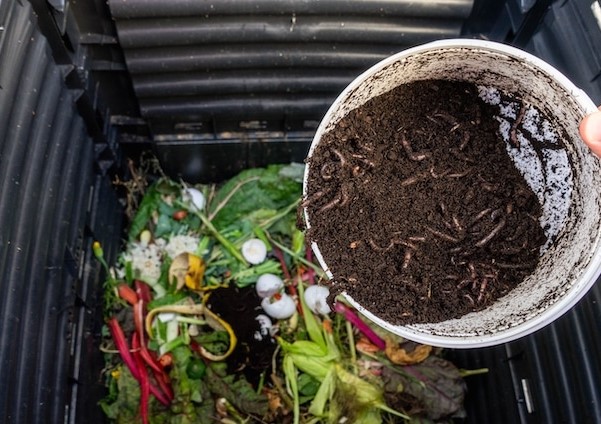
2. Co-Digestion of Mixed Feedstocks
Enhanced Microbial Activity: Mixed feedstocks provide a more diverse range of nutrients, which supports various microbial communities responsible for different stages of anaerobic digestion.
Increased Methane Yields: Certain combinations of feedstocks have been shown to produce higher methane yields due to improved digestibility and nutrient composition.
Waste Diversion: Co-digestion enables biogas plants to handle multiple waste streams, diverting organic waste from landfills and reducing environmental pollution.
3. Upgraded Microbial Consortia
Specialized Microbial Communities: Introducing microbial strains that are particularly efficient in breaking down certain types of organic compounds, such as cellulose or fatty acids.
Bioaugmentation: Adding specific microbial cultures to boost the activity of the digester. Bioaugmentation can help stabilize digester performance, especially when operating under challenging conditions like high organic loading rates.
Microbial Electrochemical Systems (MES): Using electrodes to stimulate microbial activity and enhance methane production. In MES, microbes interact with an electrically conductive surface, accelerating digestion and increasing methane yields.
4. Integrated Nutrient Recovery Systems
Phosphorus Recovery: Technologies such as struvite crystallization allow for the extraction of phosphorus from digestate, which can be used in agriculture to replace synthetic fertilizers.
Ammonia Stripping and Nitrification-Denitrification: Removing and transforming nitrogen compounds from digestate helps control nutrient levels and create products suitable for agricultural use. This process also reduces the risk of nutrient leaching when digestate is applied to farmland.
Biochar Production from Digestate: Converting digestate into biochar creates a stable form of carbon that can improve soil quality, retain nutrients, and act as a carbon sink.
5. Real-Time Monitoring and Smart Control Systems
Real-Time COD and Methane Monitoring: Tracking chemical oxygen demand (COD) and methane levels in real-time allows for precise adjustments to feedstock and operating conditions to maximize methane production. For example, the GASCHEK1000 portable biogas analyzer uses advanced photoelectric sensing principles to detect and analyze gases such as methane (CH4), oxygen (O2), carbon dioxide (CO2), and hydrogen sulfide (H2S), and report them accurately, while effectively checking the digestion process.

portable biogas analyzer GASCHEK1000
Predictive Maintenance: Machine learning algorithms analyze data to predict potential failures, enabling preemptive maintenance and reducing downtime.
Automated Feedstock Management: Sensors and control systems adjust feedstock input based on digester conditions, ensuring optimal organic loading rates and preventing overloads or imbalances.
6. Carbon Capture and Bio-CO₂ Utilization
Carbon Capture and Storage (CCS): Capturing CO₂ and storing it underground or using it in industrial applications, such as enhanced oil recovery.
Bio-CO₂ for Algae Cultivation: Using CO₂ emissions to cultivate algae, which can be used for biofuel, animal feed, or even wastewater treatment.
Renewable Methane Production: Reacting captured CO₂ with hydrogen (produced via electrolysis using renewable energy) to create renewable methane. This methane can then be fed back into the biogas system or used as a sustainable fuel.
7. High-Pressure Digestion and Thermal Integration
Increased Biogas Yield: Higher pressures and temperatures speed up the breakdown of organic material, resulting in faster digestion and higher methane yields.
Energy Efficiency: Utilizing waste heat from other processes helps maintain a stable operating temperature without additional energy inputs, reducing operational costs.
Conclusion
Biogas 2.0 technologies are revolutionizing the field of biogas production, transforming it into an efficient, flexible, and high-yield energy source. Through advanced pre-treatment, microbial innovations, real-time monitoring, nutrient recovery, and CO₂ utilization, these technologies are helping to maximize biogas yields, reduce environmental impacts, and enhance the sustainability of biogas plants.
 Manufacturer of biogas analyzer, landfill gas analyzer and extraction monitor, anaerobic digester gas analyzer