
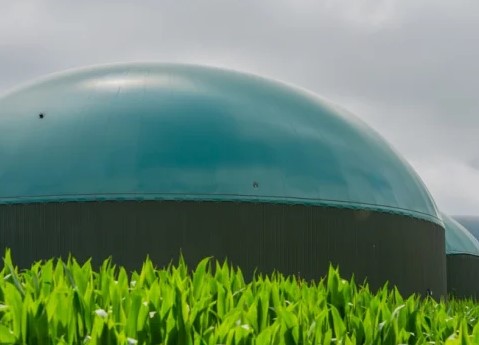
In biogas production, where organic waste is converted into renewable energy, several parameters play a crucial role in assessing the efficiency and health of the system. One of the key indicators of organic load and microbial activity in biogas production is Chemical Oxygen Demand, commonly referred to as COD. Understanding COD is essential for optimizing the anaerobic digestion process, maximizing biogas yields, and ensuring the quality of the digestate.
What is Chemical Oxygen Demand (COD)?
Chemical Oxygen Demand (COD) is a measure of the total amount of oxygen required to chemically break down organic compounds present in a sample. In the context of biogas production, COD quantifies the amount of organic material in the substrate (e.g., animal manure, food waste, or agricultural residues) that can be biologically converted into biogas by microorganisms. Higher COD values indicate a higher concentration of biodegradable organic matter, which suggests that more biogas can potentially be produced. COD is typically expressed in milligrams per liter (mg/L).
Why COD Matters in Biogas Production
1. Indicates Biogas Production Potential
The COD level in a substrate provides a direct indication of the amount of biogas that can potentially be produced. The organic matter measured by COD is broken down by anaerobic bacteria in several stages, ultimately yielding methane (CH₄) and carbon dioxide (CO₂) as byproducts. Generally, higher COD means more organic material available for conversion into biogas, making COD an essential indicator for estimating biogas yields.
2. Assesses the Organic Load of the System
COD values are used to calculate the organic loading rate (OLR) of an anaerobic digester, which is the rate at which organic matter is fed into the system. Maintaining an optimal OLR is critical because it ensures that the microbial communities responsible for biogas production are neither overloaded nor starved. If COD is too high and the digester is overloaded, it can lead to system imbalances, reduced biogas production, and even digester failure. Conversely, if the COD level is too low, the biogas yield may be insufficient to justify the system’s operation.
3. Monitors Digestion Efficiency
COD is also a valuable metric for assessing the digestion efficiency of an anaerobic system. By measuring both the influent (input) COD and effluent (output) COD, operators can determine the percentage of COD removed by the digestion process. A high COD removal rate suggests that the system is effectively breaking down organic matter and producing biogas efficiently. This data helps operators identify any process inefficiencies and make necessary adjustments to improve performance.
4. Controls Effluent Quality for Environmental Compliance
Biogas systems produce digestate, a byproduct that can be used as fertilizer. However, the quality of the digestate must meet certain environmental standards, especially if it is to be applied to fields or discharged into water bodies. Monitoring COD in the effluent helps ensure that the digestate has been sufficiently treated and does not contain excess organic pollutants. High COD in the effluent can indicate incomplete digestion, suggesting that adjustments are needed to improve the process before digestate is safely used as a fertilizer or released.
5. Optimizes Microbial Activity
The anaerobic digestion process relies on a series of microbial communities that work in different stages to break down complex organic matter. COD monitoring helps to maintain a balanced environment where these microorganisms can thrive. By keeping COD levels within an optimal range, operators ensure that the necessary conditions are met for stable microbial activity, which is key for sustained biogas production.
Stages of Anaerobic Digestion and COD Breakdown
Anaerobic digestion involves multiple stages—hydrolysis, acidogenesis, acetogenesis, and methanogenesis—each carried out by specific groups of microorganisms. COD reduction occurs progressively across these stages as organic compounds are broken down into simpler molecules.
1. Hydrolysis: Complex organic compounds, such as carbohydrates, proteins, and fats, are broken down into simpler molecules like sugars, amino acids, and fatty acids. This stage sees an initial reduction in COD as large molecules are converted into forms that bacteria can digest.
2. Acidogenesis: Simple molecules are converted into volatile fatty acids, alcohols, and gases like hydrogen and CO₂, further reducing COD.
3. Acetogenesis: Volatile fatty acids are converted into acetic acid, hydrogen, and CO₂. COD continues to decrease as these intermediates are formed.
4. Methanogenesis: Methanogenic bacteria convert acetic acid and hydrogen into methane and CO₂. This stage sees a significant reduction in COD as biogas is produced, marking the final transformation of organic material into energy.
Measuring and Managing COD in Biogas Plants
Balancing the Feedstock: Different substrates have varying COD levels. By blending feedstocks with high and low COD, operators can achieve an optimal COD level that maximizes biogas production without overloading the system.
Monitoring Hydraulic Retention Time (HRT): The HRT, or the time that the substrate remains in the digester, impacts the COD reduction rate. Adjusting HRT can help control COD levels and improve digestion efficiency.
Maintaining Optimal Environmental Conditions: Factors such as temperature, pH, and nutrient levels influence microbial activity and, consequently, COD breakdown. Keeping these conditions within optimal ranges promotes efficient digestion and COD reduction.
Conclusion
Chemical Oxygen Demand (COD) is a fundamental parameter in biogas production, playing a key role in determining biogas yield, assessing system efficiency, and ensuring environmental compliance. By understanding and managing COD levels, operators can optimize the anaerobic digestion process, balance microbial activity, and produce higher-quality biogas and digestate. For those involved in biogas production, monitoring COD is an essential practice that not only maximizes energy output but also contributes to a cleaner, more sustainable operation.
 Manufacturer of biogas analyzer, landfill gas analyzer and extraction monitor, anaerobic digester gas analyzer