

In many rural areas and small-scale farming operations, finding sustainable, affordable, and eco-friendly energy sources is a constant challenge. Flexi biogas plants are emerging as an ideal solution for small-scale farmers seeking to reduce waste, produce renewable energy, and support their agricultural practices. These systems offer flexibility, affordability, and ease of use, making them especially valuable in communities where traditional energy sources are either expensive or unreliable.
What Are Flexi Biogas Plants?
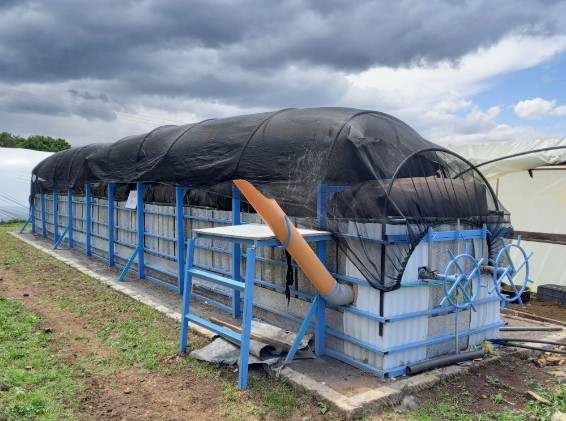
A flexi biogas plant is a type of anaerobic digester designed to convert organic waste materials, such as animal manure, crop residues, and food scraps, into biogas. Unlike traditional fixed biogas plants, which are made of concrete and are stationary, flexi biogas plants are typically made from flexible plastic or rubber materials. This flexibility makes them lighter, portable, and easier to install. These characteristics make flexi biogas plants particularly well-suited to small-scale farmers who may not have the resources or space for larger, fixed units.
Key Advantages of Flexi Biogas Plants for Small-Scale Agriculture
1. Cost-Effectiveness
Flexi biogas plants are generally more affordable to install than fixed biogas plants. Their lightweight, durable plastic construction reduces material and labor costs, allowing small farmers to produce renewable energy at a fraction of the cost. For farmers in low-income areas, these cost savings can make a significant difference, providing them with a renewable energy solution that is accessible and manageable.
2. Ease of Installation and Maintenance
One of the major benefits of flexi biogas plants is their ease of installation and maintenance. Traditional fixed biogas plants often require skilled labor and a considerable amount of time to construct. In contrast, a flexi biogas plant can be set up relatively quickly, and farmers can often manage the installation themselves with minimal assistance. Maintenance is also straightforward, involving basic cleaning and inspection to ensure continued performance. This simplicity empowers small-scale farmers, enabling them to produce biogas without needing extensive technical knowledge.
3. Portability and Flexibility
The portability of flexi biogas plants offers a unique advantage for small-scale farmers who may need to relocate their systems. Flexi biogas units can be moved as needed, which is useful in situations where the farm layout changes or waste sources shift. This flexibility allows farmers to adapt their systems based on the seasonal or operational needs of their farms, ensuring maximum efficiency.
4. Efficient Waste Management and Reduced Environmental Impact
Flexi biogas plants provide an effective way to manage organic waste, which can otherwise contribute to pollution and greenhouse gas emissions. By converting animal manure, crop residues, and kitchen waste into biogas, these plants reduce the amount of waste that ends up in open pits or landfills. This not only helps decrease the release of methane—a potent greenhouse gas—but also provides a valuable source of renewable energy. For small-scale farmers, this dual benefit supports both environmental sustainability and energy self-sufficiency.
5. Production of Biogas for Cooking and Heating
One of the primary uses of biogas produced from flexi biogas plants is cooking and heating. In many rural areas, families rely on wood or charcoal for cooking, which can lead to deforestation, indoor air pollution, and health issues. Biogas provides a cleaner, more sustainable alternative that reduces household reliance on solid fuels. This shift is particularly beneficial in rural communities, where access to clean cooking energy is often limited, and the health impacts of traditional cooking methods are significant.
6. Generation of Organic Fertilizer (Digestate)
Flexi biogas plants produce digestate as a byproduct—a nutrient-rich slurry that can be used as an organic fertilizer. Digestate contains essential nutrients such as nitrogen, phosphorus, and potassium, which can improve soil fertility and promote crop growth. For small-scale farmers, the availability of digestate reduces the need for chemical fertilizers, lowering costs and promoting environmentally friendly farming practices. Applying digestate also helps restore soil health and structure, supporting long-term agricultural productivity.
7. Improved Livelihoods and Economic Resilience
For small-scale farmers, the ability to produce their own energy and fertilizer can lead to significant cost savings. By reducing the need to purchase fuel and chemical fertilizers, farmers can allocate their resources to other areas of their operations, improving their financial resilience. Additionally, flexi biogas systems can generate economic opportunities in rural communities, as some farmers may choose to sell surplus biogas or digestate to neighboring farms or local households.
Practical Applications of Flexi Biogas Plants in Small-Scale Agriculture
Animal Husbandry
Flexi biogas plants are ideal for livestock farms, as they can easily process animal manure into biogas and fertilizer. This approach allows farmers to manage waste effectively, reduce odor, and produce energy for cooking, heating, or lighting. For small dairy, poultry, or pig farms, these systems offer an efficient way to transform waste into valuable resources.
Crop Farming
For crop farmers, flexi biogas plants offer a way to process crop residues and produce organic fertilizer. Farmers can use digestate on their fields, improving soil health and reducing reliance on synthetic fertilizers. This practice promotes a circular economy where waste is reused, benefiting both the environment and the farm’s economic viability.
Community and Cooperative Use
In some cases, communities or farming cooperatives may choose to install flexi biogas plants for shared use. A community biogas plant can provide renewable energy and fertilizer for multiple families or farms, fostering cooperation and resource-sharing. This model is particularly effective in areas where small-scale farmers may not have enough waste individually to support their own biogas system.
Conclusion
Flexi biogas plants present a practical and impactful solution for small-scale farmers looking to improve waste management, reduce costs, and support sustainable agricultural practices. By transforming organic waste into biogas and organic fertilizer, these systems promote self-sufficiency, environmental sustainability, and economic resilience. As more small-scale farmers adopt flexi biogas technology, rural communities worldwide will experience cleaner energy options, improved soil health, and stronger local economies.
 Manufacturer of biogas analyzer, landfill gas analyzer and extraction monitor, anaerobic digester gas analyzer