
As global efforts toward sustainable agriculture and renewable energy intensify, anaerobic methane digesters are emerging as powerful tools in managing organic waste, reducing greenhouse gas emissions, and producing renewable energy. By converting organic material into biogas, these digesters help farmers enhance waste management, improve soil health, and reduce their environmental impact.
What Are Anaerobic Methane Digesters?
Anaerobic methane digesters, or simply anaerobic digesters, are systems designed to break down organic material, like animal manure, food waste, and crop residues, in an oxygen-free environment. Through a biological process called anaerobic digestion, these digesters convert organic waste into biogas—a mixture primarily composed of methane and carbon dioxide. This biogas can then be used as a renewable source of energy, while the remaining material, known as digestate, serves as a nutrient-rich fertilizer.
It is necessary to monitor the composition of biogas. For example, the OLGA2000 biogas online monitoring system uses advanced photoelectric sensing principles to detect methane (CH4), oxygen (O2), carbon dioxide (CO2), hydrogen sulfide (H2S), etc. It can be widely used in gas monitoring in landfill biogas power plants, petrochemical industry, coal mines and other scenarios, and can realize remote data transmission.
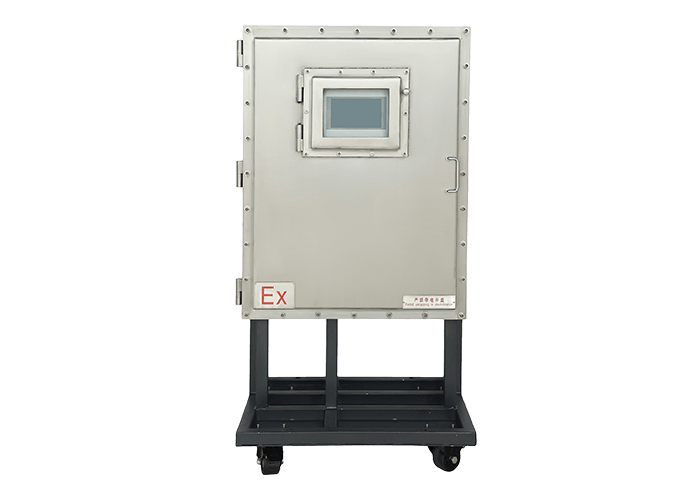
biogas online monitoring system OLGA2000
Key Benefits of Anaerobic Methane Digesters
1. Renewable Energy Production
The biogas produced by anaerobic digesters can be used to generate electricity, heat, or even as a fuel for vehicles. When used for power generation, biogas reduces reliance on fossil fuels, lowering greenhouse gas emissions and contributing to energy independence. Farms equipped with anaerobic digesters can offset their electricity needs and, in some cases, sell excess power back to the grid.
2. Reduction of Greenhouse Gas Emissions
Agricultural operations are significant sources of methane, a potent greenhouse gas. Anaerobic digesters capture this methane, preventing it from escaping into the atmosphere and contributing to climate change. By converting methane into usable energy, these systems help mitigate emissions while making farms more eco-friendly. According to estimates, using digesters can reduce methane emissions from manure by 50% or more, making them a valuable tool for meeting carbon reduction goals.
3. Improved Waste Management
Digesters offer an efficient solution for managing livestock waste and other organic materials, transforming potentially harmful byproducts into useful resources. This reduces the need for large manure storage lagoons, which can be sources of odors, pathogens, and pollutants. In areas with limited land for waste disposal, digesters provide a sustainable alternative that reduces contamination risks and supports local water quality initiatives.
4. Enhanced Soil Health with Digestate Fertilizers
The digestate left after the anaerobic process is rich in nutrients such as nitrogen, phosphorus, and potassium, making it an ideal fertilizer. Unlike raw manure, digestate is more stable and has fewer pathogens, making it safer for application on crops. Using digestate as a fertilizer not only improves soil fertility and crop yields but also reduces the need for synthetic fertilizers, which are energy-intensive to produce and contribute to environmental issues such as soil degradation and water pollution.
5. Economic Benefits for Farmers
Anaerobic digesters can be economically beneficial for farmers in several ways. They reduce costs associated with waste disposal, lower the need for purchased fertilizers, and potentially generate income through energy sales. Some farms also receive carbon credits or government incentives for reducing methane emissions. Additionally, digesters can help mitigate odor and improve the overall quality of life for nearby communities, potentially enhancing the farm’s social license to operate.

Applications of Anaerobic Digesters in Sustainable Agriculture
Livestock Farms
On livestock farms, anaerobic digesters are particularly effective in managing manure, a major source of greenhouse gases. By processing manure into biogas and digestate, livestock farmers can reduce their environmental impact and create a closed-loop system where waste is recycled and put to productive use.
Food Waste Processing on Farms
Some farms incorporate food waste from local communities into their digesters, helping to address broader waste management challenges while enhancing biogas production. This partnership not only helps reduce food waste but also diversifies the feedstock for digesters, improving biogas yield and energy production.
Crop Residues and Agricultural Byproducts
Anaerobic digesters can process crop residues, such as corn stover and straw, along with other agricultural byproducts. This enables farms to make use of materials that would otherwise be left to decompose, releasing methane into the atmosphere. By digesting these residues, farms can generate additional energy while reducing their carbon footprint.
Conclusion
Anaerobic methane digesters represent a promising pathway toward sustainable agriculture by turning organic waste into renewable energy, reducing greenhouse gas emissions, and producing valuable soil amendments. For farms seeking to enhance their environmental and economic sustainability, digesters offer a viable and impactful solution. As the agriculture industry continues to prioritize sustainable practices, the role of anaerobic methane digesters is set to expand, helping to build a resilient and eco-friendly food system for future generations.
 Manufacturer of biogas analyzer, landfill gas analyzer and extraction monitor, anaerobic digester gas analyzer