
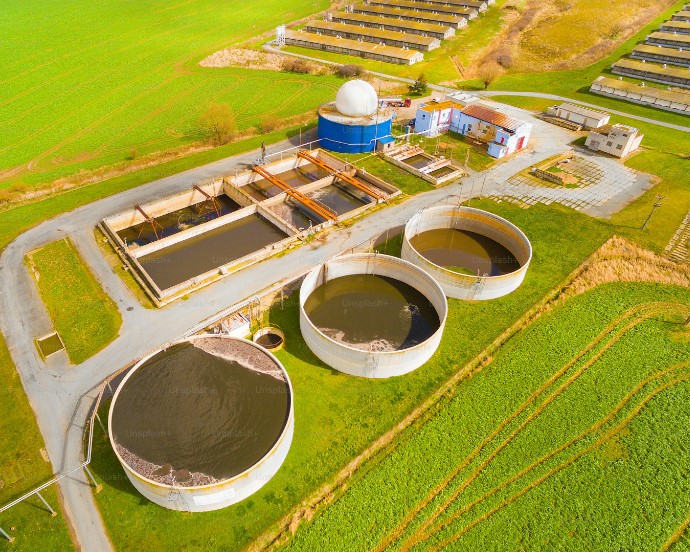
In a world increasingly concerned with environmental sustainability, finding cleaner alternatives to conventional energy sources has become essential. Liquefied Petroleum Gas (LPG) has been a popular fuel choice for households globally, especially for cooking. However, despite its widespread use, LPG is still a fossil fuel that emits carbon dioxide (CO₂) when burned, contributing to greenhouse gas emissions. Enter biogas, a renewable, eco-friendly energy source that offers a sustainable alternative to LPG, particularly for household use.
What is Biogas?
Biogas is a type of biofuel that is naturally produced when organic materials, such as food waste, animal manure, or agricultural residues, decompose in an oxygen-free environment, a process known as anaerobic digestion. The end product of this process is a mixture of gases, primarily methane (CH₄) and carbon dioxide (CO₂), which can be captured and used as a source of energy.
The methane component makes biogas an effective and flammable fuel, similar to LPG. The gas can be used for cooking, heating, lighting, and even generating electricity in small-scale setups. What sets biogas apart from LPG, however, is its renewable nature, as it can be produced from organic waste materials that would otherwise be discarded or left to decompose, releasing methane into the atmosphere.
How Biogas Works as an LPG Alternative
When produced efficiently, biogas can be used in the same way as LPG for many household applications. It can be piped directly from a small-scale digester unit to a kitchen stove, heater, or other gas-powered appliance. Many households, especially in rural areas of developing countries, have already embraced biogas for daily use by installing biogas digesters that transform organic waste into fuel.
Here’s how biogas serves as an alternative to LPG:
- 1. Production Process: While LPG is derived from refining crude oil, biogas is produced locally using a biodigester that breaks down organic materials through anaerobic digestion.
- 2. Storage and Delivery: Biogas can be piped directly from a biodigester to appliances, eliminating the need for fuel cylinders and reducing transportation costs.
- 3. Usage: Like LPG, biogas can power stoves, heaters, and even some generators, making it a versatile fuel choice for households.
Benefits of Using Biogas Over LPG
1. Environmental Benefits
One of the most significant advantages of biogas is its minimal environmental impact. Since it is produced from organic waste materials, biogas is a carbon-neutral energy source. Here’s why:
- Reduced Greenhouse Gas Emissions: When organic waste decomposes naturally, it releases methane into the atmosphere, a greenhouse gas that is more potent than CO₂ in contributing to global warming. By capturing and using methane for fuel, biogas systems prevent these emissions, thereby reducing the household’s overall carbon footprint.
- No Need for Fossil Fuels: LPG relies on non-renewable fossil fuels. Biogas, on the other hand, is produced from renewable resources, such as agricultural or household waste, making it a sustainable fuel choice.
- Low Air Pollution: Biogas burns cleaner than LPG, producing fewer pollutants and particulate matter. As a result, using biogas can improve indoor air quality, especially in homes where stoves are used frequently.
2. Economic Benefits
Switching to biogas can be financially advantageous for households, particularly in rural and semi-urban areas:
- Lower Energy Costs: Once a biogas system is set up, it can provide a consistent fuel supply without the recurring cost of LPG refills. This reduces energy costs, especially for low-income families who rely on gas for cooking.
- Income Generation: Some households or communities may produce excess biogas, which can be sold or shared with neighbors, creating a new revenue stream or reducing community fuel costs.
- Cost Savings on Fertilizers: The byproduct of biogas production, called digestate, is a nutrient-rich organic fertilizer that can be used in gardens and farms. This saves money on chemical fertilizers and benefits agricultural productivity.
3. Health Benefits
Traditional cooking methods using firewood, kerosene, or coal produce smoke and pollutants that are harmful to respiratory health, especially for women and children who spend more time in the kitchen. LPG is a cleaner alternative, but biogas offers even more health benefits:
- Reduced Indoor Air Pollution: Biogas stoves produce very little smoke, significantly lowering indoor air pollution. Cleaner air indoors reduces the risk of respiratory illnesses, eye irritation, and other health problems associated with traditional cooking fuels.
- Cleaner Cooking Environment: Biogas burns without leaving black soot on cooking utensils, making the kitchen environment cleaner and reducing the time and effort needed to clean cookware.
4. Energy Independence
With a biogas system, households become more energy-independent, especially in rural or remote areas where access to LPG may be limited or costly. A small biogas plant allows families to generate their own fuel from readily available organic waste, freeing them from reliance on fuel suppliers and reducing transportation costs.
5. Waste Management Solution
Biogas systems encourage proper waste management by utilizing organic waste to produce energy. Food scraps, animal manure, and agricultural residues, which would otherwise contribute to landfill waste, can be fed into a biodigester. This helps in:
- Reducing Landfill Waste: Biogas production diverts organic waste from landfills, reducing methane emissions and lowering the burden on waste management systems.
- Encouraging Recycling: By reusing organic waste, households contribute to a circular economy, where resources are continually reused and repurposed instead of discarded.
Conclusion
Biogas presents an innovative and sustainable alternative to LPG, offering numerous environmental, economic, and health benefits. By converting everyday organic waste into a clean-burning fuel, biogas can reduce household reliance on fossil fuels, cut down on waste, and improve indoor air quality. For households in rural areas or developing regions, biogas can provide a reliable, affordable energy source while promoting energy independence and environmental sustainability.
As the demand for renewable energy continues to grow, the shift from LPG to biogas has the potential to transform the way homes worldwide consume energy. By embracing biogas as an alternative fuel, we can take a significant step towards a cleaner, greener, and more self-sufficient future.
 Manufacturer of biogas analyzer, landfill gas analyzer and extraction monitor, anaerobic digester gas analyzer