
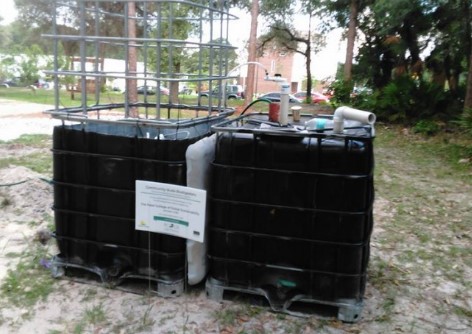
As cities grow, so does the need for sustainable energy solutions. The rise in urban population leads to increased waste generation, higher energy demands, and environmental challenges. One innovative approach that addresses all of these issues is the Solar Cities IBC Biogas System, a compact and effective biogas solution tailored for urban areas. This system captures the energy potential of organic waste and transforms it into biogas, a clean, renewable fuel source that can help cities reduce their carbon footprint while managing waste effectively.
What is the Solar Cities IBC Biogas System?
The Solar Cities IBC (Intermediate Bulk Container) Biogas System is a decentralized, small-scale biogas digester specifically designed for urban use. It utilizes IBC containers, which are large, reusable storage containers, to convert organic waste—such as food scraps and green waste—into biogas. This biogas can be used for cooking, heating, or even generating electricity. The system also produces a nutrient-rich liquid fertilizer as a byproduct, which can be used for urban gardening and landscaping, creating a closed-loop system.
Originally popularized by Solar CITIES Inc., a non-profit organization focused on promoting sustainable biogas systems, the IBC Biogas System has been installed and utilized in various locations around the world. It has proven to be effective, affordable, and accessible, making it an ideal solution for urban households, community centers, schools, and other facilities that want to contribute to sustainability efforts.
Components of the Solar Cities IBC Biogas System
1. IBC Container: A large plastic container, often with a capacity of around 1,000 liters, serves as the main digester where the organic waste is processed. IBC containers are easily sourced, durable, and portable, making them an ideal choice for urban installations.
2. Inlet and Outlet Pipes: Organic waste is fed into the system through an inlet pipe, while the biogas produced rises to the top of the container. The remaining digestate (a liquid fertilizer) exits through an outlet pipe.
3. Gas Storage: The biogas produced is stored in a separate, flexible container or directly piped to the point of use, such as a biogas stove or generator. Some systems use a gas balloon or gas bag to collect and store the gas, ensuring a steady supply.
4. Biogas Burner or Generator: This allows the biogas to be used as fuel for cooking, heating, or electricity generation, depending on the user’s needs.
5. Safety Components: Valves, filters, and pressure regulators are added to ensure the safe storage and distribution of biogas. Biogas analyzers, such as the GASCHEK1000 portable biogas analyzer, use advanced photoelectric sensing principles to detect and analyze methane (CH4), oxygen (O2), carbon dioxide (CO2), hydrogen sulfide (H2S) and other gases, and accurately report , while effectively checking the digestive process.
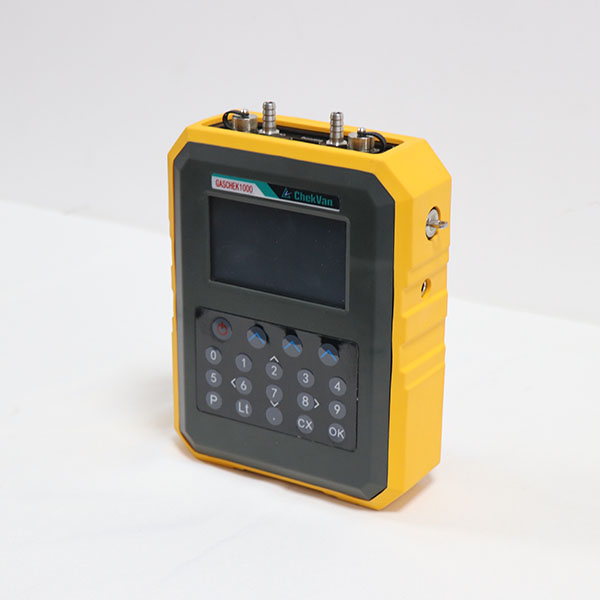
portable biogas analyzer GASCHEK1000
Benefits of the Solar Cities IBC Biogas System for Urban Areas
1. Waste Management Solution
Cities generate a substantial amount of organic waste every day, most of which ends up in landfills, contributing to methane emissions and environmental pollution. The IBC Biogas System provides an effective waste management solution by allowing households, schools, and community centers to process their organic waste on-site. This system can reduce the amount of waste that goes to landfills, helping cities manage waste more sustainably.
2. Renewable Energy Source
Biogas is a clean and renewable source of energy that reduces the need for fossil fuels. By converting organic waste into biogas, the IBC Biogas System provides urban residents with a source of energy that can be used for cooking, heating, or electricity generation. This helps reduce dependence on non-renewable energy sources and promotes energy self-sufficiency in urban areas.
3. Reduction of Greenhouse Gas Emissions
When organic waste decomposes in landfills, it releases methane—a potent greenhouse gas that contributes to climate change. By capturing and using this methane as biogas, the Solar Cities IBC Biogas System helps prevent methane from entering the atmosphere, thus reducing greenhouse gas emissions. This can contribute significantly to a city’s efforts to reduce its carbon footprint.
4. Economic Savings
The IBC Biogas System is affordable, easy to maintain, and requires minimal infrastructure. Once installed, it provides a free source of energy, leading to savings on energy bills for households and community centers. Additionally, the system produces liquid fertilizer as a byproduct, which can replace expensive synthetic fertilizers for urban gardening and landscaping.
5. Educational Tool and Community Engagement
The Solar Cities IBC Biogas System serves as an excellent educational tool, allowing schools and community organizations to demonstrate sustainable practices. The system can be used to teach urban residents about renewable energy, waste management, and environmental stewardship. It also fosters community engagement, as residents work together to reduce waste and create cleaner, greener neighborhoods.
6. Adaptability and Scalability
The IBC Biogas System can be scaled up or down based on the needs of the users. It is small and compact, making it ideal for urban settings with limited space. Multiple units can be installed in close proximity to accommodate larger volumes of waste, making it a flexible solution that can be adapted to different urban environments.
How the Solar Cities IBC Biogas System Works
1. Feeding the Digester: Organic waste, such as kitchen scraps, fruit peels, and garden clippings, is collected and fed into the IBC container. The waste is mixed with water to create a slurry, which facilitates the anaerobic digestion process.
2. Anaerobic Digestion: In the oxygen-free environment of the IBC container, bacteria break down the organic matter, producing biogas as a byproduct. This biogas primarily consists of methane and carbon dioxide.
3. Gas Collection and Storage: The biogas rises to the top of the container and is collected in a gas storage bag or container. From there, it is stored until it is ready to be used.
4. Utilizing the Biogas: The biogas can be used immediately for cooking, heating, or powering a generator. The system is compatible with biogas stoves, water heaters, and other biogas appliances.
5. Harvesting Fertilizer: After the digestion process, the remaining liquid, known as digestate, is rich in nutrients and can be used as an organic fertilizer. This fertilizer is ideal for urban gardening projects, rooftop gardens, and community landscaping.
Conclusion
The Solar Cities IBC Biogas System represents a sustainable, practical solution for urban areas, helping to manage waste, reduce greenhouse gas emissions, and provide a renewable energy source. As cities around the world look for ways to become more sustainable, biogas technology can play a key role in achieving cleaner, greener urban environments. With the right support and public awareness, the Solar Cities IBC Biogas System has the potential to transform waste into wealth, turning our urban spaces into hubs of renewable energy and sustainability.
 Manufacturer of biogas analyzer, landfill gas analyzer and extraction monitor, anaerobic digester gas analyzer