
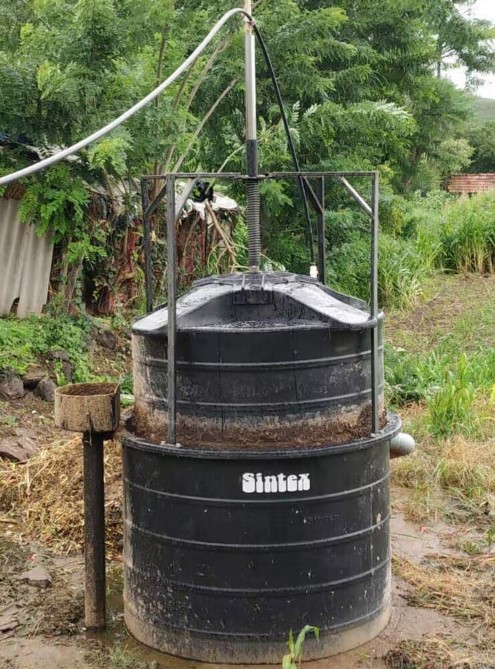
As the demand for clean, renewable energy sources grows, more people are looking to biogas as a viable alternative. Not only is biogas a sustainable option, but it also helps reduce waste and greenhouse gas emissions. Sintex, a leading provider of biogas solutions, has been instrumental in making biogas production accessible and affordable for households, farms, and communities. With their range of biogas plants, Sintex has simplified the process of harnessing biogas from organic waste, offering efficient solutions for everyday energy needs.
What is Sintex Biogas?
Sintex is a well-established brand known for its high-quality plastic and infrastructure solutions. Over the years, they have expanded their product line to include biogas plants that enable users to produce biogas from organic waste. These biogas plants are designed to process waste materials—such as kitchen scraps, cow dung, and agricultural residues—into biogas, a mixture of gases primarily composed of methane, which can be used for cooking, heating, and even electricity generation.
Sintex biogas plants are compact, affordable, and easy to install, making them suitable for households, small farms, and rural communities. By using Sintex biogas solutions, people can transform organic waste into a valuable energy source, promoting a cleaner and greener lifestyle.
How Does a Sintex Biogas Plant Work?
Sintex biogas plants work through a process known as anaerobic digestion. Here’s a step-by-step breakdown of how the system operates:
- 1. Waste Collection: Organic waste, such as food scraps, animal manure, or agricultural residue, is collected and fed into the biogas plant.
- 2. Anaerobic Digestion: Inside the Sintex biogas plant, the waste is broken down by bacteria in an oxygen-free environment. This process produces a combination of gases, primarily methane and carbon dioxide.
- 3. Biogas Production: As the bacteria digest the organic material, they produce biogas, which accumulates within the plant’s chamber.
- 4. Gas Storage and Use: The generated biogas is then stored and can be connected to gas-powered appliances such as stoves or generators. This clean fuel can be used for cooking, heating, or even generating electricity.
- 5. Gas monitoring:Biogas analyzers, such as the GASCHEK1000 portable biogas analyzer, use advanced photoelectric sensing principles to detect and analyze methane (CH4), oxygen (O2), carbon dioxide (CO2), hydrogen sulfide (H2S) and other gases, and accurately report , while effectively checking the digestive process.
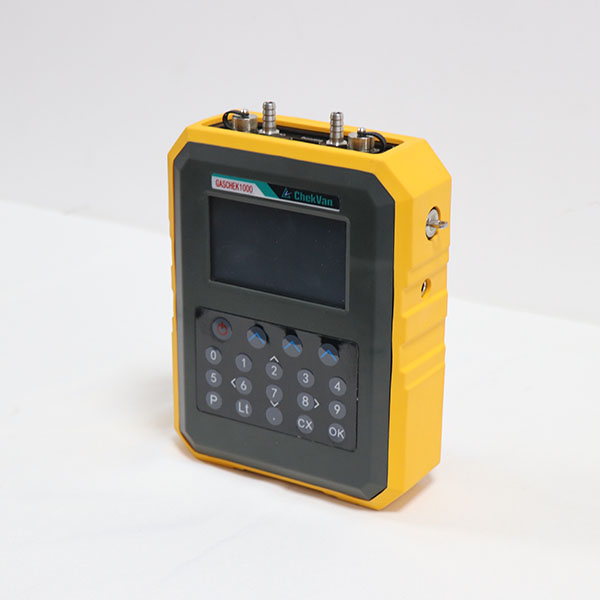
portable biogas analyzer GASCHEK1000
- 6. Byproduct Management: The leftover material, known as digestate, can be used as a nutrient-rich organic fertilizer, which can improve soil health and crop yields.
The Sintex biogas plant design ensures a smooth, continuous process, enabling a consistent supply of biogas while minimizing waste and odor.
Key Benefits of Sintex Biogas Solutions
1. Affordability
One of the biggest advantages of Sintex biogas solutions is their affordability. Traditional biogas plants often require significant capital investment and infrastructure, which can make them inaccessible for many households or small businesses. Sintex has developed a cost-effective solution that makes biogas technology accessible to a wider audience, allowing people in rural and urban areas to produce clean energy from waste without a substantial financial burden.
2. Ease of Installation and Maintenance
Sintex biogas plants are designed with user-friendliness in mind. They come in compact, ready-to-install kits that can be set up with minimal technical expertise. Unlike traditional biogas systems, which can be complex and require professional installation, Sintex plants are easy to set up, making them suitable for both rural and urban households.
Additionally, Sintex biogas plants are low-maintenance, with minimal upkeep required to keep them operational. This reduces the hassle and ongoing costs, making them a practical choice for users who may lack the resources or knowledge to maintain more complex systems.
3. Environmental Benefits
Biogas production is an eco-friendly process that helps reduce greenhouse gas emissions and manage waste. By converting organic waste into biogas, Sintex solutions prevent the release of methane, a potent greenhouse gas, into the atmosphere. Furthermore, the byproduct of the digestion process, digestate, serves as a natural fertilizer that can replace chemical fertilizers, promoting healthier soils and reducing environmental pollution.
4. Energy Independence and Cost Savings
For households and small farms, Sintex biogas solutions provide an opportunity for energy independence. By producing their own biogas, users can reduce their reliance on conventional energy sources, such as electricity or liquefied petroleum gas (LPG). This can lead to significant cost savings over time, particularly in areas where fuel costs are high or where there is limited access to the electrical grid.
5. Versatile Applications
Biogas generated from Sintex plants can be used in multiple ways, making it a versatile energy solution. It can power kitchen stoves, water heaters, and even small electricity generators. This versatility allows users to integrate biogas into various aspects of daily life, providing an eco-friendly alternative to traditional fuel sources for cooking, heating, and electricity generation.
6. Promotes Circular Economy
By turning waste into energy, Sintex biogas solutions promote a circular economy where resources are reused rather than discarded. Organic waste that would typically be thrown away is transformed into both energy and fertilizer, creating a sustainable cycle that benefits the user and the environment.
Ideal Use Cases for Sintex Biogas Solutions
1. Households in Rural Areas
Rural households, particularly those with access to organic waste such as food scraps and animal manure, can benefit immensely from Sintex biogas plants. For many rural families, the cost of LPG or other conventional fuels can be prohibitive, and biogas offers a low-cost, renewable alternative for cooking and heating.
2. Small Farms
Small-scale farms that generate a considerable amount of organic waste can use Sintex biogas plants to convert waste into energy. This can reduce the farm’s operating costs and provide an eco-friendly way to manage manure and crop residues.
3. Community-Based Projects
In areas where access to the electrical grid is limited, community-based biogas projects can offer a sustainable energy solution. Multiple households can contribute organic waste to a communal Sintex biogas plant, which then provides biogas for communal cooking or lighting.
4. Educational Institutions and NGOs
Schools, universities, and NGOs that promote sustainability can use Sintex biogas plants as a practical educational tool. By demonstrating how waste can be turned into renewable energy, these institutions can educate communities about the benefits of sustainable living and environmental stewardship.
Conclusion
As the global demand for renewable energy continues to grow, solutions like Sintex biogas plants are leading the way toward a cleaner, greener future. Whether you’re a household seeking to reduce energy costs, a small farm looking to manage waste sustainably, or a community aiming to increase energy independence, Sintex offers a practical, eco-friendly solution that makes sustainable energy accessible for all.
 Manufacturer of biogas analyzer, landfill gas analyzer and extraction monitor, anaerobic digester gas analyzer