

Biogas, a renewable energy source produced through the anaerobic digestion of organic matter, has gained considerable attention as a sustainable alternative to conventional fossil fuels. It is used for electricity generation, heating, and even as a vehicle fuel. One key question that arises when considering biogas as an energy source is: How much does biogas cost per kWh?
Understanding the cost structure of biogas is essential for businesses, governments, and individuals who are evaluating its potential as a clean energy option. In this article, we will break down the various factors that influence the cost of biogas per kWh and provide insights into what you can expect when adopting this technology.
1. The Biogas Production Process
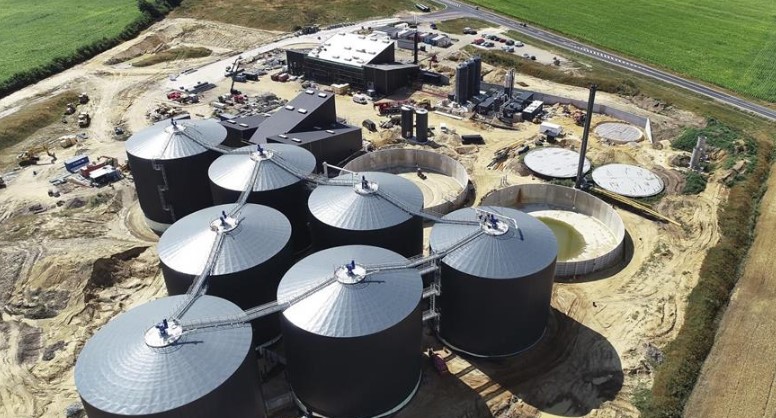
Before we dive into cost analysis, let’s first understand how biogas is produced. Biogas is generated through the anaerobic digestion of organic materials like food waste, agricultural residues, manure, or even municipal solid waste. This process happens in the absence of oxygen, where bacteria break down the organic material, releasing methane (CH4), carbon dioxide (CO2), and other gases.
The biogas can be processed and used as fuel in gas engines, turbines, or boilers to produce electricity and heat. The efficiency and cost of these processes are directly influenced by factors such as the feedstock used, the size of the biogas plant, and the technology employed.
2. Factors Affecting the Cost of Biogas per kWh
a. Feedstock Availability and Cost
The type of organic waste used to produce biogas plays a crucial role in determining production costs. For instance:
Agricultural waste or manure might be cheaper if sourced locally, especially in rural areas.
Municipal solid waste or food waste may incur higher collection, transportation, and processing costs.
Energy crops (such as maize or switchgrass) require land, water, and other resources, which can increase the cost of biogas production.
Sourcing feedstock sustainably can help reduce costs, but these factors often depend on local availability.
b. Plant Size and Efficiency
Larger biogas plants typically benefit from economies of scale, reducing the cost per kWh. The size and design of the biogas plant also determine its efficiency in converting organic matter into biogas. A more efficient plant requires less input to produce the same amount of energy, thus lowering the cost per kWh.
c. Capital Investment and Financing
Setting up a biogas plant involves significant upfront capital, including purchasing equipment (e.g., digesters, engines, gas cleaning systems), construction, and installation. The cost of capital investment can be amortized over time, but it remains a critical factor in determining the overall cost of biogas.
d. Operational and Maintenance Costs
Biogas plants require ongoing operational management, including staffing, monitoring systems, and routine maintenance of equipment. The operational costs per kWh will depend on the complexity of the plant and its operational lifespan.
e. Energy Conversion Efficiency
The technology used to convert biogas into electricity affects the cost per kWh. Biogas engines and turbines have different efficiencies and operational costs. Combined Heat and Power (CHP) systems, which generate both electricity and heat from biogas, are commonly used to improve overall energy efficiency.
f. Grid Access and Infrastructure
In some regions, the cost of connecting a biogas plant to the grid can be a significant factor. Costs include grid connection fees, transmission charges, and infrastructure maintenance. A biogas plant located near existing infrastructure may have lower grid access costs than one in a remote area.
3. Cost Comparison: Biogas vs. Other Energy Sources
- Biogas: The cost of biogas electricity typically ranges from $0.05 to $0.15 per kWh, depending on location, feedstock, and plant size.
- Solar Energy: The cost of solar power has dropped significantly in recent years, with prices ranging from $0.02 to $0.06 per kWh in regions with abundant sunlight.
- Wind Energy: Onshore wind power costs range from $0.03 to $0.07 per kWh, while offshore wind can be more expensive.
- Natural Gas: The cost of electricity from natural gas plants typically ranges from $0.03 to $0.07 per kWh, depending on fuel prices and efficiency.
Although biogas can be more expensive than some renewable energy sources like solar or wind, it offers the advantage of being a dispatchable power source, meaning it can produce electricity on-demand, 24/7. This makes biogas a valuable complement to intermittent energy sources like solar and wind.
4. Government Incentives and Subsidies
In many countries, government incentives, subsidies, and policies aimed at reducing carbon emissions or promoting renewable energy can significantly reduce the cost of biogas production. These can include:
Feed-in tariffs that guarantee a fixed price for electricity generated from biogas.
Tax credits or grants for renewable energy projects.
Carbon credits or other market-based mechanisms that help offset operational costs.
For example, in countries like Germany, the UK, and the US, biogas plants have benefited from these incentives, making biogas more competitive with fossil fuels.
5. Future Trends in Biogas Costs
The cost of biogas is expected to decrease in the coming years due to advancements in technology and increased economies of scale. Several trends could drive this reduction:
Improved biogas production technologies: Advances in anaerobic digestion and biogas upgrading will increase production efficiency, reducing operational costs.
Wider use of waste streams: As more organic waste is diverted from landfills and used for biogas production, feedstock costs may decline.
Grid integration: As smart grid technology improves, the integration of biogas into national grids could become more efficient, reducing costs associated with distribution.
6. Conclusion
The cost of biogas per kWh depends on a range of factors, including feedstock costs, plant efficiency, technology used, and government incentives. While biogas is generally more expensive than some renewable energy sources like solar and wind, it offers valuable benefits such as reliability and flexibility, making it an attractive option for baseload and off-grid power generation.
For those looking to invest in or adopt biogas technology, understanding the total cost of ownership and the potential for long-term savings is crucial. As technology improves and more incentives become available, biogas may become an even more competitive energy option in the future.
In summary, while biogas may not yet be the cheapest source of energy, it plays a vital role in the renewable energy mix and offers an eco-friendly alternative that helps address waste disposal issues while generating clean, reliable power.
 Manufacturer of biogas analyzer, landfill gas analyzer and extraction monitor, anaerobic digester gas analyzer