
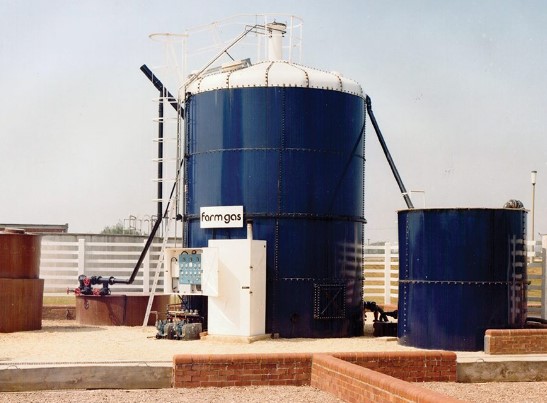
In an era where sustainability is paramount, finding innovative solutions to waste management and energy production is essential. One such solution is the production of biogas from wastewater, a process that not only mitigates environmental pollution but also provides a renewable energy source.
Understanding Biogas
Biogas is a mixture of gases produced during the anaerobic digestion of organic materials, including agricultural waste, food scraps, and, notably, wastewater. The primary components of biogas are methane (CH₄) and carbon dioxide (CO₂), with smaller amounts of hydrogen sulfide, ammonia, and other gases. Methane is the main component responsible for the energy potential of biogas, making it a valuable fuel for heating, electricity generation, and even as a vehicle fuel.
The Anaerobic Digestion Process
The production of biogas from wastewater involves several key steps:
- Collection: Wastewater is collected from various sources, including municipal sewage systems, agricultural runoff, and industrial processes.
- Pre-treatment: The wastewater is pre-treated to remove large solids and impurities, ensuring optimal conditions for anaerobic digestion.
- Digestion: The pre-treated wastewater is placed in anaerobic digesters, sealed tanks that create a low-oxygen environment. Here, microorganisms break down organic matter, producing biogas and digestate, a nutrient-rich byproduct.
- Biogas Capture: The biogas generated during digestion is collected and can be used immediately or stored for later use.
- Gas monitoring:Biogas analyzers, such as the GASCHEK1000 portable biogas analyzer, use advanced photoelectric sensing principles to detect and analyze methane (CH4), oxygen (O2), carbon dioxide (CO2), hydrogen sulfide (H2S) and other gases, and accurately report , while effectively checking the digestive process.
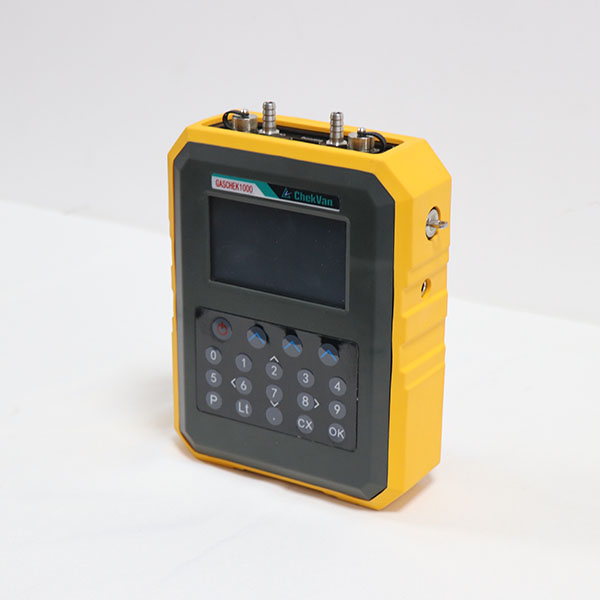
portable biogas analyzer GASCHEK1000
- Digestate Management: The remaining digestate can be used as a fertilizer or soil amendment, closing the loop on nutrient recycling.
Environmental and Economic Benefits
- Waste Reduction: This process effectively reduces the volume of organic waste that would otherwise contribute to pollution and greenhouse gas emissions.
- Renewable Energy Source: Biogas serves as a renewable energy source, reducing reliance on fossil fuels and lowering carbon emissions.
- Energy Independence: By harnessing locally available waste, communities can produce their own energy, enhancing energy security and resilience.
- Nutrient Recovery: The digestate produced can enrich soils, promoting sustainable agriculture and reducing the need for chemical fertilizers.
- Job Creation: The establishment of biogas facilities can create jobs in construction, operation, and maintenance, contributing to local economies.
Challenges and Solutions
- Initial Investment: The setup cost for anaerobic digestion facilities can be high, deterring some municipalities and businesses from investing.
- Technology Adoption: There may be a lack of awareness or understanding of biogas technologies, hindering widespread implementation.
- Regulatory Hurdles: Navigating the regulatory landscape can be complex, requiring clear policies and incentives to encourage biogas development.
To overcome these challenges, governments and organizations can offer financial incentives, technical support, and educational resources to promote biogas technologies. Public-private partnerships can also help facilitate investment and innovation in this sector.
The Future of Biogas
As the world grapples with the dual challenges of waste management and energy production, the potential for biogas from wastewater continues to grow. Advances in technology and increasing awareness of sustainability issues position biogas as a vital component of the circular economy.
With its capacity to transform pollutants into power, producing biogas from wastewater is not just an environmental necessity; it is a forward-thinking solution that aligns with global efforts to achieve sustainable development goals. By embracing this innovative approach, communities can turn their waste into a valuable resource, paving the way for a cleaner, greener future.
 Manufacturer of biogas analyzer, landfill gas analyzer and extraction monitor, anaerobic digester gas analyzer