
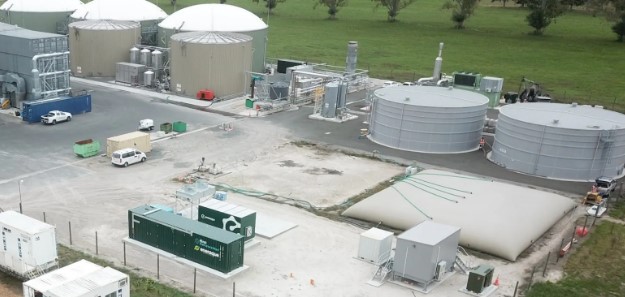
As the world shifts toward greener energy solutions, biogas treatment plants are becoming a crucial component in reducing waste, lowering carbon emissions, and providing sustainable energy. These facilities convert organic waste into biogas, a renewable energy source that can be used for electricity, heating, and transportation fuel. However, before biogas can be efficiently utilized, it must undergo treatment to remove impurities and enhance its quality.
The Role of Biogas in Clean Energy
Biogas is produced from the breakdown of organic materials such as agricultural waste, food scraps, sewage, and animal manure through a process called anaerobic digestion. This process occurs in oxygen-free environments, producing a mixture of methane (CH₄), carbon dioxide (CO₂), and trace gases.
The methane content in raw biogas typically ranges from 50% to 70%, but raw biogas also contains contaminants such as carbon dioxide, hydrogen sulfide (H₂S), water vapor, and particulates, which need to be removed for the gas to be used efficiently.
Biogas treatment plants play a vital role in purifying and upgrading biogas, transforming it into a cleaner fuel—often referred to as biomethane—which has similar properties to natural gas. Once upgraded, biomethane can be injected into natural gas grids or used as compressed natural gas (CNG) for vehicles.
The Biogas Treatment Process
1. Desulfurization
One of the primary contaminants in raw biogas is hydrogen sulfide (H₂S), which is highly corrosive and can damage equipment. Removing H₂S is critical to avoid corrosion in gas pipelines and engines.
– Chemical scrubbing: This method uses chemical solutions, such as caustic soda, to absorb hydrogen sulfide.
– Biological treatment: In some systems, bacteria are used to oxidize hydrogen sulfide into sulfur, making the process more environmentally friendly.
2. Dehydration
Raw biogas contains water vapor, which can cause condensation in pipelines and lead to blockages or corrosion. To remove water vapor, biogas undergoes cooling and condensation in the treatment plant. Drying agents like silica gel or glycol can also be used to absorb moisture.
3. Carbon Dioxide Removal
Carbon dioxide (CO₂) does not contribute to the energy content of biogas, and its removal is essential to increase the calorific value of the gas. There are several methods used to remove CO₂:
- Pressure Swing Adsorption (PSA): This process uses a material that adsorbs carbon dioxide under high pressure and releases it under low pressure.
- Membrane separation: In this method, biogas is passed through membranes that selectively allow CO₂ to pass through while retaining methane.
- Water scrubbing: Biogas is passed through a water column, where CO₂ is dissolved and separated from the methane.
4. Biogas Upgrading
After removing H₂S, water, and CO₂, the treated gas is upgraded to biomethane. This high-quality fuel can then be used for various applications such as:
– Injecting into natural gas grids: Biomethane can be used in homes, industries, and power plants, providing a renewable alternative to fossil-based natural gas.
– Vehicle fuel: Upgraded biomethane can be compressed to produce CNG, which is widely used as a cleaner fuel for buses, trucks, and other vehicles.
5. Odorization
Once purified, biomethane is often odorized for safety reasons. An odorant, such as mercaptan, is added to ensure that gas leaks can be detected easily.
Environmental and Economic Benefits of Biogas Treatment Plants
1. Reducing Greenhouse Gas Emissions
Biogas treatment plants play a key role in addressing climate change by reducing methane emissions. Methane is a powerful greenhouse gas, with 25 times the global warming potential of CO₂ over a 100-year period. By capturing and utilizing methane from organic waste, biogas treatment plants prevent its release into the atmosphere and reduce the overall carbon footprint.
2. Sustainable Waste Management
Biogas treatment plants also help manage waste more sustainably by diverting organic waste from landfills, where it would otherwise decompose and release methane without capture. By processing agricultural residues, food waste, and sewage sludge, these plants promote a circular economy where waste is transformed into valuable resources.
3. Energy Independence
By producing renewable energy in the form of biomethane, biogas treatment plants can reduce dependence on fossil fuels and enhance energy security. Local production of biomethane reduces the need for imported natural gas and promotes energy decentralization, where communities generate their own energy locally.
4. Economic Opportunities
The development of biogas treatment plants creates new jobs in construction, operation, and maintenance. Additionally, biogas production generates income for farmers, waste management companies, and local authorities by offering an alternative use for organic waste streams. Governments and businesses are increasingly seeing the economic potential of biogas as an important player in the green economy.
Conclusion
Biogas treatment plants are an essential step in the journey toward a cleaner, more sustainable energy future. By converting organic waste into high-quality biomethane, these facilities provide a renewable energy source that reduces greenhouse gas emissions, supports waste management, and promotes energy independence.
With the right investments and policies, biogas treatment plants will continue to grow in importance, helping countries around the world achieve their renewable energy targets and build a low-carbon economy.
 Manufacturer of biogas analyzer, landfill gas analyzer and extraction monitor, anaerobic digester gas analyzer