

As the global demand for sustainable energy solutions intensifies, companies like Veolia are leading the charge in transforming the energy landscape through innovative biogas solutions. By converting organic waste into clean, renewable energy, Veolia Biogas is not only reducing carbon emissions but also paving the way for a circular economy where waste is minimized, and resources are maximized.
Veolia’s Role in Renewable Energy
Veolia is a global leader in environmental services, with a strong focus on waste management, water treatment, and energy recovery. Through its biogas projects, Veolia is addressing two critical environmental issues: organic waste disposal and sustainable energy production. By harnessing biogas technology, Veolia converts organic waste — including food waste, agricultural residues, and sewage sludge — into biogas, which can be used as a source of heat, electricity, and vehicle fuel.
Veolia’s biogas projects are spread across various sectors, including municipal waste treatment plants, agricultural facilities, and industrial operations, where biogas generation has been integrated into existing waste management systems.
How Veolia Biogas Works
Veolia’s biogas solutions are based on anaerobic digestion, a process in which organic waste is broken down by bacteria in an oxygen-free environment, producing biogas (a mixture of methane and carbon dioxide) and digestate (a nutrient-rich fertilizer). The biogas produced can then be purified and upgraded to biomethane, which has similar properties to natural gas.
Key Steps in Veolia’s Biogas Process:
1. Waste Collection and Pre-treatment: Organic waste is collected from homes, businesses, farms, and industries. The waste is then pre-treated to remove contaminants and optimize its composition for anaerobic digestion.
2. Anaerobic Digestion: In large digesters, bacteria break down the organic material in an oxygen-free environment, generating biogas. The biogas typically contains 50-70% methane, the main component of natural gas, along with carbon dioxide and trace gases.
3. Monitoring equipment: Biogas analyzer, which uses advanced photoelectric sensing principles to detect methane (CH4), oxygen (O2), carbon dioxide (CO2), hydrogen sulfide (H2S), etc. For example, the OLGA2000 biogas online monitoring system can be widely used in gas monitoring in landfill biogas power plants, petrochemical industries, coal mines and other scenarios, and can achieve remote data transmission.
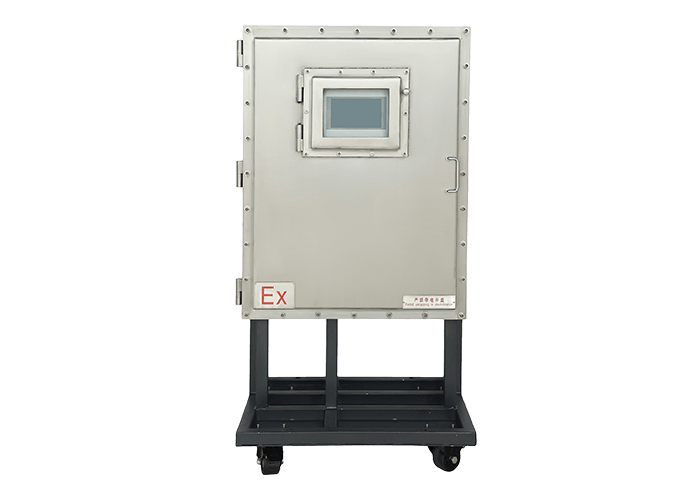
biogas online monitoring system OLGA2000
4. Biogas Upgrading: Raw biogas is purified through a process known as biogas upgrading. This involves removing impurities like carbon dioxide, hydrogen sulfide, and moisture to produce biomethane, a cleaner, high-quality fuel that can be injected into the natural gas grid or used as compressed natural gas (CNG) for vehicles.
5. Energy Utilization: The biomethane produced can be used in several applications:
- Electricity generation: Biogas can be burned in cogeneration units to produce both heat and electricity, making it a valuable energy source for decentralized power generation.
- Vehicle fuel: Biomethane can be compressed to CNG standards and used as a renewable, low-emission fuel for vehicles, reducing reliance on fossil fuels in the transportation sector.
- Heat production: Biogas can be burned to generate heat, which can be used for industrial processes, district heating systems, or residential heating.
6. Digestate Recycling: The solid and liquid byproducts of anaerobic digestion, known as digestate, can be used as an organic fertilizer. This closes the loop in the circular economy, returning valuable nutrients to the soil and reducing the need for chemical fertilizers.
The Environmental Impact of Veolia Biogas
Veolia’s biogas projects have a significant positive impact on the environment. By converting organic waste into renewable energy, Veolia is helping to reduce greenhouse gas emissions, promote sustainable waste management, and support the transition to a low-carbon economy.
1. Reduction in Carbon Emissions
One of the major benefits of biogas production is the reduction in methane emissions. Methane is a potent greenhouse gas, about 25 times more effective at trapping heat in the atmosphere than carbon dioxide. By capturing methane from organic waste and using it as a fuel source, Veolia helps to mitigate its release into the atmosphere, thus contributing to climate change mitigation.
Additionally, using biogas to replace fossil fuels in electricity generation and transportation reduces the carbon footprint of these sectors, helping countries meet their climate goals under the Paris Agreement.
2. Sustainable Waste Management
Biogas production allows Veolia to divert organic waste from landfills, where it would otherwise decompose and release methane and other harmful gases into the atmosphere. Instead, this waste is converted into valuable energy, reducing the strain on landfill sites and preventing pollution.
By using biogas as a fuel, Veolia also reduces the reliance on fossil-based natural gas, making the energy supply more sustainable and resilient.
3. Circular Economy Promotion
Veolia’s biogas projects are a prime example of how the circular economy works in practice. Organic waste, which is typically discarded, is transformed into useful products like energy and fertilizer. The byproduct of biogas production, digestate, can be applied to agricultural land to enrich the soil and enhance crop growth, further reducing waste and closing the loop in the food production chain.
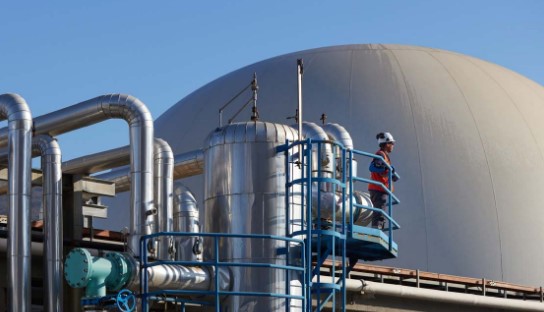
Veolia Biogas Projects: Global Impact
Veolia’s biogas initiatives span across many countries, delivering tangible environmental and economic benefits. Some of Veolia’s notable biogas projects include:
1. Lille, France
In Lille, Veolia operates a biogas plant that processes household waste from the city’s residents. The plant produces biogas, which is upgraded to biomethane and injected into the local gas grid. The biomethane is also used to power buses, reducing the city’s carbon emissions and providing a sustainable public transportation option.
2. United Kingdom
In the UK, Veolia has partnered with local authorities to develop biogas plants that process food waste and sewage sludge. The biogas produced from these facilities is used to generate electricity and heat, which is then fed into the national grid or used to power nearby industrial facilities.
3. Sustainable Agriculture Projects
Veolia has also implemented biogas projects in agricultural regions, where large quantities of animal manure and crop residues are processed in anaerobic digesters to produce renewable energy. These projects not only provide a clean energy source but also help farmers manage waste and produce organic fertilizer.
Conclusion
Veolia Biogas is at the forefront of the renewable energy revolution, offering innovative solutions that transform organic waste into clean, green energy. By converting waste into biogas, Veolia not only reduces greenhouse gas emissions but also promotes sustainable waste management and resource efficiency. As biogas technology advances, Veolia’s biogas projects will continue to play a critical role in creating a cleaner, greener, and more sustainable future for all.
 Manufacturer of biogas analyzer, landfill gas analyzer and extraction monitor, anaerobic digester gas analyzer