
As the world pivots toward cleaner energy solutions to mitigate climate change and reduce dependence on fossil fuels, gobar gas (also known as biogas derived from cow dung) has emerged as a sustainable, eco-friendly alternative. Particularly prevalent in rural communities, gobar gas is gaining recognition for its capacity to meet basic energy needs—such as cooking and heating—while also reducing waste and minimizing greenhouse gas emissions.
This article delves into the uses of gobar gas, its benefits, and its potential to revolutionize energy consumption for millions of households around the world.
What is Gobar Gas?
Gobar gas is a type of biogas produced through the anaerobic digestion of organic waste, most commonly cow dung (also called gobar in Hindi). This process involves the breakdown of cow manure in a controlled, oxygen-free environment, resulting in a gas mixture primarily composed of methane (CH₄) and carbon dioxide (CO₂), along with trace amounts of other gases. During the biogas production process, a biogas analyzer is needed to monitor the composition of the biogas. For example, the OLGA2000 biogas online monitoring system uses advanced photoelectric sensing principles to detect and analyze methane (CH4), oxygen (O2), carbon dioxide (CO2), hydrogen sulfide (H2S) and other gases.

The methane in gobar gas makes it an effective source of energy. When purified, biogas can be used for cooking, heating, and even electricity generation. The residue left after biogas production, known as digestate, can be used as a high-quality organic fertilizer.
Everyday Uses of Gobar Gas
1. Cooking Fuel
One of the primary uses of gobar gas is as a cooking fuel, particularly in rural households. Biogas stoves work similarly to conventional gas stoves but run on gobar gas instead of liquefied petroleum gas (LPG) or natural gas. This clean, renewable fuel provides a smokeless cooking experience, reducing indoor air pollution, which is a common health hazard in many developing countries where traditional wood or charcoal is used for cooking.
Benefits:
- Eliminates the need for firewood, reducing deforestation.
- Provides a consistent, smokeless flame, improving health by reducing respiratory issues caused by smoke inhalation.
- Saves time for households, especially women, who would otherwise spend hours collecting firewood.
2. Heating and Hot Water
Gobar gas can also be used for space heating and water heating in rural and semi-urban homes. Biogas burners or heating units can provide heat for small homes, and biogas-powered water heaters offer a sustainable solution for hot water needs in colder regions. These uses are especially practical in communities without access to modern heating systems or electricity.
Benefits:
- Provides an affordable and sustainable heating solution in off-grid areas.
- Reduces dependence on fossil fuels or biomass for heating.
3. Electricity Generation
When produced in larger quantities, gobar gas can also be used to generate electricity. Biogas generators convert methane into electricity, which can power household appliances, lights, and other electronic devices. In some rural communities, small biogas plants are set up to provide communal electricity, offering a decentralized power solution in areas where access to the national grid is limited or nonexistent.
Benefits:
- Reduces reliance on fossil fuel-based electricity generation.
- Offers a decentralized, renewable energy source for off-grid areas.
4. Agricultural Applications
In farming communities, gobar gas can also be used to power equipment such as water pumps, tractors, and other machinery. This can significantly reduce the operational costs associated with agriculture by eliminating the need for expensive and often polluting fossil fuels.
Benefits:
- Promotes sustainable farming by integrating waste recycling with energy production.
- Lowers fuel costs for farmers, enhancing productivity.
5. Organic Fertilizer
The byproduct of gobar gas production, digestate, is a rich organic fertilizer. This nutrient-packed material can be used to enhance soil fertility, improve crop yields, and reduce the need for chemical fertilizers. By recycling waste into a valuable resource, farmers can create a closed-loop system that promotes environmental sustainability.
Benefits:
- Improves soil health and increases agricultural productivity.
- Reduces the environmental impact of synthetic fertilizers, which contribute to soil degradation and water pollution.
Environmental and Economic Benefits of Gobar Gas
1. Waste Management
Gobar gas systems provide an efficient solution to manage animal waste, which, if left untreated, can contribute to environmental pollution, such as methane emissions and water contamination. By converting cow dung into biogas, farmers can effectively manage waste and reduce methane emissions —a potent greenhouse gas that is many times more harmful than carbon dioxide in terms of global warming potential.
2. Reduced Deforestation
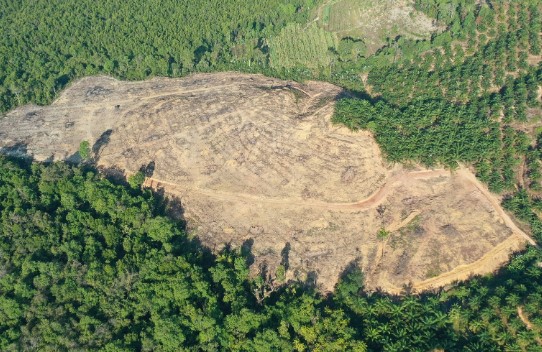
In many rural regions, firewood is the primary source of fuel for cooking and heating, leading to widespread deforestation and habitat destruction. The use of gobar gas as a clean cooking fuel helps reduce the demand for firewood, thus contributing to forest conservation efforts.
3. Health Benefits
Traditional cooking methods that rely on firewood, coal, or kerosene produce harmful smoke, leading to respiratory problems, particularly in women and children. The clean combustion of gobar gas eliminates smoke production, improving indoor air quality and reducing the health risks associated with air pollution.
4. Economic Savings
Gobar gas systems can save households money by replacing the need for purchasing firewood, coal, or LPG. Moreover, the digestate byproduct can be used as an organic fertilizer, reducing the need to buy costly synthetic fertilizers. In areas where electricity or modern fuel sources are scarce, gobar gas also provides a reliable, low-cost energy solution.
5. Empowerment of Rural Communities
The use of gobar gas can have a transformative impact on rural communities. By reducing dependence on traditional fuels and offering an affordable energy source, biogas systems can empower households to become more self-sufficient. In some cases, excess gas or electricity generated from gobar gas systems can be sold to local grids or markets, providing an additional source of income for farmers.
Conclusion
The use of gobar gas as a clean fuel for everyday needs has the potential to transform the lives of millions of people, especially in rural areas. From providing a reliable source of cooking fuel to generating electricity and powering farm equipment, gobar gas represents a practical, eco-friendly solution to meet the energy needs of households and communities.
As the world shifts toward sustainable energy solutions, the adoption of biogas technology—particularly gobar gas—will play a crucial role in reducing greenhouse gas emissions, improving waste management, and empowering rural communities to become energy self-sufficient. By investing in biogas infrastructure and overcoming existing challenges, we can create a cleaner, healthier, and more sustainable future for all.
 Manufacturer of biogas analyzer, landfill gas analyzer and extraction monitor, anaerobic digester gas analyzer