
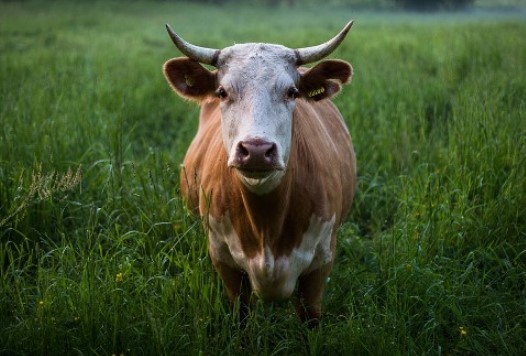
As the world grapples with the effects of climate change and the need for renewable energy sources, one sustainable solution is closer than many might think—cow dung. Long regarded as a waste product, cow dung has become a valuable resource in the production of biogas.
What is Biogas?
Biogas is a renewable energy source created through the breakdown of organic matter—such as agricultural waste, animal manure, and food scraps—by anaerobic bacteria. The process, known as anaerobic digestion, occurs in an oxygen-free environment. The main components of biogas are methane (CH4), carbon dioxide (CO2), and trace amounts of other gases.
The methane in biogas makes it highly combustible, making biogas a valuable source of energy for cooking, heating, and electricity generation. One of the primary feedstocks for biogas production, particularly in rural areas, is cow dung, which is abundant in many parts of the world.
How Does Cow Dung Produce Gas?
Cow dung is rich in organic material and contains a high percentage of microorganisms necessary for anaerobic digestion. When cow dung is mixed with water and placed in an anaerobic digester (a sealed, oxygen-free tank), the organic matter in the dung is broken down by bacteria. The result is the production of methane, which can be captured, stored, and used as an energy source.
Here’s how the process works in more detail:
- 1. Collection and Mixing: Fresh cow dung is collected and mixed with water to form a slurry.
- 2. Feeding the Digester: The slurry is fed into the anaerobic digester, where bacteria break down the organic material in the dung.
- 3. Methane Production: Over time, the bacteria convert the organic material into biogas, primarily composed of methane and carbon dioxide.
- 4. Gas Collection: The biogas is collected at the top of the digester and stored in tanks.
- 5. Gas monitoring: Biogas analyzers, such as the GASCHEK1000 portable biogas analyzer, use advanced photoelectric sensing principles to detect and analyze methane (CH4), oxygen (O2), carbon dioxide (CO2), hydrogen sulfide (H2S) and other gases, and accurately report , while effectively checking the digestive process.

portable biogas analyzer GASCHEK1000
- 6. Usage: The captured methane can be used for cooking, heating, or generating electricity. Additionally, the remaining slurry, called digestate, is an excellent organic fertilizer for crops.
Advantages of Cow Dung Biogas Production
1. Renewable Energy Source:
Cow dung biogas is a renewable source of energy, which means that as long as there is livestock, cow dung will continue to be produced. It provides a continuous supply of energy that is sustainable and reduces dependency on fossil fuels such as coal, oil, and natural gas.
2. Waste Management:
Instead of allowing cow dung to accumulate and potentially release methane into the atmosphere, anaerobic digestion captures the methane for energy use. This helps mitigate the environmental impact of livestock farming by reducing greenhouse gas emissions and preventing groundwater contamination.
3. Economic Benefits for Farmers:
Rural farmers who utilize cow dung for biogas production can save money by using the biogas for their own cooking and heating needs instead of purchasing expensive fossil fuels. Additionally, excess biogas can be sold to local communities, providing an additional source of income.
4. Reduction in Deforestation:
In many rural areas, wood is the primary fuel for cooking and heating. The use of cow dung biogas helps reduce the demand for firewood, thereby decreasing deforestation rates and preserving forests.
5. Fertilizer Production:
The byproduct of anaerobic digestion, known as digestate, is a nutrient-rich organic fertilizer that can be applied to crops. This not only reduces the need for chemical fertilizers but also helps improve soil fertility and crop yields.
6. Health Benefits:
Using biogas from cow dung for cooking and heating significantly reduces indoor air pollution, a major health issue in households that rely on traditional biomass such as wood or coal. Cleaner air reduces respiratory problems and improves overall health, particularly for women and children who spend more time indoors.
The Global Impact of Cow Dung Biogas
Cow dung biogas production has the potential to transform energy systems in rural and agricultural communities worldwide. In countries such as India, China, and Kenya, small-scale biogas plants powered by cow dung have already proven to be a reliable source of renewable energy. The implementation of biogas technology in these regions not only provides energy security but also empowers farmers and rural households to contribute to sustainable energy practices.
As the world moves towards greener energy alternatives, biogas production from cow dung presents a scalable, sustainable solution to many of the challenges faced in energy, waste management, and environmental conservation.
 Manufacturer of biogas analyzer, landfill gas analyzer and extraction monitor, anaerobic digester gas analyzer