
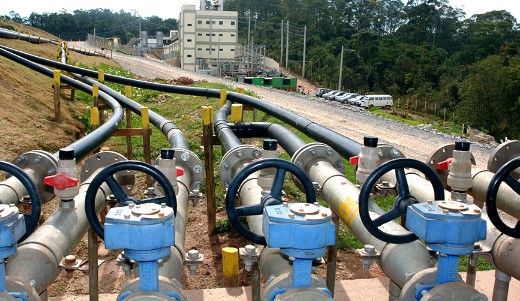
In the face of growing environmental challenges, including the pressing need for sustainable waste management and clean energy production, anaerobic digestion (AD) of organic materials has emerged as a powerful solution. This natural process not only helps in managing waste efficiently but also generates renewable energy in the form of biogas, turning organic waste into a valuable resource.
What is Anaerobic Digestion?
Anaerobic digestion is a biological process in which microorganisms break down organic matter—such as food scraps, animal manure, agricultural residues, and sewage sludge—in an oxygen-free environment. This process occurs within a sealed, airtight tank known as an anaerobic digester, which creates the ideal conditions for the bacteria to thrive and decompose the waste. The end products of anaerobic digestion are biogas, a mixture of methane (CH₄) and carbon dioxide (CO₂), and a nutrient-rich digestate that can be used as an organic fertilizer.
How Anaerobic Digestion Works
1. Hydrolysis:
In the first stage, complex organic materials such as carbohydrates, fats, and proteins are broken down into simpler molecules like sugars, amino acids, and fatty acids by hydrolytic bacteria. Hydrolysis is essential as it makes the organic material accessible to the microorganisms involved in subsequent stages.
2. Acidogenesis:
During acidogenesis, the simple molecules produced in hydrolysis are further broken down by acidogenic bacteria into volatile fatty acids, alcohols, hydrogen, and carbon dioxide. This stage produces intermediate compounds that set the foundation for biogas production.
3. Acetogenesis:
Acetogenic bacteria convert the volatile fatty acids and alcohols into acetic acid, hydrogen, and carbon dioxide. This step is crucial as it prepares the substrates for the final stage of methane production.
4. Methanogenesis:
In the final stage, methanogenic archaea convert the acetic acid, hydrogen, and carbon dioxide into methane and water. Methanogenesis is responsible for generating the biogas, which contains approximately 50-75% methane, a potent energy source that can be used for various applications.
Benefits of Anaerobic Digestion
- 1. Renewable Energy Production: Anaerobic digestion converts organic waste into biogas, a renewable energy source that can be used for electricity generation, heating, cooking, and as a fuel for vehicles. This helps reduce reliance on fossil fuels, cutting down carbon emissions and promoting energy security.
- 2. Effective Waste Management: AD offers an efficient way to manage organic waste, diverting it from landfills and reducing the environmental impact of waste disposal. By breaking down organic matter, AD mitigates the production of harmful leachates and odors typically associated with traditional waste management practices.
- 3. Reduction of Greenhouse Gas Emissions: The capture and use of methane from anaerobic digestion prevent its release into the atmosphere, where it would act as a potent greenhouse gas. This not only lowers the overall carbon footprint of waste management but also contributes to global climate goals.
- 4. Production of Organic Fertilizer: The digestate left over from the digestion process is rich in nutrients such as nitrogen, phosphorus, and potassium, making it an excellent organic fertilizer. This byproduct supports sustainable agriculture by enriching the soil and reducing the need for chemical fertilizers.
- 5. Odor Control and Pathogen Reduction: Anaerobic digestion significantly reduces the odors and pathogens present in organic waste. This makes the process particularly beneficial for managing animal manure and sewage sludge, creating safer and more pleasant conditions for waste handling.
- 6. Supports Circular Economy: By converting waste into energy and fertilizer, AD closes the loop of resource use, embodying the principles of a circular economy. This approach promotes sustainable resource management, reduces waste, and creates value from materials that would otherwise be discarded.
Applications of Anaerobic Digestion
1. Agricultural Waste Management:
Farms can use anaerobic digestion to manage livestock manure and crop residues, turning waste into biogas for on-site energy needs. This application not only generates renewable energy but also helps farmers reduce waste disposal costs and improve their environmental footprint.
2. Municipal Waste Treatment:
Anaerobic digestion is widely used in municipal wastewater treatment plants to process sewage sludge. By digesting the sludge, facilities can produce biogas to power plant operations, lowering energy costs and reducing greenhouse gas emissions.
3. Food Waste Processing:
Food waste from households, restaurants, and food processing industries can be diverted to anaerobic digesters instead of landfills. This approach reduces methane emissions from decomposing food waste and recovers energy in the form of biogas.
4. Landfill Gas Capture:
Landfills equipped with anaerobic digestion systems can capture and utilize the methane generated from decomposing organic waste. This biogas can be used to generate electricity, reducing the landfill’s environmental impact and creating a source of revenue.
5. Industrial Applications:
Industries that generate organic waste, such as breweries, dairies, and pulp and paper mills, can use anaerobic digestion to manage waste streams and produce energy. This not only improves waste management but also enhances the sustainability of industrial operations.
Anaerobic digestion is a transformative technology that turns waste problems into energy solutions. By harnessing the power of microorganisms to break down organic materials, AD not only generates renewable energy but also provides an effective method for managing waste sustainably.
 Manufacturer of biogas analyzer, landfill gas analyzer and extraction monitor, anaerobic digester gas analyzer