
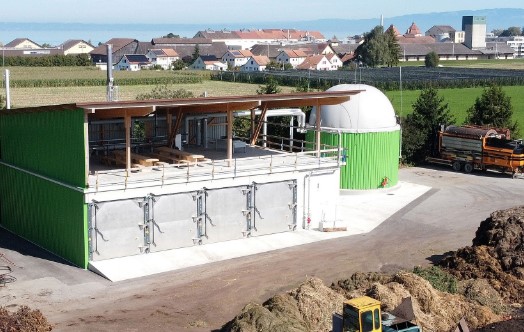
As the global focus on sustainability intensifies, the rise of small biogas plants offers a compact and efficient solution to the world’s waste management and energy challenges. These miniature energy hubs transform organic waste into valuable biogas, providing clean energy right at the source, whether it’s a rural farm, an urban household, or a small business.
What are Small Biogas Plants?
Small biogas plants are compact systems designed to convert organic waste—such as kitchen scraps, animal manure, and agricultural residues—into biogas through anaerobic digestion. Unlike large-scale industrial biogas facilities, small biogas plants are tailored for local or individual use, making them ideal for households, farms, and small businesses. These systems provide an accessible way to produce renewable energy on a smaller scale, reducing waste and cutting down energy costs.
How Small Biogas Plants Work
1. Collection of Organic Waste:
Organic waste such as food scraps, animal dung, or crop residues is collected and fed into the digester. The waste can be introduced manually or automatically, depending on the plant’s design.
2. Anaerobic Digestion:
Inside the digester, the waste is broken down by bacteria in an oxygen-free environment, a process known as anaerobic digestion. This process generates biogas—a mixture of methane (CH₄) and carbon dioxide (CO₂)—along with a nutrient-rich byproduct called digestate. Biogas analyzers, such as the GASCHEK1000 portable biogas analyzer, use advanced photoelectric sensing principles to detect and analyze methane (CH4), oxygen (O2), carbon dioxide (CO2), hydrogen sulfide (H2S) and other gases, and accurately report , while effectively checking the digestive process.

portable biogas analyzer GASCHEK1000
3. Biogas Collection and Use:
The biogas is captured and stored in a gas holder or storage tank. This gas can then be used directly for cooking, heating, or as fuel for electricity generation. Some small plants also include biogas upgrading systems to purify the gas for use in vehicles.
4. Utilization of Digestate:
The digestate produced during the digestion process is rich in nutrients and can be used as an organic fertilizer, promoting sustainable agricultural practices and closing the waste-to-energy loop.
Advantages of Small Biogas Plants
1. Affordable and Accessible Renewable Energy:
Small biogas plants provide a cost-effective way to produce clean energy, especially for rural households and small-scale farmers. By turning waste into biogas, users can reduce their dependence on costly and polluting fuels like firewood, coal, or propane.
2. Waste Management and Environmental Benefits:
These systems offer an efficient way to manage organic waste, diverting it from landfills and reducing methane emissions from decomposing waste. The use of biogas also cuts down on harmful pollutants associated with burning fossil fuels.
3. Energy Independence and Security:
By generating energy locally, small biogas plants enhance energy security and independence, especially in remote areas with limited access to electricity. They provide a reliable energy source that is not subject to the fluctuations of the global energy market.
4. Reduction of Greenhouse Gas Emissions:
Small biogas plants capture methane—a potent greenhouse gas—before it can be released into the atmosphere, significantly reducing the carbon footprint associated with waste decomposition. This makes them a powerful tool in the fight against climate change.
5. Nutrient Recycling and Improved Soil Health:
The digestate produced as a byproduct of biogas production is a valuable organic fertilizer that can be used to enrich soil, promote plant growth, and reduce the need for synthetic fertilizers. This recycling of nutrients supports sustainable agriculture.
6. Scalability and Flexibility:
One of the major advantages of small biogas plants is their scalability. They can be designed to fit a wide range of applications—from single-family homes to larger community-based setups. This flexibility allows for tailored solutions that match the specific energy needs of the user.
Challenges and the Path Forward
- Initial Investment Costs: While small biogas plants are more affordable than large-scale facilities, the initial setup cost can still be a barrier for low-income households. Financial incentives, subsidies, and community-based funding models can help overcome this hurdle.
- Maintenance and Technical Know-How: Proper operation and maintenance are crucial for the efficient functioning of biogas plants. Providing training and technical support to users is essential for maximizing the benefits of these systems.
- Waste Input Consistency: The efficiency of biogas production depends on a consistent supply of organic waste. Seasonal variations in waste availability can affect gas production, requiring careful planning and management.
Conclusion
Small biogas plants are an empowering tool for households, farms, and businesses, turning organic waste into a valuable energy resource while promoting environmental sustainability. As technology advances and awareness grows, these compact systems are set to play a significant role in the green energy transition, helping communities reduce their carbon footprint, manage waste effectively, and gain energy independence.
By investing in and adopting small biogas plants, we can take meaningful steps toward a more sustainable and resilient future—one where waste is no longer a problem, but a powerful solution to our energy needs. The rise of small biogas plants is a testament to the transformative potential of renewable energy, making sustainable living more accessible and practical than ever before.
 Manufacturer of biogas analyzer, landfill gas analyzer and extraction monitor, anaerobic digester gas analyzer