
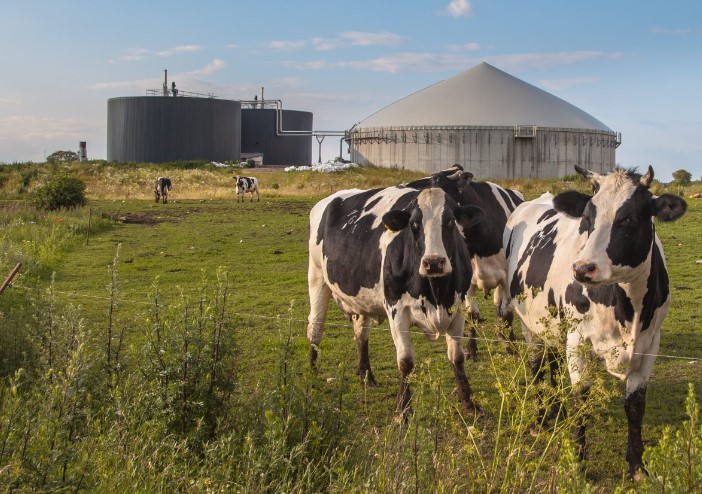
As the world faces mounting challenges in waste management and the quest for sustainable energy, biogas production from organic waste emerges as a beacon of hope. This innovative process not only provides a renewable source of energy but also transforms what was once considered trash into a valuable resource.
What is Biogas?
Biogas is a renewable energy source composed mainly of methane (CH₄) and carbon dioxide (CO₂), produced through the breakdown of organic matter in the absence of oxygen, a process known as anaerobic digestion. Biogas can be generated from various organic wastes, including food scraps, agricultural residues, animal manure, and sewage sludge. This versatile gas can be used for cooking, heating, electricity generation, and even as vehicle fuel when upgraded to biomethane.
How Biogas Production Works: The Anaerobic Digestion Process
- 1. Hydrolysis: Complex organic compounds such as carbohydrates, proteins, and fats are broken down into simpler soluble compounds, like sugars and amino acids, by enzymes.
- 2. Acidogenesis: The soluble compounds are then converted into volatile fatty acids, alcohols, hydrogen, and carbon dioxide by acidogenic bacteria.
- 3. Acetogenesis: Volatile fatty acids are further broken down into acetic acid, hydrogen, and carbon dioxide by acetogenic bacteria.
- 4. Methanogenesis: Methanogenic archaea convert acetic acid, hydrogen, and carbon dioxide into methane and water, producing biogas.
The biogas produced is collected and can be stored, while the remaining digestate, a nutrient-rich byproduct, can be used as an organic fertilizer for agriculture, closing the loop in a sustainable waste management cycle. It is necessary to monitor the composition of biogas. For example, the OLGA2000 biogas online monitoring system uses advanced photoelectric sensing principles to detect methane (CH4), oxygen (O2), carbon dioxide (CO2), hydrogen sulfide (H2S), etc. It can be widely used in gas monitoring in landfill biogas power plants, petrochemical industry, coal mines and other scenarios, and can realize remote data transmission.

biogas online monitoring system OLGA2000
Benefits of Biogas Production from Organic Waste
1. Renewable Energy Generation:
Biogas is a clean and renewable energy source that reduces dependence on fossil fuels. It can be used for cooking, heating, electricity generation, and even powering vehicles when upgraded, providing a versatile energy solution that can be utilized on both small and large scales.
2. Waste Management and Pollution Reduction:
Biogas production offers an effective way to manage organic waste, reducing the amount of waste sent to landfills. By converting waste into biogas, methane emissions from decomposing organic matter in landfills are minimized, significantly lowering greenhouse gas emissions.
3. Nutrient Recycling through Digestate:
The digestate produced during anaerobic digestion is a valuable organic fertilizer rich in nutrients like nitrogen, phosphorus, and potassium. It enhances soil fertility, promotes healthier crops, and reduces the need for chemical fertilizers, fostering sustainable agricultural practices.
4. Reduction of Greenhouse Gas Emissions:
By capturing methane—a potent greenhouse gas—from organic waste, biogas production helps mitigate climate change. Additionally, using biogas as an energy source reduces carbon dioxide emissions compared to burning fossil fuels, contributing to a cleaner environment.
5. Economic Benefits:
Biogas production can create new revenue streams by generating energy and selling digestate as a fertilizer. It also creates jobs in biogas plant operation, maintenance, and construction, providing economic benefits to local communities.
6. Energy Security and Independence:
By generating energy locally, biogas production reduces reliance on imported fossil fuels, enhancing energy security. It provides a stable and decentralized energy source, particularly in rural and off-grid areas.
Applications of Biogas from Organic Waste
1. Household and Community Energy:
Small-scale biogas plants can provide cooking and heating fuel for households and communities, especially in rural areas where access to clean energy is limited.
2. Electricity Generation:
Biogas can be used to generate electricity through biogas engines or turbines, providing power to homes, businesses, and industries. This application is particularly beneficial in areas with unreliable electricity supply.
3. Transport Fuel:
When purified and upgraded to biomethane, biogas can be used as a clean fuel for vehicles, reducing emissions and contributing to the transition to green transport.
Conclusion
Biogas production from organic waste is more than just an energy solution; it represents a transformative approach to managing waste, reducing environmental impact, and promoting sustainable development. By turning trash into treasure, biogas plants offer a practical, scalable, and environmentally friendly way to harness the potential of organic waste. As we strive towards a more sustainable future, embracing biogas technology is an essential step in powering our world with clean and renewable energy.
 Manufacturer of biogas analyzer, landfill gas analyzer and extraction monitor, anaerobic digester gas analyzer