
With growing interest in sustainable energy and waste management, methane digesters have become an attractive option for households looking to reduce their environmental impact. These devices convert organic waste, such as kitchen scraps and animal manure, into biogas (a renewable source of methane) that can be used for cooking, heating, and even electricity generation. However, the cost of installing and maintaining a methane digester can be a barrier for many homeowners. In this article, we’ll explore strategies to reduce methane digester costs in residential settings, making it a more viable solution for sustainable living.
1. Opt for Smaller, Modular Systems
One of the primary reasons for high costs in methane digesters is their size. Large-scale digesters, designed for commercial or industrial use, are expensive to install and maintain. In a residential setting, opting for a smaller, modular system can reduce upfront costs. These digesters are designed to process smaller amounts of organic waste, such as food scraps from a family of four, making them ideal for home use.
Advantages of Modular Digesters:
- Lower upfront investment
- Easy to scale up or down based on household needs
- Simplified maintenance due to smaller size
2. DIY Installation
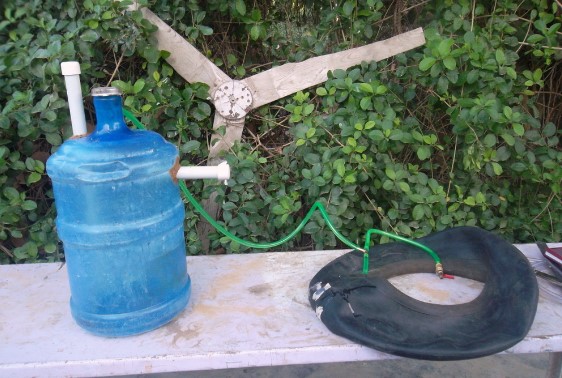
Hiring professionals to install a methane digester can add significantly to the overall cost. For those with technical skills or a desire to take on a project, DIY installation is an option that can save money. There are several guides and resources available online that provide detailed instructions for building and installing a home-based methane digester using readily available materials.
Steps for a DIY Methane Digester:
- Choose a design that fits your household waste output and space requirements.
- Gather materials, such as plastic drums, PVC pipes, valves, and gas storage bags.
- Follow online tutorials or manuals to assemble the digester.
While DIY digesters may not be as efficient or durable as professionally installed systems, they offer a cost-effective way to get started with biogas production.
3. Use Locally Sourced Materials
Another way to reduce the cost of a methane digester is to use locally sourced or recycled materials for construction. For example, many home digesters are built from plastic or metal containers that are readily available in local markets or can be repurposed from other uses. Pipes, fittings, and gas storage components can often be sourced from hardware stores or through local suppliers, helping reduce shipping and material costs.
By avoiding expensive, specialized equipment and focusing on practical, locally available materials, homeowners can build effective digesters at a fraction of the cost of imported systems.
4. Community-Based Projects
If the upfront cost of a methane digester is too high for an individual household, a community-based project might be a more affordable option. By pooling resources, several families in a neighborhood or village can install a shared digester to handle their collective organic waste. This approach reduces the cost per household while providing the same benefits in terms of biogas production.
Benefits of Community Digesters:
- Shared costs reduce individual financial burdens
- Centralized waste processing and energy production
- Encourages community collaboration and sustainability
This model has been used successfully in rural communities around the world, where shared biogas plants provide fuel for cooking and heating while managing agricultural and household waste.
5. Government Subsidies and Incentives
In many regions, governments offer subsidies and incentives to encourage the adoption of renewable energy technologies, including methane digesters. These programs can significantly reduce the upfront cost of installation and even provide grants or low-interest loans for purchasing the necessary equipment.
Examples of Government Support:
- Tax credits for installing renewable energy systems
- Grants for sustainable home improvements
- Rebates for energy-efficient appliances
Research the available incentives in your area to see if you qualify for any financial assistance. In some cases, these programs can reduce the cost of a methane digester by up to 50%, making it a much more affordable option for residential use.
6. Improve Operational Efficiency
Once the methane digester is installed, ongoing operational costs can add up. However, improving the efficiency of the digester can reduce long-term expenses. By optimizing the system to process waste more effectively and generate higher yields of biogas, homeowners can get more value out of their investment.
Tips for Improving Efficiency:
- Ensure a proper balance of feedstock materials (such as mixing kitchen scraps with animal manure).
- Maintain the righttemperature for anaerobic digestion (typically between 35°C and 55°C).
- Regularly check and clean the digester to prevent blockages and ensure smooth operation.
Additionally, investing in simple monitoring tools can help you track the digester’s performance and make adjustments to maximize biogas production.
7. Consider Biogas Utilization Systems
One way to improve the cost-effectiveness of a methane digester is to maximize the use of the biogas produced. In many homes, biogas is used primarily for cooking, but it can also be utilized for heating, hot water, or electricity generation. By installing additional systems, such as a biogas generator or water heater, homeowners can reduce their reliance on external energy sources, further offsetting the cost of the digester.
8. Partner with Local Agriculture
If you don’t generate enough organic waste to justify a digester on your own, consider partnering with a local farm or community garden. Many small-scale farms are eager to find ways to manage manure and crop residues, and they may be willing to provide the feedstock for your digester. In exchange, you could share the resulting biogas or nutrient-rich digestate for their crops, reducing your feedstock costs and building local partnerships.
Conclusion
Reducing the cost of a methane digester in residential settings is possible through several strategies, including opting for smaller systems, using DIY approaches, sourcing local materials, and exploring government incentives. Whether through community-based projects or improving operational efficiency, homeowners can find ways to make methane digesters a more affordable and sustainable energy solution. As biogas technology continues to advance, the cost of these systems is expected to decrease, making them an even more attractive option for those seeking to reduce their environmental footprint and energy costs.
 Manufacturer of biogas analyzer, landfill gas analyzer and extraction monitor, anaerobic digester gas analyzer