
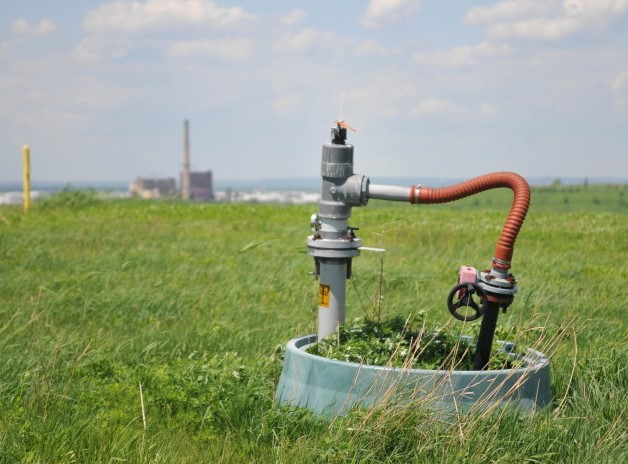
As the world shifts toward renewable energy to combat climate change, unconventional energy sources like landfill gas (LFG) and biogas are gaining traction. These sources of renewable energy are derived from waste, making them both eco-friendly and a solution to the pressing issue of waste management. By capturing and utilizing the gases produced from decomposing organic materials, we can harness a valuable source of renewable energy while reducing harmful greenhouse gas emissions.
What Are Landfill Gas and Biogas?
Landfill gas (LFG) is a natural byproduct of the decomposition of organic waste in landfills. As waste materials, such as food scraps, paper, and yard waste, break down in the absence of oxygen (anaerobically), they produce a mixture of gases. The main components of landfill gas are methane (CH₄) and carbon dioxide (CO₂), with methane being a potent greenhouse gas. If left unchecked, methane emissions from landfills can have a significant negative impact on the environment.
Biogas, on the other hand, is produced through the controlled decomposition of organic materials in a dedicated facility, called an anaerobic digester. The process is similar to that of a landfill, but it is more controlled and efficient, enabling the production of higher-quality biogas. This gas can be used for cooking, heating, electricity generation, and even as a transportation fuel after being upgraded to biomethane.
While both landfill gas and biogas share similar properties and can be harnessed for energy, biogas is generally produced in purpose-built facilities, whereas landfill gas is an unintended byproduct of waste disposal in landfills.

The Process of Harnessing Landfill Gas
Landfills are traditionally seen as environmental liabilities due to their methane emissions, which contribute significantly to climate change. However, by capturing and utilizing landfill gas, landfills can be turned into a valuable resource for renewable energy.
The process of capturing landfill gas involves several steps:
- 1. Gas Collection: As waste decomposes, methane and other gases are produced in the landfill. Gas collection systems, usually composed of a series of wells and pipes, are installed throughout the landfill to capture the gas before it escapes into the atmosphere.
- 2. Gas Treatment: Once collected, the gas is treated to remove impurities like moisture, siloxanes, and other contaminants that could damage equipment or lower the energy quality of the gas.
- 3. Energy Generation: After treatment, the landfill gas is used as a fuel for various energy applications. It can be burned in turbines or engines to produce electricity, or it can be processed further to create renewable natural gas (RNG), which is virtually indistinguishable from traditional natural gas.
Applications of Landfill Gas and Biogas
1. Electricity Generation
– Both landfill gas and biogas can be used to generate electricity. In many regions, landfill gas is collected and used to fuel engines or turbines that produce electricity for local communities. This reduces the reliance on fossil fuels while providing a renewable energy source.
– Biogas, produced from anaerobic digesters, can similarly be used to generate electricity and heat, making it a versatile energy solution for homes, businesses, and industrial facilities.
2. Renewable Natural Gas (RNG)
– When cleaned and upgraded to biomethane, both landfill gas and biogas can be injected into the natural gas grid or used as a renewable alternative to conventional natural gas. This upgraded gas is known as renewable natural gas (RNG) and can be used for heating, cooking, and as vehicle fuel.
– The use of RNG in transportation, particularly in heavy-duty vehicles like buses and trucks, is becoming more popular as it helps reduce the carbon footprint of the transportation sector.
3. Heat Production
– In addition to electricity, biogas and landfill gas can be used directly for heating. This is particularly useful for industrial processes or district heating systems that require a steady supply of thermal energy.
4. Fertilizer Production
– When biogas is produced in anaerobic digesters, a byproduct known as digestate is left behind. This nutrient-rich material can be used as a natural fertilizer for agriculture, reducing the need for synthetic fertilizers and promoting more sustainable farming practices.
Environmental Benefits
1. Reduction of Greenhouse Gas Emissions
– Methane is a powerful greenhouse gas, with a global warming potential roughly 28-36 times greater than that of carbon dioxide over a 100-year period. By capturing and utilizing methane from landfills and biogas facilities, we prevent it from escaping into the atmosphere and contributing to global warming.
– Both landfill gas and biogas projects significantly reduce the carbon footprint of waste disposal and energy production, helping to combat climate change.
2. Waste Reduction
– Biogas production through anaerobic digestion helps manage organic waste in a sustainable way. Instead of sending food scraps, agricultural waste, and animal manure to landfills, these materials can be processed in biogas facilities to create energy and fertilizer, reducing the volume of waste that ends up in landfills.
3. Air Quality Improvement
– By capturing landfill gas and preventing methane from being released into the atmosphere, air quality can be improved in areas surrounding landfills. Furthermore, the use of biogas as a clean-burning fuel reduces harmful emissions such as sulfur oxides (SOx) and nitrogen oxides (NOx) that result from burning fossil fuels.
4. Promoting Circular Economy
– Biogas and landfill gas projects embody the principles of a circular economy, where waste materials are turned into valuable resources like energy and fertilizer, closing the loop on waste production and consumption. This promotes sustainability and reduces the environmental impact of energy production.
Harnessing landfill gas and biogas for renewable energy represents a significant step toward creating a more sustainable future. By turning waste into energy, we can reduce greenhouse gas emissions, manage waste more effectively, and create valuable resources for local communities.
 Manufacturer of biogas analyzer, landfill gas analyzer and extraction monitor, anaerobic digester gas analyzer