
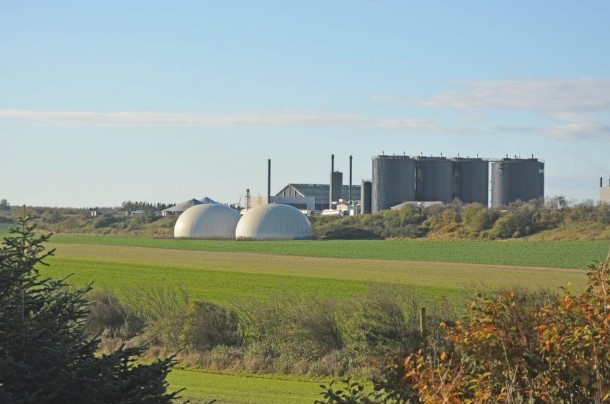
As the world grapples with the challenge of transitioning from fossil fuels to renewable energy, biogas has emerged as a viable solution that not only addresses waste management but also contributes to the production of clean, renewable energy. One of the key players in advancing the biogas revolution is ENGIE, a global energy company committed to providing sustainable energy solutions. With a focus on biogas projects, ENGIE is helping to power communities around the globe, fostering a cleaner and more sustainable future.
What is Biogas?
Biogas is a renewable energy source produced through the process of anaerobic digestion—a natural biological process where microorganisms break down organic material (such as food waste, agricultural residues, or manure) in the absence of oxygen. The result is a mixture of methane and carbon dioxide that can be captured and used as an energy source. Biogas can be utilized for cooking, heating, generating electricity, and, when purified to biomethane, even as a vehicle fuel.
One of the significant benefits of biogas is its circular economy approach, where waste is turned into a resource, helping to reduce landfill waste, mitigate greenhouse gas emissions, and generate energy at the same time.
ENGIE’s Commitment to Biogas Projects
ENGIE has taken a leadership role in promoting and developing biogas projects globally. Recognizing that renewable energy is the future, the company has actively invested in biogas production facilities as part of its sustainability strategy.
ENGIE’s biogas projects aim to:
- 1. Promote Circular Economy Solutions: By turning waste into energy, ENGIE is at the forefront of creating sustainable and efficient resource management systems for industries, municipalities, and communities.
- 2. Lower Greenhouse Gas Emissions: Biogas projects directly reduce the amount of methane and carbon dioxide that would otherwise be released into the atmosphere from decomposing organic material in landfills.
- 3. Support Local Economies: Many of ENGIE’s biogas projects are located in rural or agricultural areas where organic waste is abundant. By establishing biogas plants, ENGIE creates job opportunities, strengthens local economies, and provides access to sustainable energy.

ENGIE’s Flagship Biogas Projects
1. Lemvig Biogas Plant, Denmark
The Lemvig biogas plant, one of the largest in Denmark, processes agricultural waste and manure to generate biogas. ENGIE, through its subsidiary ENGIE Bio Gas, has partnered with local farmers to ensure a consistent feedstock supply, thereby creating a closed-loop system that benefits both the community and the environment. The biogas generated is used to produce electricity and heat for thousands of homes while reducing agricultural emissions.
2. Biogas Max Project, France
In France, ENGIE’s Biogas Max Project focuses on capturing methane from food waste and municipal solid waste. The facility not only reduces waste but also purifies biogas into biomethane that can be fed into the local gas grid or used as fuel for vehicles. This project is a shining example of how biogas can play a pivotal role in the transportation sector, significantly lowering emissions from vehicles.
3. Biomethane Expansion in Latin America
In Latin America, ENGIE is developing several biogas and biomethane projects that leverage the region’s abundant agricultural waste. By working closely with local governments and communities, ENGIE ensures that its projects benefit local populations by providing them with energy independence, job opportunities, and sustainable infrastructure.
The Role of Biogas in Sustainable Communities
- 1. Energy Independence: By producing biogas locally, communities reduce their reliance on imported fossil fuels, fostering greater energy security and stability.
- 2. Waste Reduction: Communities that participate in ENGIE’s biogas programs can significantly reduce the amount of waste sent to landfills, thus alleviating pressure on municipal waste management systems.
- 3. Lower Emissions: By turning organic waste into biogas, ENGIE helps communities lower their carbon footprint. The process captures methane—a potent greenhouse gas that would otherwise contribute to climate change—and converts it into a usable resource.
- 4. Job Creation: Biogas projects create jobs in engineering, construction, operations, and maintenance, providing economic opportunities to local populations.
ENGIE’s biogas projects are more than just renewable energy initiatives; they are holistic solutions that empower communities, drive sustainability, and tackle environmental challenges. As the world looks for cleaner energy alternatives, ENGIE is paving the way by showing how biogas can be an essential part of the global energy mix. From waste to energy, ENGIE’s biogas projects are truly powering sustainable communities and driving the future of green energy.
 Manufacturer of biogas analyzer, landfill gas analyzer and extraction monitor, anaerobic digester gas analyzer