
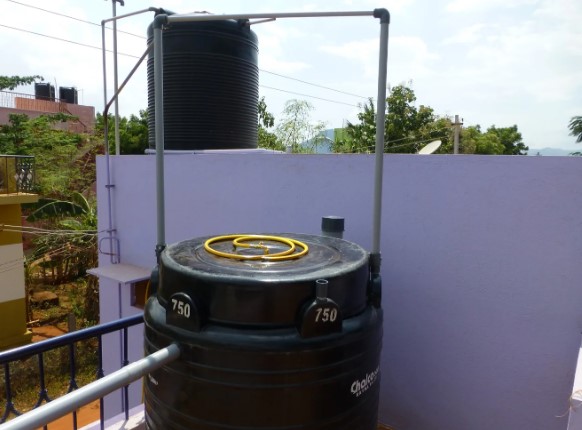
Mini biogas plants are emerging as a compact and efficient solution for harnessing renewable energy from organic waste. Designed to cater to smaller-scale applications, these systems are particularly beneficial for households, small farms, and community projects. This article explores the features, advantages, and potential of mini biogas plants in promoting green energy and sustainability.
Features of Mini Biogas Plants
- 1. Compact Design: Mini biogas plants are engineered to be small and portable, making them suitable for installation in residential areas, small farms, or community centers. Their compact size ensures they can be integrated into various environments without requiring extensive space.
- 2. Simple Operation: These plants operate using a straightforward anaerobic digestion process. Organic waste is fed into a sealed digester, where microorganisms break it down to produce biogas. The simplicity of the design allows for easy operation and maintenance.
- 3. Modular Construction: Many mini biogas plants are modular, allowing for easy scaling up or down based on the user’s needs. This flexibility ensures that the system can be tailored to fit different sizes of waste generation.
- 4. Efficient Waste Management: Mini biogas plants are designed to handle a variety of organic waste, including food scraps, agricultural residues, and animal manure. This versatility makes them a valuable tool for effective waste management.
- 5. Gas Storage and Utilization: The biogas produced is collected in a storage chamber and can be used for cooking, heating, or generating electricity. Some systems also include features for compressing or purifying the gas for various applications.

Advantages of Mini Biogas Plants
- 1. Renewable Energy Production: Mini biogas plants provide a sustainable source of energy by converting organic waste into biogas. This reduces reliance on fossil fuels and lowers greenhouse gas emissions.
- 2. Cost-Effective: The initial investment in a mini biogas plant is relatively low compared to larger systems, making it an affordable option for households and small-scale operations. The energy savings from using biogas also contribute to cost-effectiveness over time.
- 3. Environmental Benefits: By managing organic waste effectively, mini biogas plants reduce the environmental impact associated with waste disposal. They prevent methane emissions from decomposing waste and produce a valuable byproduct in the form of digestate, which can be used as fertilizer.
- 4. Energy Independence: Mini biogas plants enhance energy security by providing a local source of renewable energy. This is particularly advantageous in remote or off-grid areas where access to conventional energy sources may be limited.
- 5. Educational and Community Impact: Mini biogas plants serve as educational tools for promoting sustainable practices. They can be used in community projects to demonstrate the benefits of renewable energy and waste management.
- 6. Improved Waste Management: These systems help reduce waste accumulation and associated environmental problems. The digestate produced is a nutrient-rich organic fertilizer, contributing to soil health and reducing the need for chemical fertilizers.
- 7. Versatility: Mini biogas plants can be adapted for various uses, including small-scale electricity generation, water heating, and cooking. This versatility makes them a valuable addition to both residential and agricultural settings.
Applications of Mini Biogas Plants
- 1. Households: In homes, mini biogas plants can provide an alternative source of cooking gas and reduce kitchen waste. They are especially beneficial in rural areas where access to energy and waste disposal services may be limited.
- 2. Small Farms: Farmers can use mini biogas plants to manage animal manure and other organic waste. The biogas produced can power farm equipment or provide energy for heating, while the digestate can be used as fertilizer.
- 3. Community Projects: In community settings, mini biogas plants can support local energy needs and waste management initiatives. They can be integrated into schools, community centers, and cooperative farming projects.
- 4. Educational Institutions: Schools and colleges can use mini biogas plants as part of educational programs to teach students about renewable energy and sustainable waste management.
Conclusion
Mini biogas plants offer a compact and effective solution for generating green energy from organic waste. Their versatility, environmental benefits, and cost-effectiveness make them an attractive option for households, small farms, and community projects. By adopting mini biogas plants, individuals and communities can contribute to a more sustainable future, reduce waste, and harness the power of renewable energy.
 Manufacturer of biogas analyzer, landfill gas analyzer and extraction monitor, anaerobic digester gas analyzer