
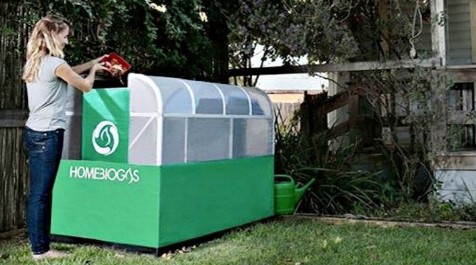
As the world transitions toward renewable energy sources, more homeowners are looking for sustainable and cost-effective ways to meet their energy needs. A biogas unit offers a practical solution by converting organic waste into a reliable source of energy that can power your home. Here’s how a biogas unit works and how it can become an essential part of your household’s energy system.
What is a Biogas Unit?
A biogas unit is a system that processes organic materials such as kitchen waste, animal manure, and agricultural residues to produce biogas. The unit typically consists of a digester, where anaerobic digestion occurs, and a storage tank for the biogas produced. The digester is a sealed, oxygen-free container where microorganisms break down the organic matter, resulting in a mixture of gases, primarily methane (CH4) and carbon dioxide (CO2).
The Process: From Waste to Energy
1. Collection of Organic Waste:
The process begins with the collection of organic waste materials. This can include food scraps, vegetable peels, garden clippings, and animal manure. The waste is fed into the digester, where the anaerobic digestion process will take place.
2. Anaerobic Digestion:
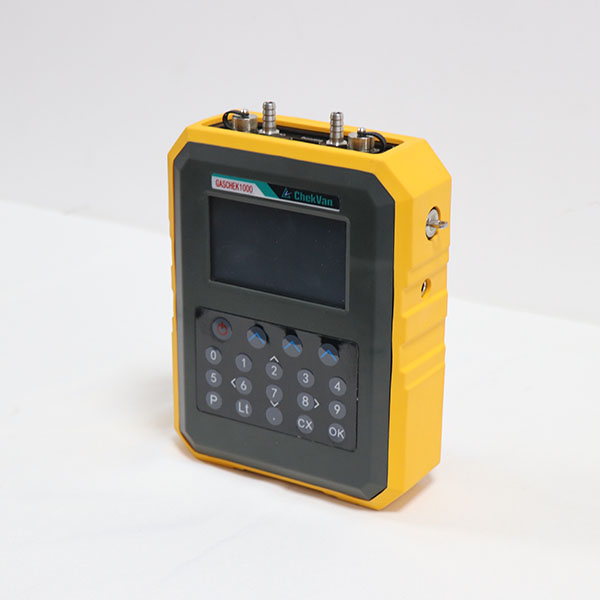
Inside the digester, microorganisms break down the organic matter in the absence of oxygen. This process produces biogas, which is mainly composed of methane. Methane is the key component that can be used as a fuel source. During the biogas production process, a biogas analyzer is needed to monitor the composition of the biogas. Such as the GASCHEK1000 portable biogas analyzer, use advanced photoelectric sensing principles to detect and analyze methane (CH4), oxygen (O2), carbon dioxide (CO2), hydrogen sulfide (H2S) and other gases, and accurately report , while effectively checking the digestive process.
3. Biogas Storage:
The biogas produced in the digester is collected and stored in a gas holder or storage tank. This gas can be used immediately or stored for later use.
4. Energy Utilization:
The stored biogas can be used in various ways to power your home:
– Cooking: Biogas can be directly used in gas stoves for cooking, providing a clean and efficient fuel source.
– Heating: Biogas can be used in home heating systems to provide warmth during colder months.
– Electricity Generation: Biogas can be fed into a biogas generator or a combined heat and power (CHP) system to produce electricity for household use.
– Water Heating: Biogas can be used to heat water for bathing, cleaning, and other domestic uses.
Benefits of Using a Biogas Unit at Home
1. Renewable and Sustainable Energy:
Biogas is a renewable energy source that can be continuously produced from readily available organic waste. By using a biogas unit, you can reduce your reliance on non-renewable fossil fuels and contribute to a sustainable energy future.
2. Cost Savings:
Installing a biogas unit can lead to significant cost savings over time. By generating your own energy, you can reduce or even eliminate your household’s energy bills for cooking, heating, and electricity. Additionally, the cost of waste disposal is minimized as organic waste is converted into valuable energy.
3. Environmental Benefits:
Biogas production reduces greenhouse gas emissions by capturing methane that would otherwise be released into the atmosphere from decomposing waste. Using biogas also reduces the need for fossil fuels, further decreasing your household’s carbon footprint. The digestate, a byproduct of the anaerobic digestion process, can be used as a nutrient-rich fertilizer, enhancing soil health and reducing the need for chemical fertilizers.
4. Energy Independence:
A biogas unit provides energy security and independence by enabling you to generate your own energy on-site. This can be particularly beneficial in areas with unreliable energy supply or in off-grid locations where traditional energy sources are unavailable or costly.
5. Waste Management:
A biogas unit offers an efficient and eco-friendly way to manage household organic waste. Instead of sending waste to landfills, where it would produce harmful emissions, you can convert it into a valuable resource that powers your home.
6. Health Benefits:
Using biogas as a cooking fuel can improve indoor air quality compared to traditional biomass fuels like wood or charcoal, which produce smoke and harmful pollutants. This can reduce respiratory problems and other health issues associated with indoor air pollution.

Steps to Install a Biogas Unit at Home
1. Assess Your Needs:
Determine your household’s energy requirements and the amount of organic waste you produce to choose the right size and type of biogas unit.
2. Select a Suitable Location:
Choose a location for the biogas unit that is close to your waste source and where the unit can be safely installed. The site should have adequate ventilation and be easily accessible for feeding the digester and collecting biogas.
3. Install the Unit:
Install the biogas unit according to the manufacturer’s instructions or hire a professional to ensure proper setup. The digester should be properly sealed to prevent oxygen from entering and to ensure the efficient production of biogas.
4. Start Feeding the Digester:
Begin feeding the digester with organic waste materials. Initially, it may take a few weeks for the microorganisms to build up and start producing biogas consistently.
5. Utilize the Biogas:
Once biogas production is stable, connect the biogas output to your household appliances, such as stoves, heaters, or generators, to start using the energy produced.
Conclusion
A biogas unit is an innovative and sustainable solution for powering your home. By converting organic waste into biogas, you can reduce energy costs, minimize environmental impact, and achieve greater energy independence. As the world moves towards greener energy sources, investing in a home biogas unit not only supports sustainability but also provides a practical and reliable way to meet your household’s energy needs.
 Manufacturer of biogas analyzer, landfill gas analyzer and extraction monitor, anaerobic digester gas analyzer