
In the global push for sustainable energy, biogas has emerged as a powerful and versatile alternative to fossil fuels. This renewable energy source, produced from the anaerobic digestion of organic waste, offers a host of environmental, economic, and social benefits. As countries seek to reduce their carbon footprint and transition to cleaner energy, maximizing the use of biogas can play a pivotal role in achieving these goals.
What is Biogas?
Biogas is a mixture of gases, primarily composed of methane (CH4) and carbon dioxide (CO2), produced through the breakdown of organic matter in the absence of oxygen. This process, known as anaerobic digestion, occurs naturally in environments like wetlands and landfills, but it can also be harnessed in controlled systems called digesters. The feedstock for biogas production includes agricultural waste, animal manure, food scraps, and even wastewater sludge.
The Benefits of Biogas
1. Renewable and Sustainable Energy:
Biogas is a renewable resource, as it is continuously produced from organic waste materials. Unlike fossil fuels, which take millions of years to form and release large amounts of CO2 when burned, biogas production is part of the carbon cycle. The CO2 released when biogas is used for energy is offset by the CO2 absorbed by plants during their growth, making biogas a carbon-neutral energy source.
2. Waste Management:
One of the most significant advantages of biogas is its ability to transform waste into a valuable resource. By processing organic waste in anaerobic digesters, biogas systems reduce the volume of waste sent to landfills, mitigate methane emissions from decomposing waste, and minimize water and soil pollution. This not only helps in waste management but also reduces the environmental impact of waste disposal.
3. Energy Security and Independence:
Biogas offers a decentralized energy solution that can be produced locally, reducing reliance on imported fossil fuels. For rural and remote areas, biogas can provide a reliable and consistent energy supply, enhancing energy security and independence. By diversifying the energy mix, biogas also contributes to a more resilient energy system.
4. Economic Opportunities:
The biogas industry presents numerous economic opportunities, from the construction and operation of biogas plants to the production and sale of biogas and its byproducts. It creates jobs in rural areas, supports local economies, and provides additional income streams for farmers and waste management companies. Moreover, biogas can be upgraded to biomethane, a purified form of biogas that can be injected into the natural gas grid or used as a vehicle fuel, opening up further economic possibilities.
5. Environmental Protection:
By capturing methane that would otherwise escape into the atmosphere, biogas systems help reduce greenhouse gas emissions. Methane is a potent greenhouse gas, with a global warming potential 25 times greater than CO2 over a 100-year period. Therefore, biogas production plays a crucial role in mitigating climate change. Additionally, the use of biogas as a fuel reduces the need for fossil fuels, further decreasing the environmental impact of energy production.
Maximizing the Use of Biogas
1. Expanding Feedstock Sources:
Biogas production can be increased by expanding the range of feedstock sources. This includes integrating more agricultural residues, food waste, and industrial byproducts into biogas systems. Diversifying feedstock not only enhances biogas output but also addresses the challenge of waste disposal in various sectors.
2. Improving Biogas Technology:
Advancements in biogas technology, such as more efficient digesters, better gas storage solutions, and enhanced purification processes, can significantly boost biogas production and utilization. Investing in research and development to improve the efficiency and scalability of biogas systems is essential for maximizing their use.
3. Integrating Biogas into Energy Systems:
Biogas can be integrated into existing energy systems in several ways. For instance, biogas can be co-fired with natural gas in power plants, injected into the natural gas grid after purification, or used directly in combined heat and power (CHP) plants. This integration can optimize energy production and reduce dependence on non-renewable energy sources.
4. Promoting Biogas in Transportation:
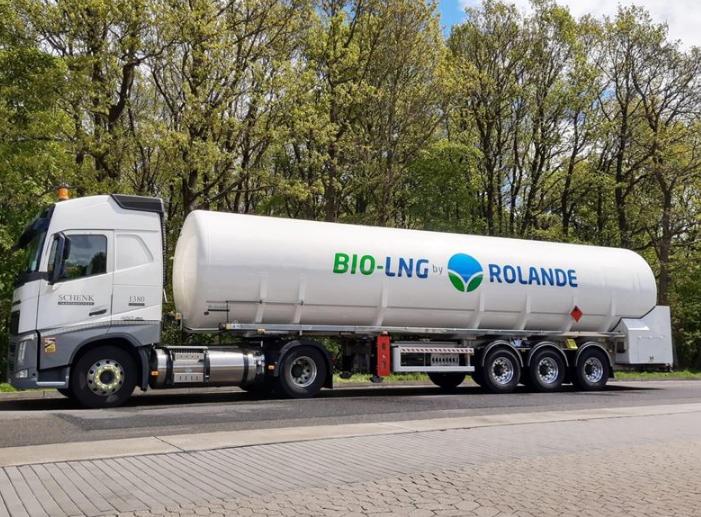
Upgraded biogas (biomethane) can be used as a vehicle fuel, offering a low-carbon alternative to diesel and petrol. Expanding the use of biomethane in the transportation sector, particularly for heavy-duty vehicles and public transportation, can significantly reduce greenhouse gas emissions from transport.
Conclusion
Biogas represents a promising pathway toward a sustainable energy future. By maximizing the use of biogas, we can reduce greenhouse gas emissions, improve waste management, enhance energy security, and create economic opportunities. As the world continues to grapple with the challenges of climate change and resource depletion, biogas offers a practical and scalable solution that aligns with global sustainability goals. With continued investment, innovation, and policy support, biogas can become a cornerstone of the renewable energy landscape, powering a greener and more resilient world.
 Manufacturer of biogas analyzer, landfill gas analyzer and extraction monitor, anaerobic digester gas analyzer