
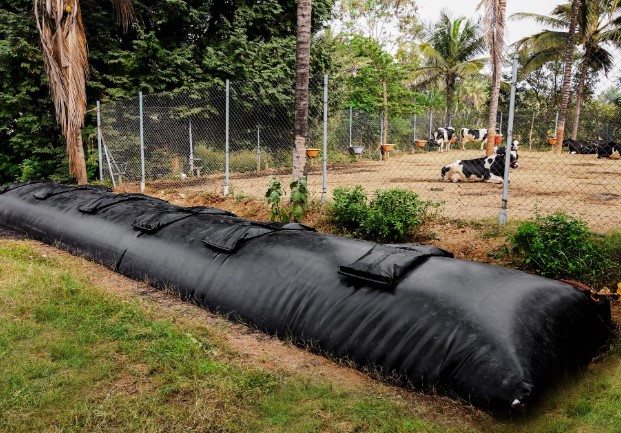
In the quest for sustainable energy solutions, Gobar Gas, also known as cow dung biogas, represents a time-tested, indigenous approach to harnessing renewable energy. Rooted in traditional practices and widely used in rural communities across India and other parts of the world, Gobar Gas systems convert cow dung and other organic waste into valuable biogas and organic fertilizer. This article delves into the concept of Gobar Gas, its significance, benefits, and the role it plays in promoting sustainable development.
What is Gobar Gas?
Gobar Gas refers to biogas produced from cow dung through the process of anaerobic digestion. In this process, microorganisms break down organic matter in the absence of oxygen, producing a mixture of gases, primarily methane (CH₄) and carbon dioxide (CO₂), along with small amounts of other gases such as hydrogen sulfide (H₂S). The resulting biogas can be used as a clean, renewable source of energy for cooking, heating, lighting, and even electricity generation.
The byproduct of this process, known as digestate, is a nutrient-rich slurry that can be used as an organic fertilizer, enriching the soil and promoting sustainable agricultural practices.
The Indigenous Origins of Gobar Gas
The concept of using cow dung to produce energy is deeply rooted in the agricultural traditions of India and other rural regions where livestock plays a central role in daily life. The idea of Gobar Gas plants, also known as “biogas plants” in modern terminology, gained prominence in the early 20th century as a way to manage animal waste while providing a reliable source of energy to rural households.
Mahatma Gandhi was among the early proponents of biogas in India, recognizing its potential to improve the lives of rural communities by providing a clean and affordable source of energy. Over the decades, the technology evolved, with various models and designs of Gobar Gas plants being developed to suit the specific needs of different regions and communities.
How Gobar Gas Systems Work
A typical Gobar Gas plant consists of the following components:
1. Inlet Tank:
Cow dung and other organic waste are mixed with water in the inlet tank to create a slurry. This slurry is then fed into the digester.
2. Digester:
The digester is an airtight chamber where the anaerobic digestion process takes place. Microorganisms break down the organic matter in the slurry, producing biogas and digestate.
3. Gas Holder:
The biogas produced in the digester rises to the top and is collected in a gas holder or dome. The gas holder is usually made of metal or plastic and stores the biogas until it is ready to be used.
4. Outlet Tank:
The digestate, which is the leftover slurry after biogas production, is discharged into an outlet tank. This digestate can be used as an organic fertilizer.
5. Gas Pipeline:
The biogas is transported from the gas holder to the kitchen or other areas where it will be used, via a pipeline.
6. Gas monitoring: Biogas analyzers, such as the GASCHEK1000 portable biogas analyzer, use advanced photoelectric sensing principles to detect and analyze methane (CH4), oxygen (O2), carbon dioxide (CO2), hydrogen sulfide (H2S) and other gases, and accurately report , while effectively checking the digestive process.

Portable Biogas Analyzer GasChek1000
Benefits of Gobar Gas
1. Renewable Energy Source:
Gobar Gas is a renewable source of energy, derived from readily available cow dung and other organic waste. Unlike fossil fuels, biogas production from cow dung does not deplete natural resources and is sustainable in the long term.
2. Environmental Benefits:
By capturing methane emissions from cow dung, Gobar Gas systems help reduce greenhouse gas emissions that contribute to climate change. Additionally, using biogas as a fuel reduces dependence on firewood and fossil fuels, thereby decreasing deforestation and air pollution.
3. Waste Management:
Gobar Gas systems provide an effective way to manage livestock waste, converting it into valuable biogas and fertilizer. This reduces the environmental impact of animal waste and helps maintain cleanliness in rural areas.
4. Economic Savings:
Households using Gobar Gas for cooking and heating can save money on conventional fuels such as liquefied petroleum gas (LPG) or firewood. The digestate produced can also replace chemical fertilizers, leading to cost savings in agriculture.
5. Empowerment of Rural Communities:
Gobar Gas systems are particularly beneficial for rural communities, where access to modern energy sources may be limited. By providing a reliable and affordable source of energy, these systems enhance the quality of life and support sustainable rural development.
Gobar Gas represents an indigenous and sustainable approach to energy production that has the potential to transform rural communities and contribute to global environmental goals. By harnessing the power of cow dung, Gobar Gas systems offer a renewable, cost-effective, and eco-friendly solution to energy needs. As the world continues to seek alternatives to fossil fuels, the lessons learned from Gobar Gas can inspire broader adoption of biogas technology, paving the way for a cleaner, greener future.
 Manufacturer of biogas analyzer, landfill gas analyzer and extraction monitor, anaerobic digester gas analyzer