
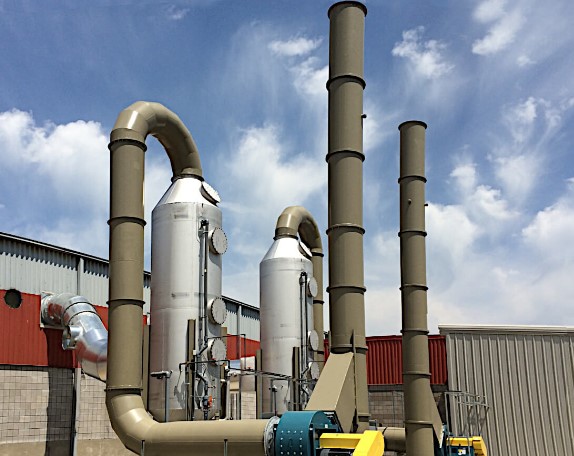
Hydrogen sulfide (H₂S) is a common contaminant found in biogas, produced through the anaerobic digestion of organic matter such as agricultural waste, sewage sludge, and food waste. While biogas is a valuable renewable energy source, the presence of H₂S poses significant challenges due to its corrosive, toxic, and environmentally harmful properties. This article explores the nature of H₂S in biogas, the challenges it presents, and the various solutions available for its removal.
What is H₂S and How Does It Form in Biogas?
H₂S is a colorless, flammable gas with a distinct odor of rotten eggs, and it is produced during the anaerobic digestion of sulfur-containing organic materials. When microorganisms break down these materials in the absence of oxygen, sulfur compounds are reduced to H₂S. The amount of H₂S in biogas can vary depending on the type of feedstock used, the sulfur content in the waste, and the operating conditions of the digester.
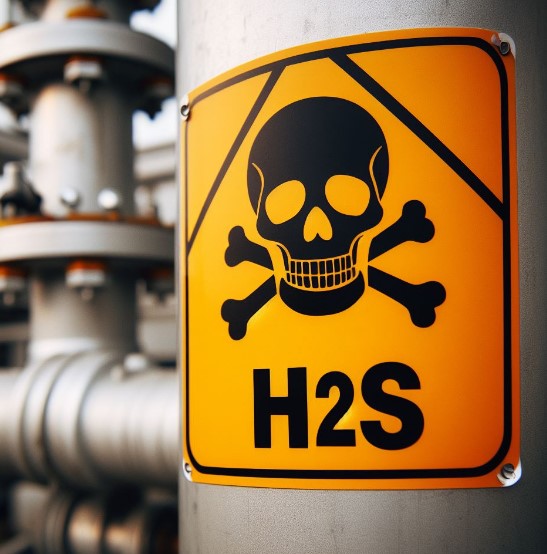
Challenges Posed by H₂S in Biogas
1. Corrosion:
H₂S is highly corrosive, especially when combined with moisture. When biogas containing H₂S is burned, it forms sulfur dioxide (SO₂) and sulfuric acid (H₂SO₄), which can corrode pipelines, engines, and other equipment used in biogas processing and utilization. This leads to increased maintenance costs, shorter equipment lifespans, and potential safety hazards.
2. Toxicity:
H₂S is toxic to humans and animals even at low concentrations. Exposure to high levels of H₂S can cause respiratory issues, headaches, dizziness, and in extreme cases, death. This makes the handling and storage of biogas with high H₂S content a significant health and safety concern.
3. Environmental Impact:
When released into the atmosphere, H₂S contributes to air pollution and the formation of acid rain, which can harm ecosystems, water bodies, and agricultural lands. Additionally, the combustion of H₂S-rich biogas releases harmful pollutants, including SO₂, which can contribute to respiratory problems in humans and animals.
4. Reduced Energy Value:
The presence of H₂S reduces the overall energy value of biogas. Since H₂S must be removed before the biogas can be upgraded to biomethane or used directly for energy, its presence complicates the purification process, reducing the efficiency of biogas utilization.
Solutions for H₂S Removal in Biogas
To mitigate the challenges posed by H₂S, several methods for its removal have been developed. These methods can be broadly categorized into biological, chemical, and physical processes.
1. Biological Desulfurization:
In-situ Biological Desulfurization: This method involves introducing specific bacteria, such as Thiobacillus species, directly into the anaerobic digester or a separate bioreactor. These bacteria oxidize H₂S into elemental sulfur or sulfate under controlled conditions. This process is cost-effective and environmentally friendly, as it uses naturally occurring microorganisms.
Biofilters and Biotrickling Filters: These systems pass biogas through a packed bed containing a biofilm of sulfur-oxidizing bacteria. As the biogas flows through the filter, the bacteria convert H₂S into elemental sulfur, which can be periodically removed. Biofilters are effective for low to moderate H₂S concentrations and require minimal chemical inputs.
2. Chemical Desulfurization:
Iron-based Adsorption: Iron oxide or iron hydroxide-based adsorbents (e.g., iron sponge) are commonly used to remove H₂S from biogas. When H₂S comes into contact with these materials, it reacts to form iron sulfide, effectively removing H₂S from the gas stream. This method is widely used but requires regular replacement or regeneration of the adsorbent material.
Activated Carbon: Activated carbon impregnated with metal oxides or other chemicals can adsorb H₂S from biogas. This method is suitable for biogas with low to moderate H₂S levels and offers a compact solution, although it can be costly due to the need for periodic replacement of the carbon.
Chemical Scrubbing: In chemical scrubbers, biogas is passed through a liquid solution (e.g., sodium hydroxide, sodium carbonate) that reacts with H₂S to form soluble sulfur compounds. The scrubbing solution is then regenerated for reuse. While effective, chemical scrubbing systems require careful handling of chemicals and regular maintenance.
3. Physical Desulfurization:
Water Scrubbing: H₂S is soluble in water, and water scrubbing can be used to remove H₂S from biogas. This method involves passing biogas through a column of water, where H₂S is absorbed. Water scrubbing is a simple and effective method, particularly for biogas with low H₂S concentrations, but it requires the disposal or treatment of the H₂S-laden water.
Membrane Separation: Membrane technology can be used to separate H₂S from biogas. Specific membranes allow biogas components like methane to pass through while retaining H₂S and other contaminants. This method is relatively new and can be combined with other purification techniques for enhanced efficiency.
Integrating H₂S Removal into Biogas Systems
1. Pre-treatment of Feedstock:
Reducing the sulfur content of the feedstock before it enters the digester can lower the H₂S levels in the resulting biogas. This can be achieved by selecting low-sulfur feedstocks or by adding desulfurizing agents directly to the feedstock.
2. Monitoring and Control:
Continuous monitoring of H₂S levels in biogas is essential for timely intervention and maintenance. Installing sensors and control systems can help optimize the performance of H₂S removal technologies and ensure the safety and efficiency of the biogas system.
3. Regular Maintenance:
Ensuring the regular maintenance of desulfurization equipment, including the replacement of adsorbents and the regeneration of scrubbing solutions, is vital for sustained biogas production and utilization.
Conclusion
Hydrogen sulfide is a significant challenge in biogas production due to its corrosive, toxic, and environmentally harmful properties. However, with the right strategies and technologies, H₂S can be effectively removed, allowing for the safe and efficient use of biogas as a renewable energy source. By understanding the nature of H₂S and implementing appropriate removal methods, biogas producers can optimize their systems, reduce environmental impact, and enhance the overall value of biogas. As biogas production continues to grow globally, addressing H₂S challenges will be essential for realizing the full potential of this sustainable energy resource.
 Manufacturer of biogas analyzer, landfill gas analyzer and extraction monitor, anaerobic digester gas analyzer