
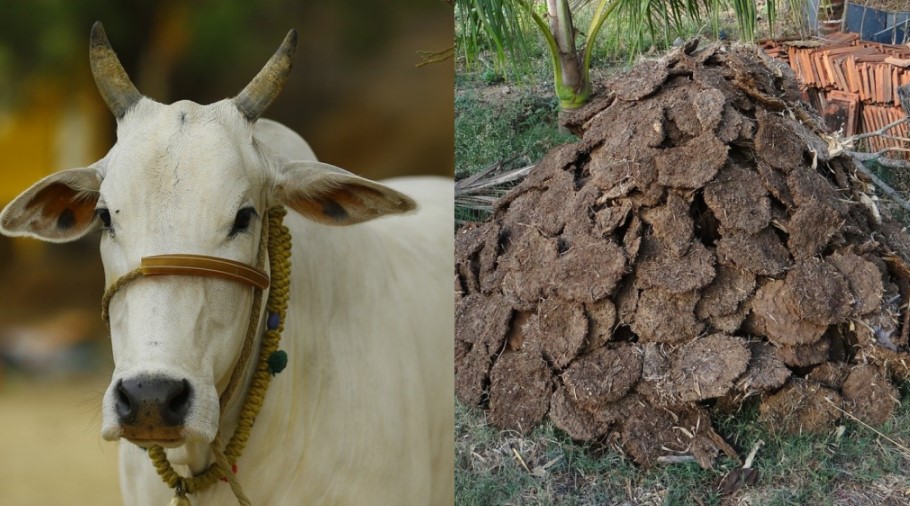
As the world continues to search for sustainable and eco-friendly energy alternatives, biogas produced from cow dung is emerging as a powerful and renewable energy source. This article explores the process of harnessing methane from cow dung, the benefits of this practice, and its potential to contribute to a more sustainable future.
Understanding Methane Production from Cow Dung
Methane is a potent greenhouse gas that can be captured and utilized as a clean energy source. It is produced naturally during the anaerobic digestion of organic matter, such as cow dung, by microorganisms. Anaerobic digestion is a biological process that occurs in the absence of oxygen, breaking down organic material and releasing methane, carbon dioxide, and other gases.
Cow dung is particularly rich in organic material, making it an ideal feedstock for biogas production. When collected and processed in a biogas digester, cow dung undergoes anaerobic digestion, resulting in the production of biogas—a mixture primarily composed of methane and carbon dioxide. This biogas can then be captured, stored, and used for various energy needs, such as cooking, heating, electricity generation, and even vehicle fuel.
The Process of Harnessing Methane from Cow Dung
1. Collection of Cow Dung: The first step is the collection of cow dung from livestock farms or dairies. This dung is usually mixed with water to create a slurry, which is easier to handle and process in a digester.
2. Anaerobic Digestion: The cow dung slurry is fed into an anaerobic digester, a sealed container where the digestion process takes place. Inside the digester, microorganisms break down the organic material in the dung, producing biogas and a nutrient-rich byproduct called digestate.
3. Biogas Collection: The biogas produced during anaerobic digestion is captured and stored in a gas holder or storage tank. The biogas typically contains 50-70% methane, making it an effective fuel source.
- Gas monitoring: Biogas analyzers, such as the GASCHEK1000 portable biogas analyzer, use advanced photoelectric sensing principles to detect and analyze methane (CH4), oxygen (O2), carbon dioxide (CO2), hydrogen sulfide (H2S) and other gases, and accurately report , while effectively checking the digestive process.

Portable Biogas Analyzer GasChek1000
5. Biogas Utilization: Once collected, the biogas can be used directly for cooking or heating, or it can be purified to produce biomethane, which can be used in vehicles or injected into natural gas pipelines. The leftover digestate can be used as an organic fertilizer, enriching soil and supporting sustainable agriculture.
Benefits of Harnessing Methane from Cow Dung
1. Renewable Energy Production: Biogas from cow dung is a renewable energy source that can replace conventional fossil fuels, reducing our reliance on non-renewable resources and contributing to energy security.
2. Reduction of Greenhouse Gas Emissions: By capturing methane that would otherwise be released into the atmosphere, biogas production helps mitigate climate change. Methane is a far more potent greenhouse gas than carbon dioxide, so capturing and utilizing it as an energy source has a significant positive impact on the environment.
3. Waste Management: Using cow dung for biogas production provides an effective way to manage livestock waste, reducing environmental pollution and the risk of water contamination.
4. Economic Opportunities: Biogas production can create economic opportunities for rural communities, providing an additional source of income through the sale of biogas and organic fertilizers. It also reduces the need for costly chemical fertilizers and fuels.
5. Improved Air Quality: Biogas is a clean-burning fuel that produces fewer pollutants than traditional biomass fuels like wood and charcoal. This helps improve air quality, particularly in rural areas where indoor air pollution from cooking with solid fuels is a significant health concern.
6. Sustainable Agriculture: The digestate produced as a byproduct of biogas production is a nutrient-rich fertilizer that can be used to enhance soil fertility and support sustainable farming practices. This not only improves crop yields but also reduces the need for synthetic fertilizers, further benefiting the environment.
Harnessing methane from cow dung is an innovative and sustainable solution to many of the energy and environmental challenges we face today. By turning agricultural waste into a valuable energy resource, biogas production not only provides a renewable source of energy but also supports waste management, reduces greenhouse gas emissions, and promotes sustainable agriculture. As the world continues to move towards a greener and more sustainable future, biogas from cow dung will undoubtedly play a crucial role in the global energy transition.
 Manufacturer of biogas analyzer, landfill gas analyzer and extraction monitor, anaerobic digester gas analyzer