
The search for sustainable energy solutions has led to innovative approaches that not only provide clean energy but also address waste management challenges. One such approach is anaerobic digestion, a process that turns organic waste into valuable biogas, a renewable energy source. This process, which occurs naturally in environments devoid of oxygen, is now harnessed in engineered systems to efficiently convert waste into energy, closing the loop in waste management and contributing to environmental sustainability.
Understanding Anaerobic Digestion
Anaerobic digestion is a biological process in which microorganisms break down organic materials in the absence of oxygen. This process takes place in an airtight container known as a digester, where a complex mix of bacteria works to decompose organic matter such as food waste, agricultural residues, manure, and sewage sludge. The process produces two primary outputs: biogas, which can be used as an energy source, and digestate, a nutrient-rich byproduct that can be used as a fertilizer.
The anaerobic digestion process can be broken down into four key stages:
- 1. Hydrolysis: The first stage involves breaking down complex organic molecules like carbohydrates, proteins, and fats into simpler molecules such as sugars, amino acids, and fatty acids.
- 2. Acidogenesis: In this stage, the simple molecules produced in hydrolysis are further broken down by bacteria into volatile fatty acids, alcohols, hydrogen, and carbon dioxide.
- 3. Acetogenesis: The volatile fatty acids and alcohols are converted into acetic acid, hydrogen, and carbon dioxide by acetogenic bacteria.
- 4. Methanogenesis: In the final stage, methanogenic bacteria convert acetic acid, hydrogen, and carbon dioxide into methane (CH4) and carbon dioxide (CO2), producing biogas.
Biogas: The Renewable Energy Source
Biogas, the primary output of anaerobic digestion, is a mixture of gases primarily composed of methane (about 50-70%) and carbon dioxide (30-50%), along with trace amounts of other gases such as hydrogen sulfide. Methane is a potent energy carrier and can be used in various applications, including:
Electricity Generation: Biogas can be burned in combined heat and power (CHP) systems to produce electricity and heat, providing a renewable source of power for homes, businesses, and industries.
Heating: Biogas can be used directly for heating purposes in stoves, boilers, and furnaces, providing a clean alternative to fossil fuels like natural gas, coal, or oil.
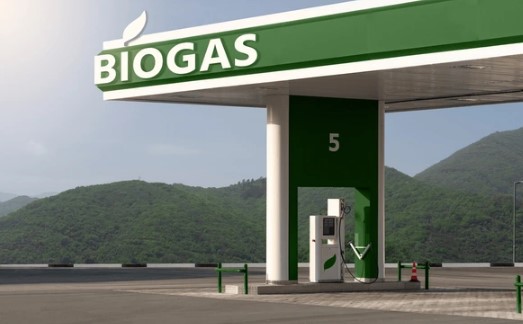
Transportation Fuel: Biogas can be upgraded to biomethane by removing impurities and carbon dioxide, making it suitable for use as a vehicle fuel in compressed natural gas (CNG) vehicles.
Cooking: In many rural and developing regions, biogas is used for cooking, replacing traditional fuels like firewood, charcoal, and kerosene, which contribute to deforestation, indoor air pollution, and health problems.
Digestate: The Organic Fertilizer
The second output of anaerobic digestion is digestate, a nutrient-rich slurry that can be used as an organic fertilizer to improve soil health and fertility. Digestate contains valuable nutrients such as nitrogen, phosphorus, and potassium, which are essential for plant growth. Using digestate as a fertilizer not only enhances crop yields but also reduces the need for chemical fertilizers, which can have harmful environmental impacts, such as water pollution and soil degradation.
Benefits of Anaerobic Digestion of Organic Waste
The anaerobic digestion of organic waste offers several key benefits:
1. Waste Management: Anaerobic digestion provides an effective way to manage organic waste, reducing the volume of waste that ends up in landfills or is incinerated. This helps prevent the release of methane—a potent greenhouse gas—from decomposing waste in landfills.
2. Renewable Energy Production: By converting organic waste into biogas, anaerobic digestion provides a renewable and sustainable energy source that can reduce dependence on fossil fuels and contribute to energy security.
3. Greenhouse Gas Reduction: Using biogas as an energy source helps reduce greenhouse gas emissions by displacing fossil fuels and capturing methane that would otherwise be released into the atmosphere.
4. Soil Health Improvement: The use of digestate as an organic fertilizer helps improve soil health and fertility, supporting sustainable agriculture and reducing the need for chemical fertilizers.
5. Economic Opportunities: Anaerobic digestion creates economic opportunities by providing a source of renewable energy and organic fertilizer, which can be sold or used to generate income for farmers, waste management facilities, and energy producers.
6. Environmental Protection: By reducing waste, producing renewable energy, and improving soil health, anaerobic digestion contributes to environmental protection and the sustainable use of natural resources.
By converting waste into valuable resources like biogas and digestate, this process contributes to a circular economy where waste is minimized, and resources are efficiently utilized. As the world continues to seek ways to reduce its environmental footprint and transition to a more sustainable energy future, anaerobic digestion is poised to play a crucial role in this green transformation.
 Manufacturer of biogas analyzer, landfill gas analyzer and extraction monitor, anaerobic digester gas analyzer