
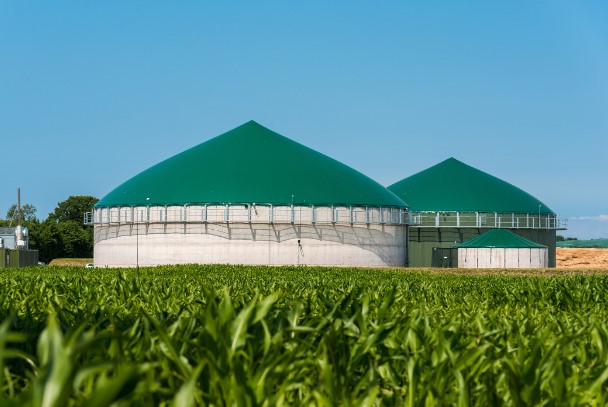
As the world continues to search for sustainable energy solutions, biogas production from organic waste has emerged as a promising alternative to fossil fuels. This eco-friendly process not only provides a renewable source of energy but also helps manage waste and reduce greenhouse gas emissions. In this article, we will explore how biogas from organic waste, the benefits it offers, and its role in creating a greener, more sustainable future.
What is Biogas?
Biogas is a type of biofuel that is produced through the anaerobic digestion of organic matter. This process occurs when microorganisms break down organic materials in the absence of oxygen, resulting in the production of a gas mixture primarily composed of methane (CH4) and carbon dioxide (CO2), along with trace amounts of other gases such as hydrogen sulfide (H2S). Methane, the main component of biogas, is a potent energy carrier and can be used for various applications, including electricity generation, heating, and as a vehicle fuel.
The Process of Producing Biogas from Organic Waste
1. Feedstock Collection:
The first step in biogas production is the collection of organic waste materials. These can include agricultural residues, food waste, animal manure, sewage sludge, and even certain types of industrial waste. The type and composition of the feedstock can influence the efficiency and quality of the biogas produced.
2. Pre-Treatment:
Depending on the type of waste, pre-treatment may be necessary to prepare the feedstock for digestion. This can involve processes such as chopping, grinding, or pulping the waste to increase the surface area and improve the digestion efficiency. In some cases, chemical or thermal treatments may also be applied to break down complex materials like lignocellulose.
3. Anaerobic Digestion:
The pre-treated feedstock is then fed into an anaerobic digester, a sealed and airtight tank where the digestion process takes place. Inside the digester, microorganisms break down the organic matter in the absence of oxygen. This process typically occurs in two stages:
Acidogenesis and Acetogenesis: In the first stage, the complex organic molecules are broken down into simpler compounds such as volatile fatty acids, alcohols, and hydrogen.
Methanogenesis: In the second stage, these simpler compounds are further broken down by methanogenic bacteria into methane, carbon dioxide, and water.
The digestion process can take several weeks to complete, depending on factors such as temperature, feedstock type, and digester design. The biogas produced during digestion is collected and stored in a gas holder or storage tank.
4. Biogas Cleaning and Conditioning:
Raw biogas may contain impurities such as water vapor, hydrogen sulfide, and siloxanes that need to be removed before the gas can be used. This is done through a series of cleaning and conditioning processes, including moisture removal, desulfurization, and filtration.
5. Biogas Utilization:
Once cleaned, the biogas can be used for various energy applications. It can be burned in a biogas stove for cooking, used in a combined heat and power (CHP) system to generate electricity and heat, or upgraded to biomethane and injected into the natural gas grid or used as a vehicle fuel.
6. Digestate Management:
The byproduct of the anaerobic digestion process is known as digestate, a nutrient-rich slurry that can be used as a high-quality organic fertilizer. This helps close the nutrient loop by returning valuable nutrients to the soil, enhancing crop yields and reducing the need for chemical fertilizers.

Benefits of Producing Biogas from Organic Waste
Biogas production from organic waste offers numerous environmental, economic, and social benefits:
1. Waste Management:
Biogas production provides an effective solution for managing organic waste, reducing the volume of waste that ends up in landfills or is incinerated. This helps prevent the release of methane—a potent greenhouse gas—into the atmosphere and reduces the environmental impact of waste disposal.
2. Renewable Energy Source:
Biogas is a renewable source of energy that can be produced from locally available organic waste materials. This makes it a sustainable and reliable alternative to fossil fuels, contributing to energy security and reducing dependence on non-renewable resources.
3. Greenhouse Gas Mitigation:
By capturing methane from organic waste and using it as an energy source, biogas production helps reduce greenhouse gas emissions. The use of biogas also results in lower carbon dioxide emissions compared to fossil fuels, further contributing to climate change mitigation.
4. Soil Health Improvement:
The use of digestate as fertilizer improves soil health by adding organic matter and nutrients, enhancing soil structure, and promoting sustainable agricultural practices. This helps increase crop yields and reduces the need for chemical fertilizers, which can have negative environmental impacts.
5. Energy Independence:
Biogas production allows communities to generate their own energy from locally sourced waste materials, reducing reliance on imported fuels and enhancing energy independence.
As the world moves towards a more sustainable energy future, biogas has the potential to play a significant role in reducing greenhouse gas emissions, managing waste, and providing clean, renewable energy. Continued innovation and investment in biogas technology will help unlock its full potential, paving the way for a greener, more sustainable future.
 Manufacturer of biogas analyzer, landfill gas analyzer and extraction monitor, anaerobic digester gas analyzer