

Access to clean and reliable energy is a critical factor for improving the quality of life in rural areas. However, many rural communities around the world still rely on traditional biomass, such as wood or dung, for cooking and heating, which can lead to deforestation, indoor air pollution, and adverse health effects. Small biogas plants offer an innovative and sustainable solution to these challenges by converting organic waste into clean energy, providing a reliable and eco-friendly source of power for rural households.
What is a Small Biogas Plant?
A small biogas plant is a system that converts organic waste materials, such as agricultural residues, animal manure, and kitchen scraps, into biogas through the process of anaerobic digestion. The biogas produced can be used for cooking, heating, and lighting, while the byproduct, known as digestate, can be used as an organic fertilizer to enhance soil fertility.
These plants are designed to be simple, cost-effective, and suitable for small-scale use, making them ideal for rural households, small farms, and community projects. They typically consist of a digester tank, a gas storage unit, and a biogas stove or burner.
How Small Biogas Plants Work
1. Feedstock Collection:
Organic waste, such as animal manure, crop residues, and food scraps, is collected and prepared for digestion. The feedstock should be chopped or crushed to increase the surface area and improve the efficiency of the digestion process.
2. Anaerobic Digestion:
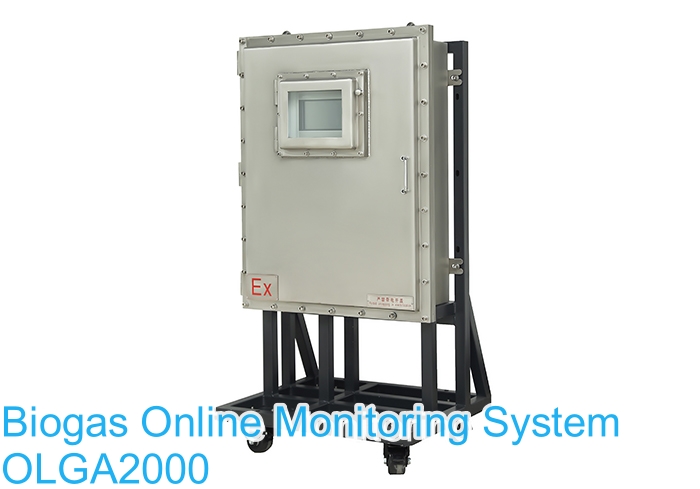
The prepared feedstock is fed into an anaerobic digester, where it undergoes microbial decomposition in the absence of oxygen. The digester is a sealed, airtight tank that provides a controlled environment for the bacteria to break down the organic material. The digestion process typically takes several weeks and results in the production of biogas, which is a mixture of methane (CH4), carbon dioxide (CO2), and trace amounts of other gases. During the biogas production process, a biogas analyzer is needed to monitor the composition of the biogas. For example, the OLGA2000 biogas online monitoring system uses advanced photoelectric sensing principles to detect and analyze methane (CH4), oxygen (O2), carbon dioxide (CO2), hydrogen sulfide (H2S) and other gases.
3. Biogas Storage:
The biogas produced in the digester is collected and stored in a gas holder or storage tank. This gas can be used on demand for various energy needs, such as cooking or heating. Small biogas plants often include a simple gas distribution system that connects the gas storage to the biogas stove or burner.
4. Digestate Utilization:
The remaining material in the digester, known as digestate, is rich in nutrients and can be used as an organic fertilizer. This helps close the nutrient loop by returning valuable nutrients to the soil, enhancing crop yields and reducing the need for chemical fertilizers.
Benefits of Small Biogas Plants for Rural Communities
1. Access to Clean Energy:
Biogas provides a clean and reliable source of energy for cooking, heating, and lighting, reducing dependence on traditional biomass and fossil fuels. This helps improve indoor air quality and reduces the health risks associated with smoke and soot from open fires.
2. Waste Management:
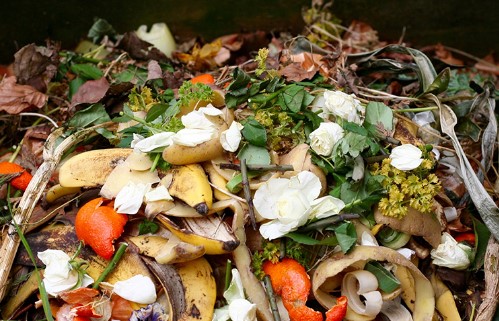
By converting organic waste into biogas, small biogas plants help manage waste effectively, reducing the environmental impact of waste disposal and preventing the release of methane—a potent greenhouse gas—into the atmosphere.
3. Economic Savings:
Rural households can save money by using biogas as a substitute for purchased cooking fuels like firewood, charcoal, or kerosene. Additionally, the use of digestate as fertilizer can reduce the cost of agricultural inputs, further enhancing economic benefits.
4. Environmental Protection:
The use of biogas helps reduce deforestation by decreasing the demand for firewood and charcoal. It also mitigates greenhouse gas emissions by capturing methane and using it as an energy source, contributing to climate change mitigation.
5. Energy Security:
Small biogas plants provide energy independence by enabling rural households to generate their own energy from locally available resources. This enhances energy security and resilience in the face of fluctuating fuel prices or supply disruptions.
6. Empowerment and Education:
Implementing small biogas plants can empower rural communities by providing them with the knowledge and skills to manage their own energy production. It also offers educational opportunities, particularly for women and youth, who can be involved in the operation and maintenance of the plants.
The Future of Small Biogas Plants
As the global demand for sustainable and decentralized energy solutions grows, small biogas plants are likely to play an increasingly important role in meeting the energy needs of rural communities. Continued innovation, coupled with supportive policies and financing mechanisms, will help expand the adoption of biogas technology and unlock its full potential as a tool for rural development and environmental sustainability.
By turning waste into a valuable resource, small biogas plants not only provide clean energy but also contribute to a more sustainable and resilient future for rural communities around the world.
 Manufacturer of biogas analyzer, landfill gas analyzer and extraction monitor, anaerobic digester gas analyzer