
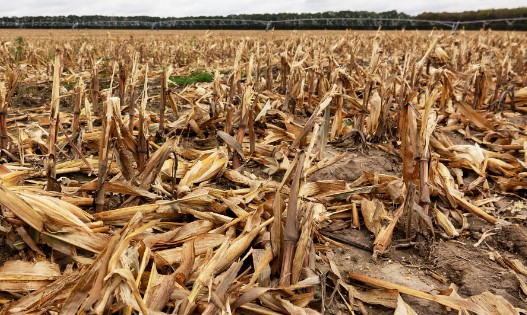
The increasing amount of organic waste generated worldwide poses significant environmental and waste management challenges. However, this so-called “trash” can be transformed into a valuable resource through the process of biogas production. Biogas, a renewable energy source, is produced by breaking down organic waste in an anaerobic (oxygen-free) environment. This process not only provides a sustainable solution to waste management but also contributes to the generation of clean energy.
Understanding the Biogas Production Process
Biogas production from organic waste involves several key stages:
1. Collection and Pre-treatment of Organic Waste:
The first step in the biogas production process is the collection of organic waste, which can include kitchen scraps, agricultural residues, animal manure, and other biodegradable materials. Before the waste is fed into the digester, it often undergoes pre-treatment to remove any non-biodegradable contaminants such as plastics, metals, and stones. This pre-treatment step is crucial for ensuring the efficiency and longevity of the biogas plant.

2. Anaerobic Digestion:
Once the organic waste is prepared, it is introduced into an anaerobic digester—a sealed, oxygen-free tank. Inside the digester, microorganisms break down the organic material through a series of biochemical processes. This digestion process typically occurs in four stages:
Hydrolysis: Large organic molecules, such as carbohydrates, proteins, and fats, are broken down into simpler molecules like sugars, amino acids, and fatty acids.
Acidogenesis: The products of hydrolysis are further broken down into volatile fatty acids, alcohols, hydrogen, and carbon dioxide.
Acetogenesis: Volatile fatty acids are converted into acetic acid, along with more hydrogen and carbon dioxide.
Methanogenesis: Methanogenic bacteria convert acetic acid, hydrogen, and carbon dioxide into biogas, which primarily consists of methane (CH4) and carbon dioxide (CO2).
3. Biogas Collection:
The biogas produced in the digester is collected and stored for further use. Since biogas is lighter than air, it naturally rises to the top of the digester and can be captured easily. The gas can then be purified to remove impurities like hydrogen sulfide (H2S) and moisture, making it suitable for various applications. It is necessary to monitor the composition of biogas. For example, the OLGA2000 biogas online monitoring system uses advanced photoelectric sensing principles to detect methane (CH4), oxygen (O2), carbon dioxide (CO2), hydrogen sulfide (H2S), etc. It can be widely used in gas monitoring in landfill biogas power plants, petrochemical industry, coal mines and other scenarios, and can realize remote data transmission.

4. Utilization of Biogas:
Purified biogas can be used in several ways, making it a versatile and valuable resource:
Energy Production: Biogas can be used to generate electricity and heat, either on-site or fed into the grid.
Cooking and Heating: Biogas can be burned directly in stoves and heaters, providing a clean and efficient energy source for cooking and heating.
Transportation Fuel: Upgraded biogas, known as biomethane, can be compressed and used as a renewable alternative to natural gas in vehicles.
5. Digestate Management:
The byproduct of the anaerobic digestion process is a nutrient-rich slurry known as digestate. This material can be further processed and used as organic fertilizer in agriculture, helping to close the nutrient loop and improve soil health.
Environmental and Economic Benefits
The production of biogas from organic waste offers numerous environmental and economic benefits:
Waste Reduction: Biogas production helps divert organic waste from landfills, reducing the volume of waste and the associated environmental impacts, such as methane emissions and groundwater contamination.
Renewable Energy: Biogas is a renewable source of energy that can replace fossil fuels, contributing to the reduction of greenhouse gas emissions and helping to mitigate climate change.
Nutrient Recycling: The use of digestate as fertilizer recycles valuable nutrients back into the soil, reducing the need for chemical fertilizers and improving agricultural sustainability.
Energy Security: By producing energy locally from waste materials, communities can reduce their dependence on imported fossil fuels and enhance their energy security.
Economic Opportunities: Biogas production creates jobs in waste management, agriculture, and energy production, providing economic benefits to local communities.
Looking ahead, the future of biogas production from organic waste is promising. Technological advancements, increased investment, and supportive policies will continue to drive the growth of this sustainable energy source. As more communities and industries recognize the value of turning waste into wealth, biogas will play an increasingly important role in creating a cleaner, greener, and more sustainable future.
 Manufacturer of biogas analyzer, landfill gas analyzer and extraction monitor, anaerobic digester gas analyzer