

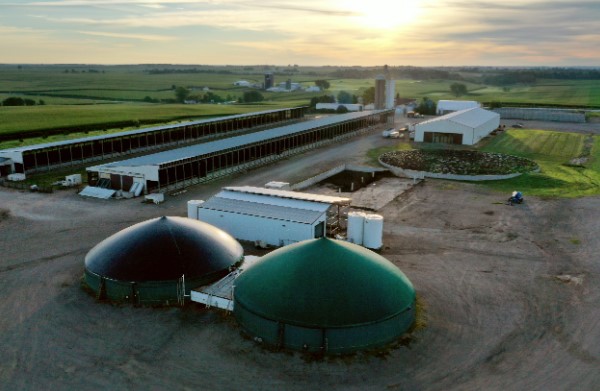
Methane digesters, also known as anaerobic digesters, are an innovative solution for converting organic waste into biogas. This biogas can be used as a renewable energy source for cooking, heating, and electricity generation. As interest in sustainable living and renewable energy grows, more people are looking to invest in methane digesters. However, understanding the costs and finding the best value can be challenging. This article provides a comprehensive comparison of methane digester costs and offers guidance on finding the best value for your investment.
Factors Influencing Methane Digester Costs
1. Size and Capacity:
Small-Scale Digesters: Suitable for households or small farms, these digesters have a lower capacity and are generally more affordable. Prices can range from $500 to $5,000.
Medium-Scale Digesters: Ideal for larger farms or small communities, these units can handle a higher volume of waste. Costs typically range from $5,000 to $50,000.
Large-Scale Digesters: Designed for industrial applications or large communities, these digesters have the highest capacity and are the most expensive, with prices ranging from $50,000 to several million dollars.
2. Materials and Construction:
Plastic or Fiberglass Digesters: These are lightweight, corrosion-resistant, and relatively inexpensive. They are suitable for small to medium-scale applications.
Concrete Digesters: More durable and long-lasting, concrete digesters are typically used for medium to large-scale operations. They are more expensive due to higher material and construction costs.
Steel Digesters: These offer high strength and durability but can be prone to corrosion. They are often used in large-scale industrial applications and have a higher cost.
3. Technology and Features:
Basic Digesters: Simple designs with minimal features are the most affordable. They rely on manual feeding and have basic gas collection systems.
Automated Digesters: These units include automated feeding, mixing, and monitoring systems, which improve efficiency but increase the overall cost.
Advanced Digesters: Featuring state-of-the-art technology such as real-time monitoring, temperature control, and advanced gas purification systems, these digesters offer the highest efficiency but come with a premium price.
4. Installation and Maintenance:
Installation Costs: These can vary significantly depending on the complexity of the system and the site conditions. Professional installation is recommended for larger or more complex systems.
Maintenance Costs: Regular maintenance is essential for optimal performance and longevity. Maintenance costs will depend on the size and complexity of the digester.
5. Location and Regulations:
Local regulations and permitting requirements can impact the overall cost of installing a methane digester. It’s essential to check with local authorities and factor in any additional costs for compliance.
Finding the Best Value
1. Assess Your Needs:
Determine the volume and type of organic waste you produce. This will help you choose the appropriate size and type of digester for your needs. Overestimating or underestimating your capacity requirements can lead to unnecessary costs or inefficiencies.
2. Evaluate Long-Term Savings:
While the initial cost is an important factor, consider the long-term savings from reduced energy bills and waste disposal costs. Calculate the payback period to understand the financial benefits over time.
3. Consider Quality and Durability:
Investing in a higher-quality digester may have a higher upfront cost but can result in lower maintenance and replacement costs in the long run. Consider the lifespan and warranty of the digester when making your decision.
4. Compare Suppliers and Options:
Obtain quotes from multiple suppliers and compare the features, costs, and after-sales support they offer. Look for suppliers with a proven track record and positive customer reviews.
5. Explore Financing and Incentives:
Look into financing options, government grants, and incentives for renewable energy projects. These can significantly reduce the financial burden and improve the overall value of your investment.
6. Plan for Future Expansion:
If you anticipate an increase in organic waste production in the future, consider investing in a scalable system that can be expanded as needed. This can save you from having to invest in a new system later on.
Conclusion
Finding the best value when investing in a methane digester involves considering various factors, including size, materials, technology, installation, and maintenance costs. By carefully assessing your needs, evaluating long-term savings, and comparing options, you can make an informed decision that maximizes the benefits of this sustainable energy solution. Investing in a methane digester not only helps reduce waste and greenhouse gas emissions but also provides a renewable source of energy that can lead to significant cost savings and environmental benefits over time.
 Manufacturer of biogas analyzer, landfill gas analyzer and extraction monitor, anaerobic digester gas analyzer