
As the world continues to seek sustainable and renewable energy sources, the conversion of landfill gas and biogas into energy presents a compelling solution. These gases, which are produced from the decomposition of organic matter, can be harnessed to generate electricity, heat, and fuel, significantly reducing greenhouse gas emissions and providing a reliable source of renewable energy. This article delves into the processes, benefits, and challenges of converting landfill gas and biogas into energy.
Understanding Landfill Gas and Biogas
Landfill Gas (LFG):
Landfill gas is produced by the natural decomposition of organic waste in landfills. It is primarily composed of methane (CH4) and carbon dioxide (CO2), with trace amounts of other gases. Methane is a potent greenhouse gas, making the capture and utilization of landfill gas crucial for mitigating climate change.
Biogas:
Biogas is generated through the anaerobic digestion of organic materials such as agricultural waste, manure, municipal solid waste, sewage, green waste, and food waste. Like landfill gas, biogas mainly consists of methane and carbon dioxide. It is produced in controlled environments like anaerobic digesters or naturally in landfills.
The Process of Converting Landfill Gas and Biogas into Energy
1. Collection:
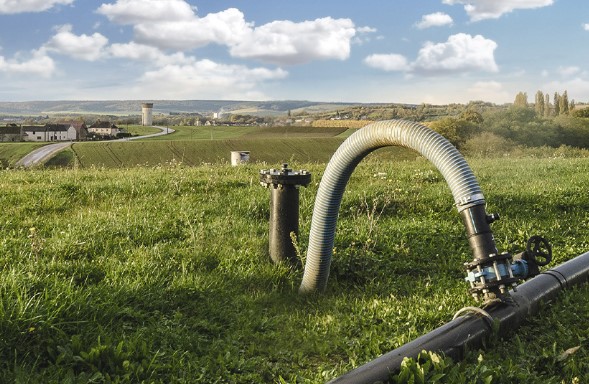
Landfill Gas: LFG is collected using a series of wells drilled into the landfill. These wells are connected by a network of pipes that transport the gas to a central collection point. Vacuum pumps are used to draw the gas from the wells.
Biogas: In anaerobic digesters, organic waste is fed into a sealed tank where bacteria break down the material in the absence of oxygen, producing biogas. The biogas is then collected and stored.
2. Purification:
Both landfill gas and biogas contain impurities that must be removed before the gas can be used for energy production. This purification process involves removing moisture, hydrogen sulfide, siloxanes, and other contaminants to produce a clean, high-quality gas.
3. Utilization:
Electricity Generation: Cleaned gas can be used to fuel internal combustion engines, gas turbines, or microturbines to generate electricity. This electricity can be used on-site or fed into the grid.
Heat Production: Biogas can be burned directly in boilers or combined heat and power (CHP) systems to produce heat for industrial processes, space heating, or district heating systems.
Fuel: Purified biogas, known as biomethane, can be compressed and used as a vehicle fuel or injected into the natural gas grid for use in homes and businesses.

Benefits of Converting Landfill Gas and Biogas into Energy
1. Renewable Energy Source:
Both landfill gas and biogas are renewable energy sources that can be continuously replenished through the natural decomposition of organic matter.
2. Greenhouse Gas Reduction:
Capturing and utilizing methane from landfills and anaerobic digesters prevents its release into the atmosphere, significantly reducing greenhouse gas emissions and mitigating climate change.
3. Waste Management:
Converting organic waste into energy provides an effective waste management solution, reducing the volume of waste in landfills and the associated environmental impacts.
4. Energy Independence:
Producing energy locally from waste materials reduces reliance on fossil fuels and enhances energy security for communities and industries.
5. Economic Benefits:
Biogas projects create jobs in the construction, operation, and maintenance of biogas plants. They also generate revenue from the sale of electricity, heat, and biomethane.
Challenges and Solutions
1. High Initial Costs:
The initial investment required for biogas plants and landfill gas collection systems can be high. However, various financing options, government incentives, and subsidies can help offset these costs.
2. Technical Expertise:
The successful operation of biogas and landfill gas systems requires technical expertise. Providing training and capacity-building programs can ensure the availability of skilled personnel.
3. Variability in Gas Production:
The quantity and quality of gas produced can vary depending on the type of waste and environmental conditions. Implementing robust monitoring and control systems can help manage this variability. For example, the OLGA2000 biogas online monitoring system uses advanced photoelectric sensing principles to detect and analyze methane (CH4), oxygen (O2), carbon dioxide (CO2), hydrogen sulfide (H2S) and other gases.

biogas online monitoring system OLGA2000
The conversion of landfill gas and biogas into energy represents a significant opportunity to harness renewable energy, reduce greenhouse gas emissions, and manage waste effectively. By investing in the necessary infrastructure and addressing the associated challenges, we can unlock the full potential of this sustainable energy source. As technology advances and awareness grows, the role of landfill gas and biogas in the global energy landscape will continue to expand, contributing to a greener and more sustainable future.
 Manufacturer of biogas analyzer, landfill gas analyzer and extraction monitor, anaerobic digester gas analyzer