
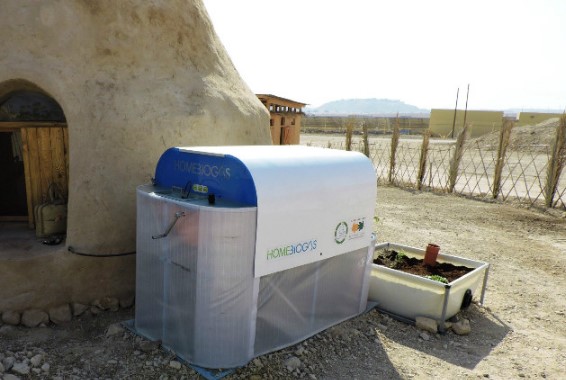
With the growing emphasis on renewable energy and sustainable living, setting up an anaerobic biogas digester at home has become an attractive option for many households. A home biogas digester transforms organic waste into biogas and nutrient-rich digestate, providing a source of clean energy and reducing household waste. This guide will walk you through the essential steps and considerations for setting up an anaerobic biogas digester at home.
Benefits of a Home Biogas Digester
1. Renewable Energy Production:
Produces biogas, which can be used for cooking, heating, and even electricity generation.
2. Waste Reduction:
Converts kitchen scraps, garden waste, and animal manure into valuable resources, reducing landfill waste.
3. Organic Fertilizer:
Generates digestate, a nutrient-rich fertilizer that can improve soil health and boost plant growth.
4. Environmental Benefits:
Reduces greenhouse gas emissions by capturing methane that would otherwise be released into the atmosphere from decomposing organic waste.

Key Components of an Anaerobic Biogas Digester
1. Digester Tank:
A sealed container where anaerobic digestion takes place. It can be made of materials like plastic, concrete, or metal.
2. Inlet and Outlet Pipes:
The inlet pipe is used to add organic waste into the digester, while the outlet pipe allows the removal of digestate.
3. Gas Storage:
A storage system for the biogas produced. This can be an integrated part of the digester or a separate gas holder.
4. Mixing Mechanism:
Ensures that the waste is evenly distributed inside the digester, enhancing the efficiency of the digestion process.
5. Pressure Release Valve:
Maintains safe pressure levels inside the digester to prevent over-pressurization.
Steps to Set Up a Home Biogas Digester
1. Assess Your Waste Production:
Determine the amount and type of organic waste your household generates. This will help you choose the appropriate size and type of digester.
2. Choose the Right Digester:
Select a digester that suits your needs. There are various models available, from small, portable units to larger, more permanent installations.
3. Site Selection:
Choose a suitable location for your digester. It should be close to the source of organic waste and have good access to sunlight (for solar-heated models). Ensure it’s placed on a stable, level surface.
4. Install the Digester:
Follow the manufacturer’s instructions to install the digester. This typically involves assembling the tank, connecting the inlet and outlet pipes, and setting up the gas storage system.
5. Feed the Digester:
Start by adding a mix of organic waste and water into the digester. Gradually increase the amount of waste as the bacterial population inside the digester grows.
6. Monitor and Maintain:
Regularly check the digester’s performance. Monitor the pH level, temperature, and gas production rate. Ensure the digester is kept airtight to maintain anaerobic conditions. Such as the GASCHEK1000 portable biogas analyzer, use advanced photoelectric sensing principles to detect and analyze methane (CH4), oxygen (O2), carbon dioxide (CO2), hydrogen sulfide (H2S) and other gases, and accurately report , while effectively checking the digestive process.
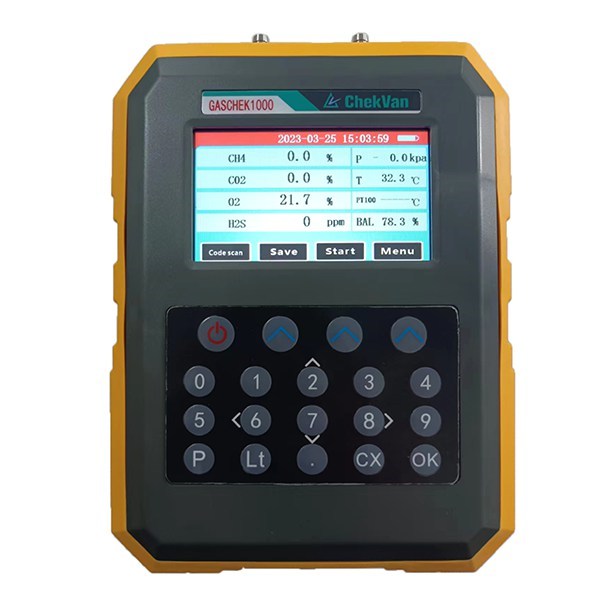
portable biogas analyzer GASCHEK1000
Tips for Efficient Biogas Production
1. Balance the Input:
Maintain a balance between carbon-rich (brown) and nitrogen-rich (green) waste. Common carbon-rich materials include leaves and paper, while nitrogen-rich materials include kitchen scraps and manure.
2. Optimal Temperature:
Biogas production is most efficient at temperatures between 35°C and 40°C (95°F to 104°F). Consider insulating the digester or using solar heating to maintain this temperature range.
3. Regular Feeding:
Add organic waste regularly to keep the digester active. Avoid overloading the digester with too much waste at once.
4. Mixing:
Periodically stir the contents of the digester to ensure even decomposition and prevent the formation of a scum layer.
5. pH Balance:
Maintain a pH level between 6.8 and 7.2. If the pH drops below this range, add alkaline substances like lime to balance it out.
Setting up an anaerobic biogas digester at home is a practical and environmentally friendly way to manage organic waste and produce renewable energy. By following the steps outlined in this guide and maintaining your system effectively, you can enjoy the benefits of clean energy, reduced waste, and nutrient-rich fertilizer. Embracing this sustainable technology contributes to a greener future and helps foster a culture of resourcefulness and environmental stewardship.
 Manufacturer of biogas analyzer, landfill gas analyzer and extraction monitor, anaerobic digester gas analyzer