
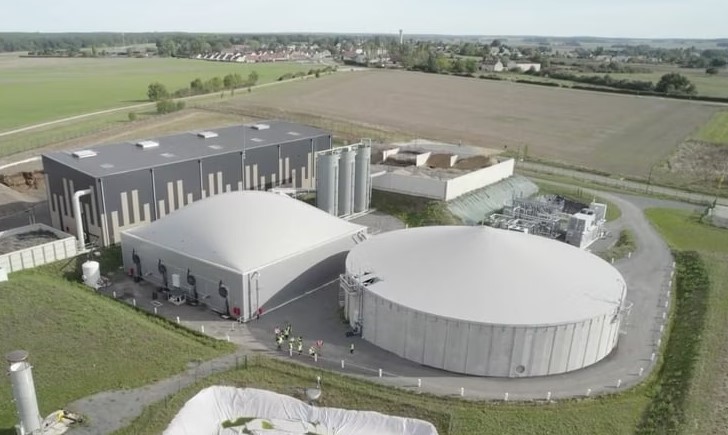
As the world grapples with the pressing need for sustainable energy solutions, Engie Biogas stands out as a pivotal player in the renewable energy sector. Engie, a global leader in energy services, has committed to developing biogas projects that contribute significantly to sustainable development. This article explores the multifaceted impact of Engie Biogas on sustainable development, focusing on environmental, economic, and social dimensions.
Environmental Impact
1. Reduction in Greenhouse Gas Emissions:
Biogas production is a potent tool for mitigating climate change. By converting organic waste into biogas, Engie Biogas helps capture methane, a greenhouse gas that is significantly more potent than carbon dioxide. This reduction in methane emissions contributes to lower overall greenhouse gas levels in the atmosphere.
2. Waste Management:
Engie Biogas projects provide a sustainable solution for waste management. By utilizing agricultural residues, animal manure, and organic waste from households and industries, these projects prevent the accumulation of waste in landfills. This not only reduces environmental pollution but also mitigates the leaching of harmful substances into soil and water bodies.
3. Soil Health:
The anaerobic digestion process used in biogas production results in a nutrient-rich byproduct called digestate. Engie Biogas promotes the use of this digestate as an organic fertilizer, enhancing soil health and reducing the need for chemical fertilizers, which can have adverse environmental effects.

Economic Impact
1. Job Creation:
Engie Biogas projects create employment opportunities across various stages, including construction, operation, and maintenance of biogas plants. This employment generation is particularly beneficial in rural areas, where job opportunities may be limited.
2. Energy Cost Savings:
Biogas is a cost-effective alternative to traditional fossil fuels. By providing a local, renewable source of energy, Engie Biogas helps reduce energy costs for households, industries, and agricultural operations. This can lead to significant economic savings over time.
3. Revenue Generation:
Engie Biogas projects can generate revenue through the sale of biogas and byproducts such as digestate. This creates additional income streams for farmers and businesses involved in the biogas supply chain, contributing to local economic development.
Social Impact
1. Energy Access:
One of the critical social benefits of Engie Biogas projects is improved energy access. In many developing regions, access to reliable and clean energy sources is a significant challenge. By providing a sustainable source of biogas, Engie helps communities achieve energy independence and enhances their quality of life.
2. Health Benefits:
Biogas as a cooking fuel reduces indoor air pollution, a common issue with traditional biomass fuels like wood and charcoal. This shift can significantly reduce respiratory illnesses and other health problems associated with smoke inhalation.
3. Community Empowerment:
Engie Biogas projects often involve local communities in their planning and operation. This community engagement fosters a sense of ownership and empowerment, encouraging sustainable practices and enhancing social cohesion.
Technological and Infrastructural Impact
1. Innovation and Research:
Engie Biogas invests in research and development to improve biogas production technologies and processes. Innovations in this field can lead to more efficient and scalable biogas systems, making renewable energy accessible to a broader population.
2. Infrastructure Development:
Biogas projects require the development of infrastructure such as biogas plants, storage facilities, and distribution networks. These infrastructural investments not only support the biogas industry but also contribute to overall regional development.
Engie Biogas is playing a crucial role in advancing sustainable development through its comprehensive biogas projects. By addressing environmental challenges, fostering economic growth, and enhancing social well-being, Engie Biogas exemplifies the transformative potential of renewable energy. As the world moves towards a more sustainable future, the impact of Engie Biogas on sustainable development will continue to be a testament to the power of innovation and commitment in the energy sector.
 Manufacturer of biogas analyzer, landfill gas analyzer and extraction monitor, anaerobic digester gas analyzer