

As the world increasingly turns towards sustainable and renewable energy solutions, home biogas systems have emerged as a practical and environmentally friendly option for households. These systems convert organic waste into biogas, which can be used for cooking, heating, and even electricity generation. However, a key consideration for many potential users is the cost. This article provides a comprehensive breakdown of home biogas prices, highlighting the factors that influence costs and the benefits that make these systems a worthwhile investment.
What is Home Biogas?
Home biogas systems are small-scale anaerobic digesters designed for residential use. They process organic waste, such as kitchen scraps, animal manure, and agricultural residues, to produce biogas and a nutrient-rich slurry called digestate. The biogas can be used as a clean energy source, while the digestate serves as an organic fertilizer.
Breakdown of Home Biogas System Costs
1. Initial Purchase and Installation Costs:
System Cost:
The price of a home biogas system can vary significantly based on the size, design, and technology used. Basic models for small households may start at around $300 to $500, while more advanced systems with larger capacities and additional features can range from $800 to $2,500 or more.
Installation Fees:
Installation costs depend on the complexity of the setup and whether professional help is required. While some systems are designed for easy DIY installation, others might need professional assistance, which can add $200 to $500 to the overall cost.
Site Preparation:
Preparing the site for a biogas system might involve additional expenses, such as constructing a concrete base or ensuring proper drainage. These costs can vary but typically range from $100 to $300.
2. Operational and Maintenance Costs:
Feedstock:
The main operating cost for a biogas system is the feedstock. However, many households use organic waste they already produce, such as kitchen scraps and yard waste, which essentially makes this cost negligible.
Maintenance:
Regular maintenance is crucial for the efficient operation of a biogas system. This includes periodic cleaning, checking for leaks, and ensuring the proper functioning of components. Annual maintenance costs are generally low, around $50 to $100.
Replacement Parts:
Over time, some parts of the biogas system may need replacement, such as rubber seals or gas pipes. These costs are typically low, ranging from $20 to $50 annually.
3. Additional Features:
Gas Storage:
Some biogas systems come with integrated gas storage solutions, while others may require additional storage tanks. The cost of a gas storage tank can range from $100 to $300, depending on capacity.
Gas Utilization Equipment:
If you plan to use the biogas for specific applications like cooking or heating, you might need to invest in biogas-compatible stoves or burners. These can cost anywhere from $50 to $200.
Gas Monitoring
During the biogas production process, a biogas analyzer is needed to monitor the composition of the biogas. For example, the OLGA2000 biogas online monitoring system uses advanced photoelectric sensing principles to detect and analyze methane (CH4), oxygen (O2), carbon dioxide (CO2), hydrogen sulfide (H2S) and other gases.
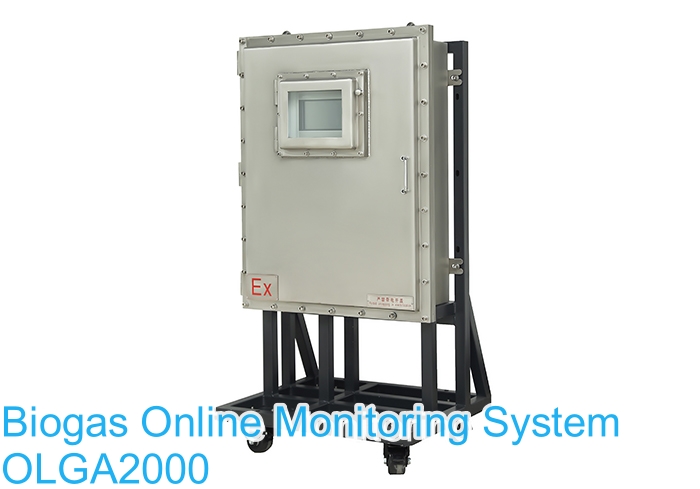
Biogas online monitoring system OLGA2000
Factors Influencing Home Biogas Prices
1. System Capacity:
Larger systems capable of processing more waste and producing more biogas will generally cost more. It’s essential to choose a system that matches your household’s waste production and energy needs to ensure cost-effectiveness.
2. Technology and Design:
Advanced biogas systems with features such as automatic feedstock loading, temperature control, and enhanced gas storage will be more expensive. However, these features can improve efficiency and ease of use, potentially offering better long-term value.
3. Geographic Location:
The cost of home biogas systems can vary by region due to differences in material costs, labor rates, and availability of professional services. Local incentives or subsidies for renewable energy projects can also impact the overall cost.
4. Brand and Quality:
Reputable brands with a track record of reliability and efficiency may charge a premium for their products. Investing in a high-quality system can lead to lower maintenance costs and a longer lifespan.
Conclusion
While the initial costs of installing a home biogas system might seem substantial, the long-term benefits and savings make it a worthwhile investment. By carefully considering the factors that influence costs and choosing a system that fits your needs, you can harness the power of biogas to create a sustainable and cost-effective energy solution for your home. As awareness of renewable energy grows, home biogas systems are set to play an increasingly vital role in achieving a greener future.
 Manufacturer of biogas analyzer, landfill gas analyzer and extraction monitor, anaerobic digester gas analyzer