
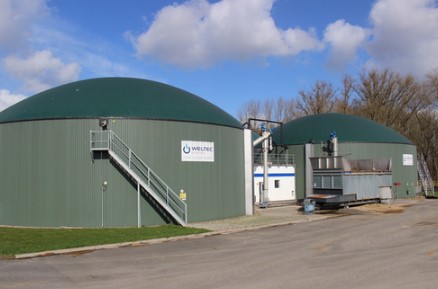
As the world continues to seek out sustainable and renewable energy solutions, mini biogas plants are emerging as a practical and efficient option for small spaces. These compact systems can transform organic waste into valuable biogas, providing an eco-friendly energy source that is particularly suitable for households, small farms, and urban settings. Here’s an in-depth look at how mini biogas plants are revolutionizing energy production and waste management in limited spaces.
What Are Mini Biogas Plants?
Mini biogas plants are small-scale anaerobic digesters designed to convert organic waste, such as kitchen scraps, garden waste, and animal manure, into biogas. This biogas can be used for cooking, heating, or generating electricity. The process also produces a nutrient-rich byproduct known as digestate, which can be used as a natural fertilizer.
Benefits of Mini Biogas Plants
1. Environmental Sustainability
Waste Reduction:
Mini biogas plants help in reducing the amount of organic waste that ends up in landfills. By converting this waste into biogas, these plants significantly reduce methane emissions, which are a major contributor to climate change.
Renewable Energy:
Biogas produced from organic waste is a renewable energy source. Unlike fossil fuels, biogas does not deplete natural resources and can be produced continuously as long as there is a supply of organic waste.
2. Economic Advantages
Cost Savings:
Households and small businesses can save money on energy bills by producing their own biogas. The initial investment in a mini biogas plant is often offset by the long-term savings on fuel costs.
Income Generation:
Surplus biogas can be sold, and the digestate byproduct can be used or sold as a high-quality fertilizer. This creates potential income streams for households and small farmers.
3. Health and Safety Improvements
Reduced Indoor Air Pollution:
Traditional cooking methods using firewood and charcoal produce harmful smoke and pollutants. Biogas burns cleanly, reducing indoor air pollution and associated health risks, particularly respiratory problems.
Safety:
Biogas is a safer alternative to kerosene and other flammable liquids. Properly managed mini biogas plants minimize the risk of accidental fires and explosions.
4. Ease of Implementation and Operation
Space Efficiency:
Mini biogas plants are designed to fit into small spaces, making them ideal for urban settings, small farms, and individual households. They require less land and infrastructure compared to larger biogas plants.
Simple Technology:
These systems are relatively simple to install and operate. They typically require minimal maintenance and can be managed with basic training, making them accessible to a wide range of users.
How to Set Up a Mini Biogas Plant
1. Site Selection:
Choose a suitable location for the biogas plant. It should be close to the source of organic waste and have adequate space for the digester and gas storage. Ensure proper ventilation and safety measures are in place.
2. System Selection:
There are various types of mini biogas plants available, including fixed dome, floating drum, and portable digesters. Select a system that fits your space, budget, and energy needs.
3. Installation:
Follow the manufacturer’s guidelines for assembling and installing the biogas plant. This typically involves setting up the digester, connecting the gas storage, and installing inlet and outlet pipes.
4. Initial Feeding:
Start the biogas production process by adding an initial mixture of water and organic waste (such as cow dung or kitchen scraps) to the digester. This helps establish the microbial community needed for anaerobic digestion.
5. Regular Operation:
Feed the digester regularly with organic waste. Monitor the gas production and remove digestate as needed. Ensure all connections are secure and check for any leaks. Such as the GASCHEK1000 portable biogas analyzer, use advanced photoelectric sensing principles to detect and analyze methane (CH4), oxygen (O2), carbon dioxide (CO2), hydrogen sulfide (H2S) and other gases, and accurately report , while effectively checking the digestive process.
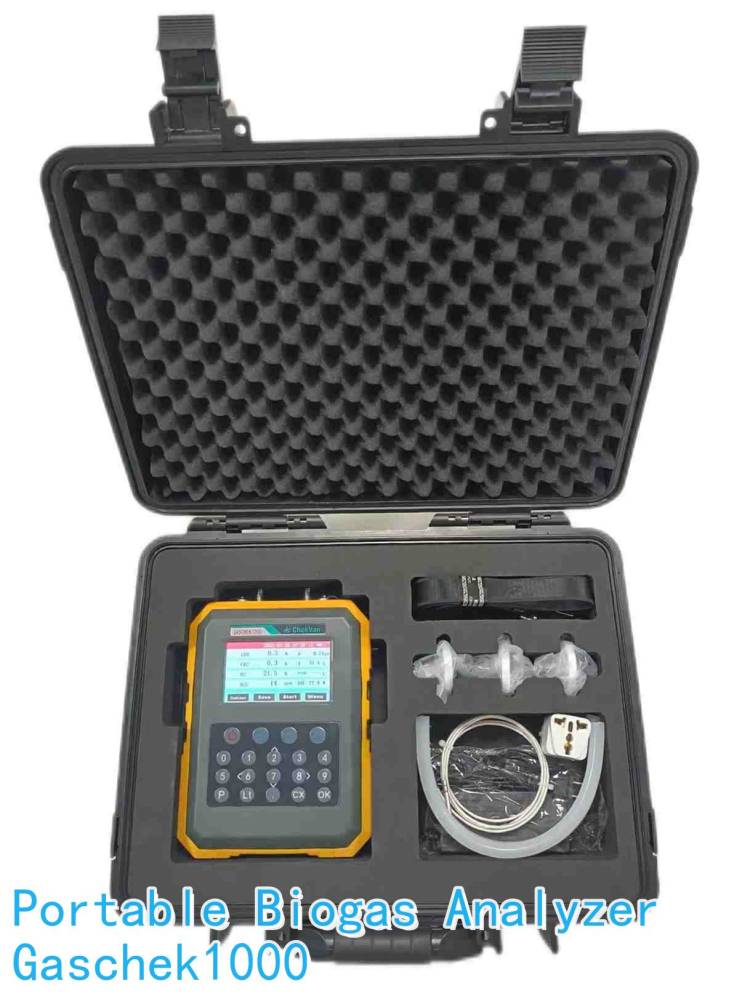
Portable Biogas Analyzer GASCHEK1000
Practical Applications of Mini Biogas Plants
1. Households:
Mini biogas plants can provide a reliable and renewable source of energy for cooking and heating in individual homes. This is particularly beneficial in rural areas where access to conventional energy sources may be limited.
2. Urban Settings:
In urban areas, mini biogas plants can help manage organic waste from households, restaurants, and markets. They can be installed in community centers, apartment complexes, and urban farms.
3. Small Farms:
Farmers can use mini biogas plants to process animal manure and crop residues, producing biogas for their own energy needs and digestate to enrich their soil.
4. Educational Institutions:
Schools and universities can use mini biogas plants as educational tools to teach students about renewable energy and sustainable waste management practices.

Mini biogas plants offer a sustainable and practical solution for converting organic waste into valuable energy, even in small spaces. By reducing waste, lowering energy costs, and improving health and safety, these compact systems can play a crucial role in promoting sustainable living and environmental conservation. As technology advances and awareness grows, the adoption of mini biogas plants is set to expand, paving the way for a greener, more sustainable future for households, urban areas, and small farms alike.
 Manufacturer of biogas analyzer, landfill gas analyzer and extraction monitor, anaerobic digester gas analyzer