
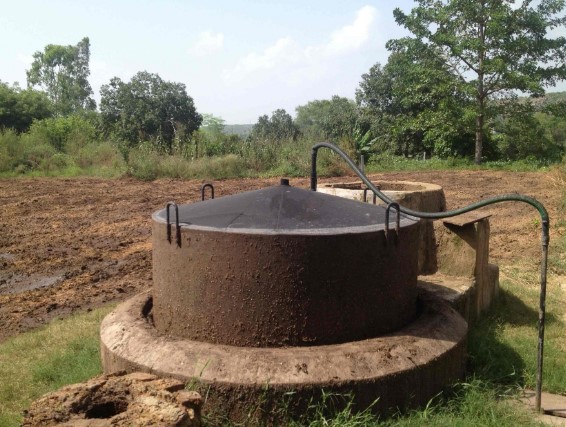
In the quest for sustainable and renewable energy sources, Gobar gas, derived from cow dung, stands out as an eco-friendly and efficient solution. This biogas production method harnesses the natural decomposition of organic matter to produce a versatile and renewable source of energy. The benefits of Gobar gas production are manifold, spanning environmental, economic, and social dimensions. Here’s a comprehensive look at why Gobar gas production is a cornerstone of sustainable energy.
1. Environmental Benefits
1.1 Reduction in Greenhouse Gas Emissions:
Gobar gas production captures methane, a potent greenhouse gas, from the decomposition of cow dung. Methane is 25 times more effective at trapping heat in the atmosphere than carbon dioxide. By converting methane into biogas, Gobar gas production prevents its release into the atmosphere, thereby reducing the overall greenhouse gas emissions.
1.2 Mitigation of Deforestation:
In many rural areas, firewood is a primary source of fuel for cooking and heating, leading to deforestation and habitat loss. Gobar gas provides an alternative to firewood, helping to preserve forests and maintain biodiversity.
1.3 Waste Management:
Cow dung, which can pose environmental and health hazards when left unmanaged, is effectively utilized in Gobar gas production. This biogas production process turns waste into a valuable resource, reducing pollution and improving sanitation in rural areas.
2. Economic Benefits
2.1 Cost Savings:
Gobar gas production reduces the need for expensive fossil fuels and commercial fertilizers. Households and farmers save money on energy bills and chemical fertilizers, leading to significant cost savings over time.
2.2 Income Generation:
Farmers can sell surplus biogas or the byproduct, known as digestate, which is a nutrient-rich fertilizer. This creates additional income streams and supports local economies.
2.3 Job Creation:
The establishment and maintenance of biogas plants generate employment opportunities in rural areas. Jobs are created in the construction, operation, and maintenance of biogas plants, as well as in the production and distribution of biogas and digestate.
3. Social Benefits
3.1 Improved Health:
Traditional cooking methods using firewood and kerosene produce harmful smoke and pollutants, leading to respiratory issues and other health problems. Gobar gas burns cleanly, reducing indoor air pollution and associated health risks.
3.2 Empowerment of Women:
In many rural communities, women are primarily responsible for collecting firewood and cooking. Gobar gas production reduces the time and effort women spend on these tasks, allowing them more time for education, income-generating activities, or other pursuits.
3.3 Energy Security:
Gobar gas production provides a reliable and renewable source of energy, enhancing energy security in rural areas. Communities become less dependent on external energy supplies, reducing their vulnerability to energy price fluctuations and supply disruptions.
4. Agricultural Benefits
4.1 Enhanced Soil Fertility:
The digestate produced during biogas production is a high-quality organic fertilizer. It enriches the soil with essential nutrients, improving soil health and fertility. This leads to better crop yields and higher-quality produce.
4.2 Sustainable Farming Practices:
Using digestate as fertilizer reduces the need for chemical fertilizers, promoting sustainable farming practices. This enhances soil structure, promotes biodiversity, and reduces the risk of soil and water contamination.
4.3 Livestock Management:
Biogas production encourages better livestock management practices. Farmers can utilize cow dung more effectively, leading to improved hygiene and health conditions for livestock. This results in higher productivity and better quality dairy and meat products.
5. Renewable and Versatile Energy Source
5.1 Cooking and Heating:
Gobar gas is an excellent alternative to traditional cooking fuels like firewood and kerosene. It can be used in biogas stoves for cooking, reducing reliance on non-renewable energy sources and improving air quality in homes.
5.2 Electricity Generation:
Biogas can be used to generate electricity, providing a sustainable energy source for off-grid rural areas. This electricity can power homes, schools, and small businesses, enhancing the quality of life and economic opportunities in rural communities.
5.3 Transportation Fuel:
Gobar gas can be upgraded to biomethane, a high-purity form of methane that can be used as a transportation fuel. Biomethane-powered vehicles produce fewer emissions than conventional vehicles, contributing to cleaner air and reduced greenhouse gas emissions.
 Manufacturer of biogas analyzer, landfill gas analyzer and extraction monitor, anaerobic digester gas analyzer