
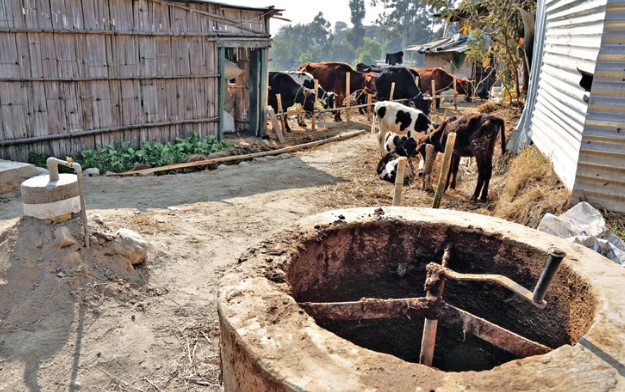
Rural areas around the world often face significant challenges in accessing reliable and affordable energy. Traditional energy sources, such as firewood and kerosene, are not only harmful to the environment but also pose health risks and economic burdens to rural communities. However, an innovative and sustainable solution is making waves in these areas: Gobar gas cylinders. These cylinders, filled with biogas derived from cow dung, are transforming the rural energy landscape. Here’s how Gobar gas cylinders are revolutionizing rural energy.
1. Harnessing a Readily Available Resource
Utilizing Cow Dung:
Cow dung, traditionally considered waste, is abundant in rural areas where agriculture and livestock farming are prevalent. By converting this readily available resource into biogas, rural communities can produce a sustainable and renewable energy source right at their doorstep. This not only addresses waste management issues but also provides a steady supply of fuel.
2. Improving Health and Safety
Reducing Indoor Air Pollution:
Traditional cooking methods in rural areas often rely on firewood, which releases harmful smoke and pollutants. This indoor air pollution is a major health hazard, especially for women and children. Gobar gas cylinders, which produce clean-burning biogas, drastically reduce indoor air pollution, leading to healthier living conditions.
Safer Energy Source:
Unlike kerosene and other flammable liquids, biogas in Gobar gas cylinders is safer to handle and store. This reduces the risk of accidental fires and explosions, making it a more secure energy option for rural households.
3. Economic Benefits
Cost-Effective:
Producing biogas from cow dung is economically beneficial as it reduces the need to purchase expensive fuels like LPG or kerosene. The initial investment in biogas equipment is offset by the savings on fuel costs over time. Additionally, biogas production can create income-generating opportunities, such as selling surplus biogas or digestate as fertilizer.
Job Creation:
The establishment and maintenance of biogas plants and the production of Gobar gas cylinders create employment opportunities in rural areas. This includes jobs in biogas plant construction, operation, and maintenance, as well as in the distribution and sales of the cylinders.
4. Environmental Sustainability
Reducing Deforestation:
The reliance on firewood for cooking in rural areas contributes to deforestation, leading to environmental degradation and loss of biodiversity. By providing an alternative energy source, Gobar gas cylinders help to reduce the pressure on forests and promote environmental conservation.
Lowering Greenhouse Gas Emissions:
Biogas production from cow dung captures methane, a potent greenhouse gas, and converts it into a usable form of energy. This process prevents methane from being released into the atmosphere, thus mitigating its impact on climate change. The use of biogas as a fuel also reduces carbon dioxide emissions compared to fossil fuels.
5. Empowering Rural Women
Alleviating Energy Poverty:
Access to reliable and affordable energy is a critical factor in improving the quality of life in rural areas. Gobar gas cylinders provide a dependable source of energy that reduces energy poverty and enhances living standards.
Reducing Women’s Workload:
In many rural communities, women are primarily responsible for collecting firewood and cooking. This task is time-consuming and physically demanding. By using Gobar gas cylinders, women can significantly reduce the time and effort spent on fuel collection, allowing them more time for other productive activities, education, or rest.
6. Boosting Agricultural Productivity
Using Digestate as Fertilizer:
The byproduct of biogas production, known as digestate, is a nutrient-rich organic fertilizer. Farmers can use this digestate to enrich their soil, improve crop yields, and reduce reliance on chemical fertilizers. This promotes sustainable farming practices and enhances food security.
Supporting Livestock Management:
Biogas production encourages better livestock management practices, as farmers can utilize cow dung more effectively. This can lead to improved hygiene and health conditions for livestock, resulting in higher productivity and better quality produce.
Gobar gas cylinders are a game-changer for rural energy access. By converting cow dung into a valuable and sustainable energy source, these cylinders address multiple challenges faced by rural communities. They improve health and safety, provide economic benefits, support environmental sustainability, empower women, and boost agricultural productivity.
 Manufacturer of biogas analyzer, landfill gas analyzer and extraction monitor, anaerobic digester gas analyzer