
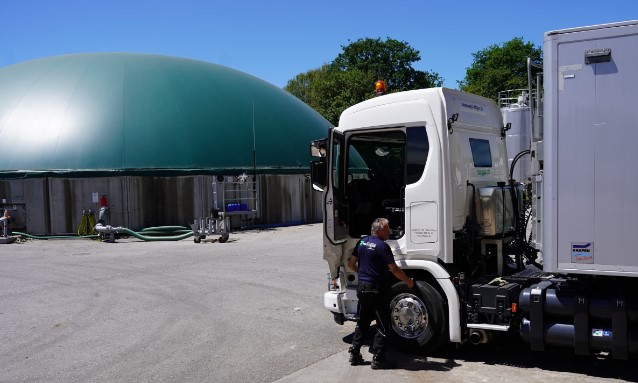
Biogas, a renewable energy source produced through the anaerobic digestion of organic waste, offers a sustainable solution to many of our energy needs. By converting kitchen scraps, agricultural waste, and even sewage into a useful fuel, biogas plants can significantly reduce reliance on fossil fuels, lower greenhouse gas emissions, and promote environmental sustainability. Here’s a look at how we can maximize the use of biogas in our everyday lives.
1. Cooking and Heating
Biogas Stoves:
One of the most direct applications of biogas is as a cooking fuel. Biogas stoves can replace traditional cooking methods that rely on wood, charcoal, or LPG (liquefied petroleum gas). This switch not only reduces indoor air pollution but also cuts down on deforestation and the overall carbon footprint. Households in both rural and urban settings can benefit from biogas stoves, enjoying a cleaner, more sustainable cooking experience.
Space Heating:
In colder regions, biogas can be used for space heating. Biogas heaters and boilers can efficiently warm homes, greenhouses, and animal shelters. This application is especially beneficial in rural areas where access to electricity or other forms of heating may be limited.
2. Electricity Generation
Biogas Generators:
Biogas can be used to generate electricity through biogas generators. These generators are ideal for providing power in off-grid areas, rural communities, and small businesses. By converting biogas into electricity, these systems help in reducing dependence on non-renewable energy sources and ensuring a stable energy supply.
Microgrids:
In communities with multiple biogas producers, biogas can be used to create microgrids. These localized energy grids can supply power to homes, schools, and businesses, enhancing energy security and resilience. Microgrids also provide an opportunity for communities to manage their energy resources more sustainably and efficiently.
3. Agricultural Applications
Digestate as Fertilizer:
The byproduct of biogas production, known as digestate, is a nutrient-rich slurry that can be used as an organic fertilizer. Applying digestate to crops improves soil health, boosts fertility, and reduces the need for chemical fertilizers. This not only promotes sustainable farming practices but also enhances crop yields and quality.
Animal Bedding:
Digestate can also be processed and dried to create animal bedding. This bedding is not only comfortable for livestock but also helps in recycling nutrients back into the agricultural system, further enhancing sustainability.
4. Waste Management
Organic Waste Reduction:
Biogas plants provide an effective solution for managing organic waste. By diverting food scraps, agricultural residues, and other organic materials from landfills, biogas production reduces methane emissions and other pollutants associated with waste decomposition. This application is particularly crucial in urban areas where waste management is a significant challenge.
Wastewater Treatment:
Biogas technology can be integrated into wastewater treatment plants to treat sewage and industrial effluents. The anaerobic digestion process not only cleans the wastewater but also generates biogas that can be used to power the treatment facility or be fed back into the energy grid.
5. Transportation Fuel
Biomethane for Vehicles:
Biogas can be upgraded to biomethane, a high-purity form of methane that can be used as a vehicle fuel. Biomethane is an excellent alternative to conventional fuels like gasoline and diesel, offering a cleaner, renewable option. It can power cars, buses, and even heavy-duty vehicles, reducing transportation-related emissions and reliance on fossil fuels.
Public Transport:
Cities and municipalities can invest in biogas-powered public transport systems. Buses and other public vehicles running on biomethane can significantly lower urban air pollution and contribute to a cleaner, healthier environment.
6. Community and Economic Benefits
Job Creation:
The establishment and operation of biogas plants create employment opportunities in construction, maintenance, and management. This stimulates local economies and provides valuable job opportunities, particularly in rural and underserved areas.
Energy Independence:
Biogas production promotes energy independence by utilizing locally available organic waste. This reduces reliance on imported fossil fuels and enhances energy security at the community and national levels.
Environmental Education:
Biogas projects offer a platform for environmental education, raising awareness about waste management, renewable energy, and sustainable practices. Schools, community centers, and local organizations can use biogas plants as educational tools to promote environmental stewardship.
 Manufacturer of biogas analyzer, landfill gas analyzer and extraction monitor, anaerobic digester gas analyzer