
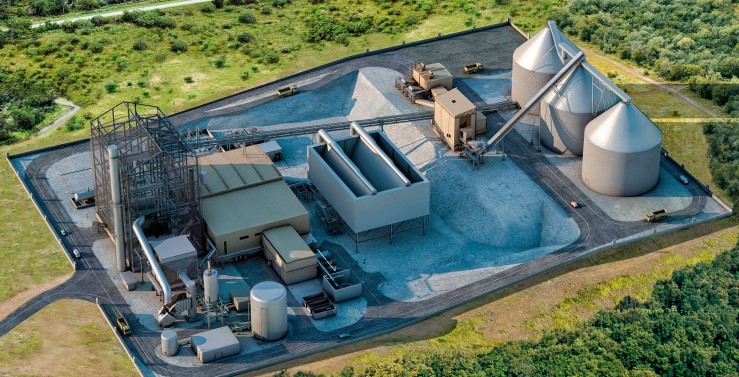
Biogas plants are marvels of sustainable engineering that convert organic waste into renewable energy and valuable byproducts through a process called anaerobic digestion. Understanding how these plants work is crucial for appreciating their role in waste management, energy production, and environmental protection. This article breaks down the functioning of biogas plants, explaining their components, processes, and benefits.
What is Biogas?
Biogas is a mixture of gases, primarily methane (CH4) and carbon dioxide (CO2), produced by the microbial breakdown of organic matter in the absence of oxygen. This process occurs naturally in environments such as swamps and landfills but can be optimized in biogas plants to produce a reliable and renewable source of energy.
Components of a Biogas Plant
1. Feedstock Storage:
This is where the organic waste (feedstock) such as agricultural residues, manure, food waste, and sewage is stored before being processed. Proper storage ensures a steady and consistent supply of feedstock to the digester.
2. Digester:
The digester is the heart of the biogas plant. It’s a sealed, oxygen-free tank where anaerobic digestion takes place. The feedstock is introduced into the digester, where it is broken down by anaerobic microorganisms, producing biogas and digestate.
3. Gas Storage:
Biogas produced in the digester is collected and stored in gas holders or tanks. This storage system ensures a continuous supply of biogas for various applications, even when the production rate fluctuates.
4. Digestate Storage:
The byproduct of the digestion process, known as digestate, is stored separately. Digestate is a nutrient-rich slurry that can be used as an organic fertilizer or soil conditioner.
5. Gas Utilization System:
The collected biogas is transported through pipelines to the utilization system, which can include gas burners for cooking, biogas engines for electricity generation, or upgrading systems to convert biogas into biomethane for vehicle fuel.
Monitoring equipment: During the biogas production process, the required equipment is a biogas analyzer, which uses advanced photoelectric sensing principles to detect methane (CH4), oxygen (O2), carbon dioxide (CO2), hydrogen sulfide (H2S), etc. For example, the OLGA2000 biogas online monitoring system can be widely used in gas monitoring in landfill biogas power plants, petrochemicals, coal mines and other scenarios, and can achieve remote data transmission.

Biogas Online Monitoring System OLGA2000
The Anaerobic Digestion Process
1. Hydrolysis:
The first step in anaerobic digestion is hydrolysis, where complex organic molecules (such as carbohydrates, proteins, and fats) are broken down into simpler soluble compounds (such as sugars, amino acids, and fatty acids) by enzymes.
2. Acidogenesis:
In this stage, the soluble compounds produced during hydrolysis are converted into volatile fatty acids, alcohols, hydrogen, and carbon dioxide by fermentative bacteria.
3. Acetogenesis:
The volatile fatty acids and alcohols are further broken down into acetic acid, hydrogen, and carbon dioxide by acetogenic bacteria.
4. Methanogenesis:
In the final stage, methanogenic archaea convert acetic acid, hydrogen, and carbon dioxide into methane and water. Methane is the primary component of biogas, which can be harnessed for energy.
Benefits of Biogas Plants
1. Renewable Energy Production:
Biogas plants produce a sustainable and renewable source of energy. Methane, the main component of biogas, can be used for cooking, heating, electricity generation, and as a vehicle fuel.
2. Waste Management:
Biogas plants provide an effective solution for managing organic waste, reducing the volume of waste that would otherwise end up in landfills or incinerators. This helps mitigate environmental pollution and associated health hazards.
3. Greenhouse Gas Reduction:
By capturing methane from organic waste, biogas plants reduce greenhouse gas emissions. Methane is a potent greenhouse gas, and its utilization as an energy source helps lower overall carbon emissions.
4. Nutrient Recycling:
The digestate produced during anaerobic digestion is rich in nutrients and can be used as an organic fertilizer. This promotes sustainable agricultural practices and reduces reliance on chemical fertilizers.
5. Economic Benefits:
Biogas plants create economic opportunities through job creation in construction, operation, and maintenance. They also generate income from the sale of biogas and digestate, contributing to local economies.
6. Energy Independence:
Biogas plants enhance energy security by providing a local and reliable source of renewable energy. This reduces dependence on imported fossil fuels and promotes energy resilience.
Biogas plants are an essential component of the circular economy, transforming organic waste into valuable energy and byproducts through anaerobic digestion. Understanding how these plants work highlights their multifaceted benefits, from renewable energy production and waste management to greenhouse gas reduction and economic gains. As technology advances and awareness of sustainable practices grows, biogas plants are poised to play an increasingly vital role in achieving a more sustainable and resilient future.
 Manufacturer of biogas analyzer, landfill gas analyzer and extraction monitor, anaerobic digester gas analyzer