
Biogas plants are complex systems that transform organic waste into valuable energy, providing a sustainable alternative to fossil fuels. Understanding the technical components and their roles is crucial for optimizing the efficiency and performance of biogas plants.
1. Feedstock Preparation and Input Systems
Feedstock: The type and quality of organic material used as feedstock are critical to the efficiency of biogas production. Common feedstocks include agricultural residues, animal manure, food waste, and industrial organic waste.
Pre-treatment: Pre-treatment processes, such as grinding, shredding, and mixing, help break down the feedstock into smaller particles, increasing the surface area for microbial activity and enhancing the digestion process.
Input Systems: Efficient feedstock input systems, such as conveyor belts, pumps, and hoppers, ensure a consistent and controlled supply of organic material to the digester.
2. Anaerobic Digester
Design and Construction: The anaerobic digester is the core component of a biogas plant. It is a sealed, oxygen-free tank where the anaerobic digestion process occurs. Digesters can be constructed from materials like concrete, steel, or reinforced plastics, designed to withstand the corrosive environment inside.
Types of Digesters:
– Continuous Flow Digesters: Feedstock is continuously fed into the digester, and digestate is continuously removed. This design is suitable for large-scale operations.
– Batch Digesters: Feedstock is added in batches, and the digester is sealed until the digestion process is complete. This design is simpler and suitable for smaller operations.
Temperature Control: Maintaining optimal temperature is essential for microbial activity. Digesters are often heated using external or internal heat exchangers to maintain temperatures between 35°C and 55°C (mesophilic and thermophilic conditions, respectively).
Mixing Systems: Proper mixing ensures uniform distribution of feedstock and prevents the formation of scum and sediment layers. Mixing can be achieved using mechanical agitators, gas recirculation, or liquid recirculation systems.
3. Biogas Collection and Storage
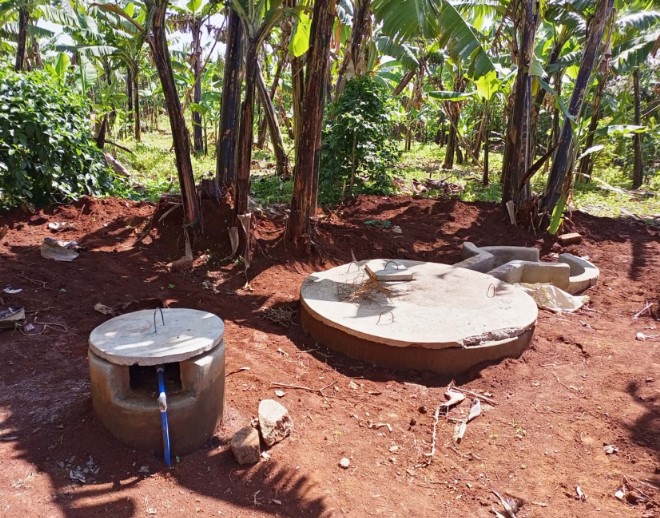
Gas Collectors: Biogas produced during digestion is collected at the top of the digester. Gas collectors, such as floating dome or fixed dome systems, help in capturing and directing the biogas to storage units.
Gas Storage: Biogas storage systems, such as gas holders or storage bags, store the produced biogas for later use. These storage units are designed to accommodate fluctuations in biogas production and consumption.
Gas Purification: Raw biogas contains impurities like hydrogen sulfide, carbon dioxide, and moisture. Gas purification systems, including scrubbers, filters, and desulfurization units, remove these impurities to enhance the quality of biogas and prevent damage to equipment.
4. Digestate Management
Digestate Storage: The residual material, known as digestate, is rich in nutrients and can be used as a fertilizer. Efficient storage systems, such as covered lagoons or storage tanks, prevent odors and nutrient losses.
Separation Systems: Digestate can be separated into solid and liquid fractions using centrifuges, screw presses, or decanter centrifuges. The solid fraction can be used as compost, while the liquid fraction can be used as liquid fertilizer.
5. Biogas Utilization Systems
Combined Heat and Power (CHP) Units: Biogas can be used in CHP units to generate electricity and heat simultaneously. These units consist of an engine or turbine, a generator, and a heat recovery system, providing efficient energy conversion.
Boilers and Burners: Biogas can be burned directly in boilers and burners for heating applications, such as space heating, water heating, or industrial processes.
Upgrading to Biomethane: Biogas can be upgraded to biomethane by removing carbon dioxide and other impurities. Biomethane can be injected into the natural gas grid or used as a vehicle fuel.
6. Monitoring and Control Systems
Sensors and Instruments: Monitoring systems equipped with sensors and instruments measure parameters such as temperature, pressure, gas composition, and feedstock input rates. These measurements are critical for optimizing the digestion process and ensuring safe operation.
Monitoring equipment: Biogas analyzer, which uses advanced photoelectric sensing principles to detect methane (CH4), oxygen (O2), carbon dioxide (CO2), hydrogen sulfide (H2S), etc. For example, the OLGA2000 biogas online monitoring system can be widely used in gas monitoring in landfill biogas power plants, petrochemical industries, coal mines and other scenarios, and can achieve remote data transmission.

Control Systems: Advanced control systems use data from sensors to automate the operation of the biogas plant. These systems can adjust feedstock input, mixing rates, and temperature settings to maintain optimal conditions for biogas production.
Conclusion
The efficiency of a biogas plant depends on the seamless integration and operation of its key components. From feedstock preparation to biogas utilization, each component plays a vital role in the overall performance of the plant. By understanding the technical details and implementing best practices, biogas plants can maximize energy production, reduce greenhouse gas emissions, and contribute to a sustainable energy future. As technology advances and knowledge grows, biogas plants will continue to play a crucial role in the global transition to renewable energy.
 Manufacturer of biogas analyzer, landfill gas analyzer and extraction monitor, anaerobic digester gas analyzer