
With the increasing need to adopt sustainable practices in our daily lives, many households are turning to home anaerobic digesters as an eco-friendly solution to manage organic waste and produce renewable energy. These systems allow you to convert kitchen scraps, garden waste, and other organic materials into biogas, which can be used for cooking, heating, and even generating electricity.
1. Understanding Anaerobic Digestion
Anaerobic digestion is a process where microorganisms break down organic material in the absence of oxygen. This process occurs in a sealed, oxygen-free environment, leading to the production of biogas, which is composed primarily of methane and carbon dioxide. The remaining material, known as digestate, can be used as a nutrient-rich fertilizer for plants.
2. Benefits of a Home Anaerobic Digester
- Waste Reduction: Significantly reduces the amount of organic waste that would otherwise end up in landfills.
- Renewable Energy: Produces biogas, a clean and renewable source of energy.
- Fertilizer Production: Creates digestate, a valuable by-product that can be used to enrich soil.
- Cost Savings: Reduces energy and waste disposal costs over time.
3. Components of a Home Anaerobic Digester
To set up a home anaerobic digester, you will need the following components:
- Digester Tank: A sealed container where the anaerobic digestion takes place. This can be made from plastic, metal, or concrete.
- Inlet and Outlet Pipes: For adding organic waste to the digester and removing the digestate.
- Biogas Storage: A gas holder or storage bag to collect and store the produced biogas.
- Gas Utilization System: A stove, burner, or generator to use the biogas.
4. Step-by-Step Guide to Setting Up Your Home Anaerobic Digester
Step 1: Choose a Suitable Location
Select a location for your digester that is convenient for feeding waste and using the biogas. It should be close to your kitchen or waste source and have adequate space for the digester tank and biogas storage.
Step 2: Prepare the Digester Tank
– Clean the Tank: Ensure that your tank is clean and free from any residues that could interfere with the digestion process.
– Install Inlet and Outlet Pipes: Drill holes near the top of the tank for the inlet and outlet pipes. Use adhesive or sealant to secure the pipes in place and ensure they are airtight.
Step 3: Set Up Biogas Storage
– Attach Gas Holder: Connect the gas holder or storage bag to the top of the digester tank using a flexible hose. Ensure all connections are airtight to prevent gas leaks.
– Install Valves: Place valves on the gas outlet pipe to control the flow of biogas to your stove or burner.

Step 4: Feed Organic Waste
– Collect Waste: Gather kitchen scraps, garden waste, and other organic materials. Avoid adding non-organic materials or items that cannot be digested.
– Create Slurry: Mix the organic waste with water to create a slurry. This helps in easier feeding and digestion.
– Add to Digester: Pour the slurry into the digester through the inlet pipe. Fill the tank to about three-quarters full to leave space for gas production.
Step 5: Start the Digestion Process
– Seal the Digester: Close all openings to create an airtight environment inside the digester.
– Monitor Temperature: The ideal temperature for anaerobic digestion is between 35°C and 40°C (95°F to 104°F). Ensure the digester is kept in a warm place or use insulation if necessary.
Step 6: Utilize the Biogas
– Connect to Appliances: Attach the biogas storage to your stove or burner using a flexible hose.
– Light the Burner: Open the valve and light the burner to start using the biogas for cooking or heating.
5. Maintenance and Troubleshooting
– Regular Feeding: Continuously add organic waste to the digester to maintain biogas production.
– Stirring: Occasionally stir the contents of the digester to enhance microbial activity.
– Leak Checks: Regularly inspect all connections for leaks and ensure they are airtight.
– Digestate Removal: Periodically remove the digestate from the outlet pipe and use it as fertilizer for your garden.
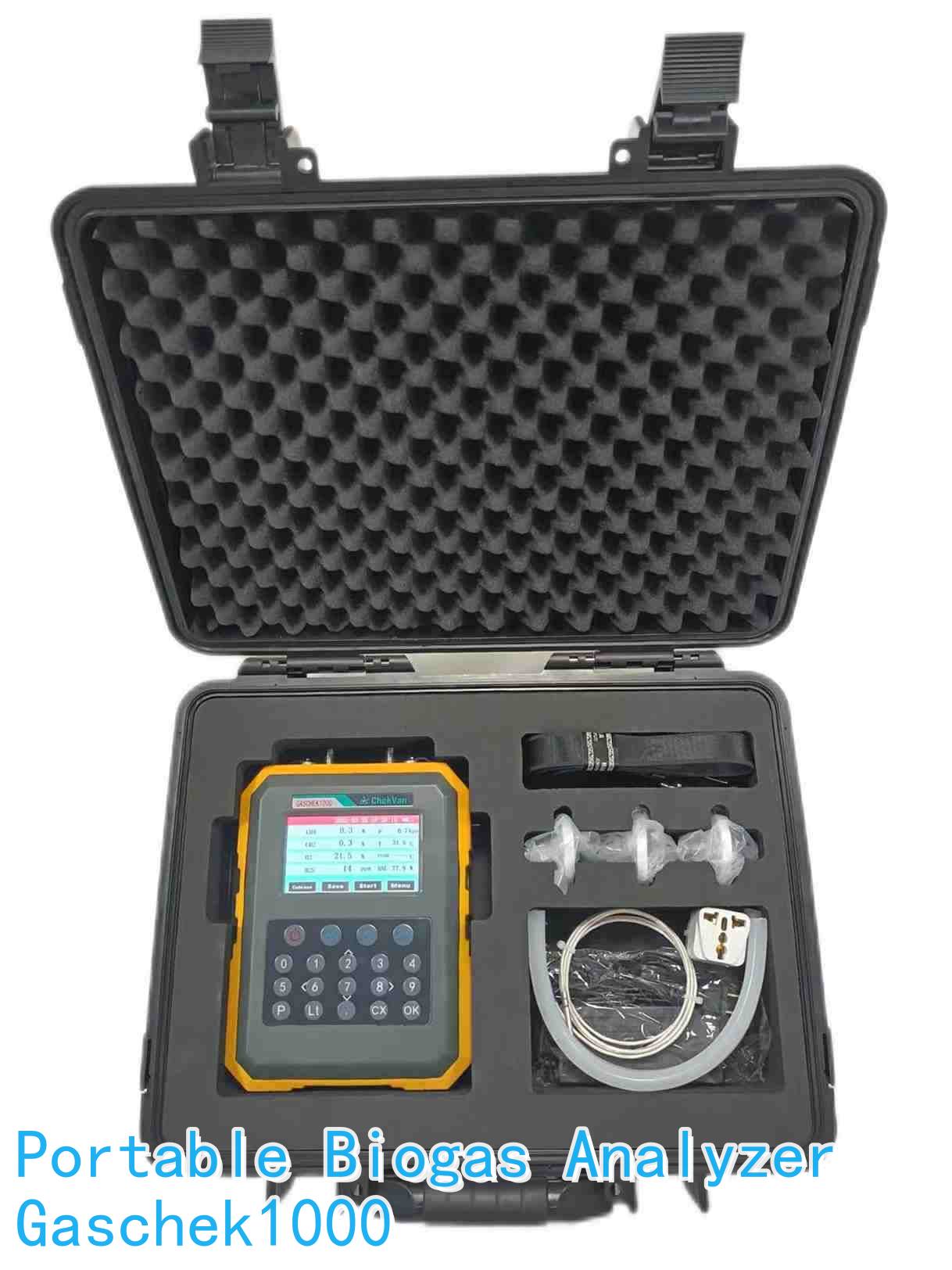
Gas monitoring:Biogas analyzers, such as the GASCHEK1000 portable biogas analyzer, use advanced photoelectric sensing principles to detect and analyze methane (CH4), oxygen (O2), carbon dioxide (CO2), hydrogen sulfide (H2S) and other gases, and accurately report , while effectively checking the digestive process.
Setting up a home anaerobic digester is a practical and eco-friendly way to manage organic waste and produce renewable energy. By following this guide, you can contribute to a more sustainable lifestyle, reduce your environmental footprint, and enjoy the benefits of clean energy and rich fertilizer.
 Manufacturer of biogas analyzer, landfill gas analyzer and extraction monitor, anaerobic digester gas analyzer