
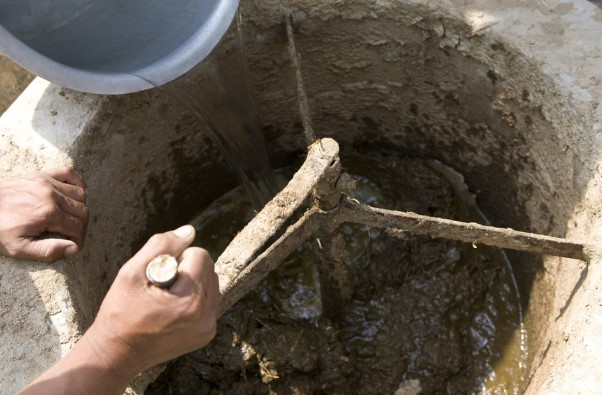
As the world grapples with the challenges of climate change and the depletion of fossil fuels, the search for sustainable and renewable energy solutions has never been more urgent. Among the promising alternatives, biogas and gobar gas (cow dung gas) stand out for their potential to transform waste into valuable energy. These bio-based energy sources not only offer a way to reduce greenhouse gas emissions but also provide a means to manage organic waste effectively. This article explores the role of biogas and gobar gas in creating a sustainable energy future.
1. Understanding Biogas and Gobar Gas
Biogas is produced through the anaerobic digestion of organic materials such as agricultural waste, food scraps, and animal manure. This process, carried out by microorganisms in an oxygen-free environment, results in the production of a mixture of methane and carbon dioxide. The methane component can be used as a renewable energy source for heating, cooking, and electricity generation.
Gobar Gas, specifically, refers to biogas produced primarily from cow dung. It follows the same anaerobic digestion process, leveraging the high methane content of cow manure to generate energy. In regions with abundant livestock, gobar gas offers a particularly effective way to harness waste for energy production.

2. Environmental Benefits
Both biogas and gobar gas offer significant environmental advantages:
- Reduction of Greenhouse Gases: By capturing methane from organic waste, biogas and gobar gas systems prevent this potent greenhouse gas from being released into the atmosphere. This helps mitigate climate change.
- Waste Management: These systems provide an efficient solution for managing organic waste, reducing the burden on landfills and minimizing pollution.
- Renewable Energy Source: Biogas and gobar gas are renewable, unlike fossil fuels which are finite. This helps in diversifying the energy mix and promoting energy security.
3. Economic Advantages
The adoption of biogas and gobar gas systems can lead to several economic benefits:
- Cost Savings: Households and businesses can save on energy costs by generating their own renewable energy. This is particularly beneficial in rural areas where access to conventional energy sources may be limited.
- Job Creation: The development, installation, and maintenance of biogas plants create jobs in various sectors including engineering, construction, and agriculture.
- Revenue Generation: Surplus biogas can be sold to the grid or converted into compressed biogas (CBG) for use as a vehicle fuel, providing an additional income stream.
4. Applications of Biogas and Gobar Gas
The versatility of biogas and gobar gas makes them suitable for a wide range of applications:
- Cooking and Heating: In rural households, biogas can replace firewood or charcoal for cooking, reducing indoor air pollution and deforestation.
- Electricity Generation: Biogas can be used to power generators or turbines, providing electricity for homes, farms, and businesses.
- Transportation Fuel: When purified and compressed, biogas can be used as an alternative to natural gas in vehicles, offering a cleaner and more sustainable fuel option.
5. Challenges and Solutions
- Initial Investment: The upfront costs for setting up biogas plants can be high. However, government incentives and subsidies can help offset these costs.
- Feedstock Availability: Consistent supply of organic waste is crucial for continuous biogas production. Integrated waste management systems can ensure a steady feedstock supply.
- Technical Expertise: Operating biogas plants requires technical knowledge. Training programs and capacity-building initiatives can equip communities with the necessary skills.
Biogas and gobar gas play a critical role in the transition to sustainable and renewable energy solutions. By converting organic waste into valuable energy, these systems not only address the twin challenges of waste management and energy security but also contribute to environmental conservation and economic development. As technological advancements and supportive policies continue to emerge, the adoption of biogas and gobar gas systems is poised to grow, paving the way for a greener and more sustainable future.
 Manufacturer of biogas analyzer, landfill gas analyzer and extraction monitor, anaerobic digester gas analyzer
One thought on “Sustainable Energy: The Role of Biogas and Gobar Gas in Renewable Solutions”