
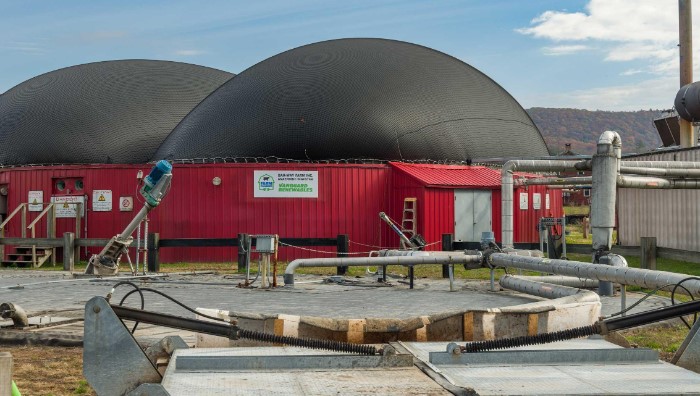
As the world transitions toward more sustainable energy sources, anaerobic digestion (AD) stands out as a crucial technology in the renewable energy landscape. This process not only helps manage waste but also produces biogas, a versatile and renewable energy source. Understanding how anaerobic digestion works and its benefits can illuminate its pivotal role in creating a greener future.
Understanding Anaerobic Digestion
Anaerobic digestion is a biological process in which microorganisms break down organic matter in the absence of oxygen. This process occurs naturally in environments such as wetlands, landfills, and animal digestive systems. In controlled settings, anaerobic digestion is harnessed in specialized reactors called anaerobic digesters to optimize the production of biogas and other valuable by-products.
The Anaerobic Digestion Process
The anaerobic digestion process involves four key stages:
1. Hydrolysis:
– Large organic molecules, such as carbohydrates, proteins, and fats, are broken down into smaller molecules like sugars, amino acids, and fatty acids through enzymatic reactions. This stage is crucial for making the complex organic matter accessible to the microorganisms involved in subsequent stages.
2. Acidogenesis:
– The smaller molecules produced during hydrolysis are further broken down by acidogenic bacteria into volatile fatty acids, alcohols, hydrogen, and carbon dioxide. This stage creates a more acidic environment and produces intermediates that feed into the next phase.
3. Acetogenesis:
– Acetogenic bacteria convert the volatile fatty acids and alcohols into acetic acid, hydrogen, and carbon dioxide. This stage is essential for producing the key substrates that methanogens, the microorganisms responsible for the final stage, can use.
4. Methanogenesis:
– Methanogenic archaea (a group of microorganisms) convert the acetic acid, hydrogen, and carbon dioxide into methane (CH₄) and carbon dioxide (CO₂). This final stage produces biogas, which typically consists of 50-70% methane, 30-50% carbon dioxide, and trace amounts of other gases like hydrogen sulfide.
Components of an Anaerobic Digestion System
– Feedstock Storage: Organic waste materials, such as agricultural residues, food waste, and animal manure, are stored before being fed into the digester.
– Anaerobic Digester: The central unit where the anaerobic digestion process takes place. It maintains an oxygen-free environment and optimal conditions for microbial activity.
– Mixing System: Ensures even distribution of microorganisms and substrates within the digester, enhancing the digestion process.
– Heating System: Maintains the digester at a consistent temperature, usually between 35-55°C (95-131°F), to optimize microbial activity.
– Gas Storage: Collects and stores the biogas produced during digestion.
– Digestate Storage: Holds the nutrient-rich by-product of the digestion process, which can be used as a natural fertilizer.
Benefits of Anaerobic Digestion
1. Renewable Energy Production:
– Biogas produced through anaerobic digestion can be used for various applications, including generating electricity, heating, and as a vehicle fuel (after upgrading to Bio CNG). This helps reduce dependence on fossil fuels and decreases greenhouse gas emissions.
2. Waste Management:
– Anaerobic digestion provides an effective solution for managing organic waste, reducing the volume of waste sent to landfills, and minimizing methane emissions from decomposing waste.
3. Nutrient Recycling:
– The digestate, a by-product of anaerobic digestion, is a nutrient-rich substance that can be used as an organic fertilizer, improving soil health and reducing the need for chemical fertilizers.
4. Environmental Protection:
– By diverting organic waste from landfills and reducing methane emissions, anaerobic digestion helps protect the environment and contributes to climate change mitigation.
5. Economic Opportunities:
– Anaerobic digestion can create economic opportunities, particularly in rural areas, by providing renewable energy, enhancing waste management, and producing valuable by-products.
Applications of Biogas
Biogas produced through anaerobic digestion can be utilized in various ways:
– Electricity Generation:
– Biogas can be used in combined heat and power (CHP) plants to generate electricity and heat, providing a reliable and renewable energy source.
– Heating:
– Biogas can be used directly for heating purposes, such as in boilers and space heaters, offering a clean alternative to conventional fuels.
Vehicle Fuel:
Upgraded biogas, known as Bio CNG, can be used as a renewable vehicle fuel, reducing reliance on fossil fuels and lowering transportation emissions.
Industrial Use:
Biogas can be used in industrial processes that require heat or as a raw material in chemical production.
Conclusion
Anaerobic digestion is a vital process for producing renewable energy from organic waste, offering numerous environmental, economic, and social benefits. By understanding how anaerobic digestion works and harnessing its potential, we can move towards a more sustainable and resilient energy future. As technology advances and awareness grows, anaerobic digestion will continue to play a crucial role in the global transition to green energy.
 Manufacturer of biogas analyzer, landfill gas analyzer and extraction monitor, anaerobic digester gas analyzer