
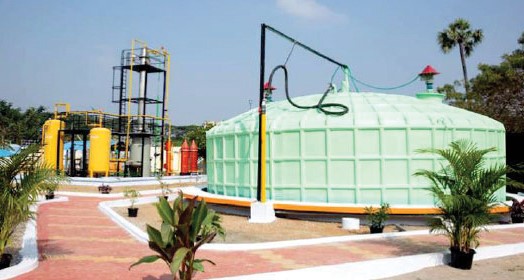
In the search for sustainable and eco-friendly fuel alternatives, Bio Compressed Natural Gas (Bio CNG) has emerged as a promising solution. Derived from biogas, which is produced through the anaerobic digestion of organic waste, Bio CNG offers a renewable, clean-burning alternative to traditional fossil fuels. However, to fully appreciate the potential of Bio CNG, it’s essential to understand the economics behind its production. This article delves into the factors affecting Bio CNG production costs and the economic viability of this green fuel.
1. Initial Investment Costs
a. Biogas Plant Construction:
The cost of constructing a biogas plant involves expenses related to land acquisition, site preparation, and building the necessary infrastructure such as digesters, storage tanks, and gas purification systems.
b. Equipment and Technology:
High-quality equipment for biogas purification and compression is essential for producing Bio CNG. This includes scrubbers, compressors, storage cylinders, and distribution systems. The choice of technology and equipment significantly impacts the initial investment.
c. Regulatory and Permitting Costs:
Complying with local regulations and obtaining the necessary permits and licenses can add to the upfront costs. This includes environmental impact assessments, safety certifications, and other legal requirements.
2. Operational Costs
a. Feedstock Procurement:
The cost of acquiring organic waste feedstock, such as agricultural residue, food waste, or animal manure, varies based on local availability and transportation logistics. Efficient feedstock management is crucial to maintaining a steady supply.
b. Maintenance and Repairs:
Regular maintenance of equipment and infrastructure is necessary to ensure smooth operations and avoid downtime. This includes routine inspections, repairs, and replacement of worn-out components.
c. Energy and Utilities:
Operating a Bio CNG plant requires energy, primarily electricity for running equipment like pumps, compressors, and control systems. Additionally, water and other utilities contribute to operational expenses.
d. Labor Costs:
Skilled personnel are needed to manage the day-to-day operations, including feedstock handling, process monitoring, and quality control. Labor costs can vary based on the scale of the plant and local wage rates.
3. Conversion Efficiency and Yield
The efficiency of converting biogas to Bio CNG plays a critical role in determining production costs. Factors influencing conversion efficiency include:
a. Feedstock Quality:
The type and quality of feedstock affect the yield and composition of biogas. High-quality organic waste with a balanced carbon-to-nitrogen ratio ensures optimal methane production.
b. Digestion Process:
The design and operation of anaerobic digesters influence the efficiency of biogas production. Factors such as temperature, pH, retention time, and microbial activity must be carefully controlled.
c. Purification and Compression:
The biogas purification process, which involves removing impurities like carbon dioxide, hydrogen sulfide, and moisture, impacts the overall efficiency. Advanced purification technologies, though costlier, may result in higher quality Bio CNG.
4. Revenue Streams and Financial Incentives
Bio CNG production can benefit from multiple revenue streams and financial incentives that enhance its economic viability:
a. Bio CNG Sales:
Revenue from selling Bio CNG as a fuel for vehicles, industrial applications, or injecting into natural gas grids is the primary income source. Market prices for Bio CNG can vary based on demand and regional policies.
b. Renewable Energy Credits (RECs):
Producers of Bio CNG can earn RECs, which can be sold to entities required to meet renewable energy targets. These credits provide an additional revenue stream and improve the project’s financial outlook.
c. Government Subsidies and Incentives:
Many governments offer subsidies, grants, and tax incentives to promote renewable energy projects, including Bio CNG production. These financial aids can significantly reduce capital and operational costs.
d. By-products:
The digestate, a by-product of the anaerobic digestion process, can be used as a high-quality organic fertilizer, providing an additional revenue stream and reducing waste disposal costs.
Conclusion
Understanding the economics of Bio CNG production involves a detailed analysis of initial investments, operational expenses, conversion efficiencies, and potential revenue streams. While the setup and operational costs can be significant, the long-term financial benefits, coupled with environmental advantages, make Bio CNG an attractive green fuel alternative. By leveraging technological advancements, optimizing feedstock management, and taking advantage of financial incentives, Bio CNG production can become a viable and sustainable component of the renewable energy landscape, driving us towards a greener future.
 Manufacturer of biogas analyzer, landfill gas analyzer and extraction monitor, anaerobic digester gas analyzer
One thought on “Economics of Green Fuel: Understanding Bio CNG Production Costs”