
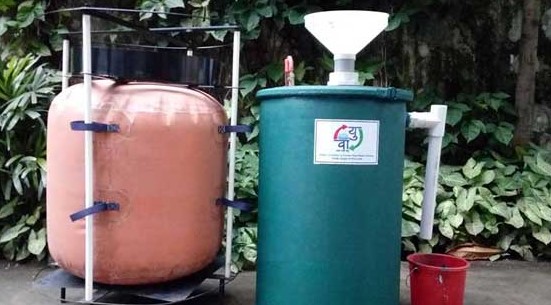
As the demand for renewable energy solutions grows, many homeowners are turning to biogas plants to generate clean energy from organic waste. Home biogas plants offer a sustainable way to manage waste and produce biogas for cooking, heating, and even electricity generation. However, understanding the costs associated with installing and operating a home biogas plant is crucial for making an informed decision.
Factors Influencing the Cost of Home Biogas Plants
1. Size and Capacity
The size and capacity of a biogas plant significantly impact its cost. Smaller plants designed for household use typically have a lower initial investment compared to larger systems meant for commercial or community use. The capacity of a biogas plant is measured in cubic meters (m³), indicating the volume of gas it can produce. Home biogas plants usually range from 1 to 10 m³ in capacity.
2. Type of Digester
– Fixed-Dome Digesters: These are durable and have a long lifespan but can be more expensive to install due to their construction requirements.
– Floating-Dome Digesters: These are easier to install and maintain but may have higher operational costs due to maintenance of the floating dome.
– Portable Digesters: These are typically cheaper and easier to install, making them ideal for small-scale household use. However, they may not be as durable as fixed-dome or floating-dome systems.
3. Materials and Construction
The materials used for constructing the digester and other components, such as gas storage tanks and piping, influence the overall cost. High-quality materials that ensure durability and efficiency may increase the initial investment but can reduce long-term maintenance costs.
4. Installation and Labor
Labor costs for installation can vary based on location and the complexity of the installation process. Skilled labor may be required to ensure proper setup and operation, adding to the overall cost.
5. Feedstock Availability
The type and availability of feedstock (organic waste) used for biogas production can affect operational costs. Common feedstocks include kitchen waste, agricultural residues, and animal manure. The cost of sourcing and preparing feedstock should be considered when evaluating the total cost of a biogas plant.
6. Additional Equipment
Additional equipment, such as gas storage tanks, pressure regulators, and gas appliances (e.g., biogas stoves or generators), can add to the cost of a home biogas plant. Some systems may also require safety features like gas leak detectors and pressure relief valves.
Such as the GASCHEK1000 portable biogas analyzer, use advanced photoelectric sensing principles to detect and analyze methane (CH4), oxygen (O2), carbon dioxide (CO2), hydrogen sulfide (H2S) and other gases, and accurately report , while effectively checking the digestive process.
Cost Breakdown
1. Initial Investment
The initial investment for a home biogas plant includes the cost of the digester, construction materials, labor, and additional equipment. Depending on the factors mentioned above, the initial investment for a small-scale home biogas plant can range from $500 to $2,500.
2. Operational and Maintenance Costs
Operational costs include the regular supply of feedstock and minor maintenance expenses. Maintenance costs may involve cleaning the digester, repairing or replacing components, and ensuring the system operates efficiently. These costs are relatively low and can range from $50 to $200 per year, depending on the system’s complexity and usage.
Potential Benefits
1. Reduced Energy Bills
By producing biogas for cooking, heating, and electricity generation, homeowners can significantly reduce their reliance on conventional energy sources, leading to lower energy bills.
2. Waste Management
Home biogas plants provide an effective way to manage organic waste, reducing the need for landfill disposal and minimizing environmental pollution.
3. Environmental Impact
Biogas is a renewable energy source that reduces greenhouse gas emissions by capturing methane that would otherwise be released into the atmosphere. This contributes to a lower carbon footprint and supports environmental sustainability.
4. Nutrient-Rich Fertilizer
The byproduct of the biogas production process, known as digestate, is a nutrient-rich organic fertilizer that can be used to enhance soil quality and support gardening and agriculture.
Conclusion
Investing in a home biogas plant can be a cost-effective and environmentally friendly solution for managing waste and generating renewable energy.
 Manufacturer of biogas analyzer, landfill gas analyzer and extraction monitor, anaerobic digester gas analyzer