
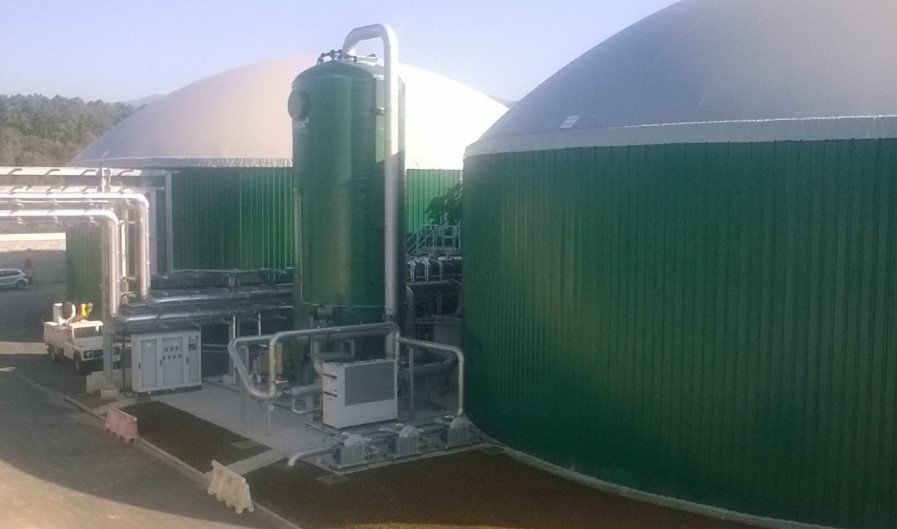
In the quest for sustainable energy solutions and efficient waste management, co-digestion for biogas production has emerged as a promising approach. Co-digestion involves the simultaneous anaerobic digestion of multiple organic waste streams, enhancing biogas yield and improving the overall efficiency of the digestion process. This article explores the benefits and science behind co-digestion, highlighting its role in revolutionizing waste management and renewable energy production.
What is Co-Digestion?
Co-digestion refers to the anaerobic digestion of a mixture of different organic substrates in a single digester. This process leverages the synergistic effects of combining various types of organic waste, such as agricultural residues, food waste, industrial by-products, and sewage sludge. By integrating these diverse waste streams, co-digestion enhances the microbial activity and overall performance of the anaerobic digestion process, leading to higher biogas production and improved waste stabilization.
The Science Behind Co-Digestion
The co-digestion process harnesses the metabolic capabilities of a diverse microbial community to break down complex organic matter into simpler compounds. This involves several key stages:
1. Hydrolysis
During hydrolysis, complex organic molecules such as carbohydrates, proteins, and fats are broken down into simpler soluble compounds like sugars, amino acids, and fatty acids. Hydrolytic enzymes released by bacteria facilitate this breakdown, making the compounds more accessible for further digestion.
2. Acidogenesis
In the acidogenesis stage, acidogenic bacteria convert the soluble compounds into volatile fatty acids (VFAs), alcohols, hydrogen, and carbon dioxide. This stage produces intermediate compounds that are essential for the subsequent steps in the digestion process.
3. Acetogenesis
Acetogenic bacteria further convert the volatile fatty acids and alcohols into acetic acid, hydrogen, and carbon dioxide during acetogenesis. This stage prepares the substrates for the final methanogenesis stage, where methane production occurs.
4. Methanogenesis
In the final stage, methanogenic archaea convert acetic acid, hydrogen, and carbon dioxide into methane and water. This stage is critical for biogas production, as it generates methane, the primary component of biogas.

Advantages of Co-Digestion
Co-digestion offers several advantages over mono-digestion (digestion of a single waste type), making it a more efficient and sustainable approach to biogas production:
1. Increased Biogas Yield
Co-digestion often results in higher biogas yields compared to mono-digestion due to the synergistic effects of combining different substrates. The diverse organic materials provide a balanced nutrient profile, enhancing microbial activity and boosting biogas production.
2. Improved Waste Management
Co-digestion allows for the simultaneous treatment of multiple waste streams, reducing the need for separate processing facilities. This integrated approach optimizes waste management, decreases the volume of waste sent to landfills, and minimizes environmental pollution.
3. Enhanced Process Stability
The diversity of substrates in co-digestion helps maintain a stable and robust microbial community within the digester. This stability reduces the risk of process imbalances and improves the overall efficiency of the anaerobic digestion process.
4. Nutrient Recovery
The byproduct of co-digestion, known as digestate, is a nutrient-rich organic material that can be used as fertilizer. Digestate contains essential nutrients like nitrogen, phosphorus, and potassium, making it an excellent soil conditioner and promoting sustainable agriculture.
5. Economic Benefits
Co-digestion can lead to cost savings by optimizing the use of existing infrastructure and reducing the need for additional waste processing facilities. The increased biogas production also provides greater opportunities for energy generation and revenue from the sale of electricity, heat, or biomethane.
Applications of Co-Digestion
1. Agricultural Operations
In agricultural settings, co-digestion can combine animal manure with crop residues and food waste. This integration not only enhances biogas production but also addresses the disposal of agricultural waste, reducing environmental pollution and promoting sustainable farming practices.
2. Municipal Waste Management
Municipal waste management facilities can benefit from co-digestion by integrating food waste, yard waste, and sewage sludge. This approach optimizes waste treatment processes, reduces landfill usage, and generates renewable energy for local communities.
3. Industrial Applications
Industries that produce organic waste, such as food processing, brewing, and dairy operations, can implement co-digestion by combining their by-products with other organic waste streams. This enhances waste valorization, reduces disposal costs, and contributes to sustainable industrial practices.
Conclusion
Co-digestion for biogas production represents a powerful synergy in waste management and renewable energy generation. By leveraging the complementary characteristics of diverse organic waste streams, co-digestion enhances biogas yield, improves waste treatment efficiency, and contributes to environmental sustainability. As technology advances and awareness grows, co-digestion will play an increasingly vital role in shaping a greener and more sustainable future.
 Manufacturer of biogas analyzer, landfill gas analyzer and extraction monitor, anaerobic digester gas analyzer