
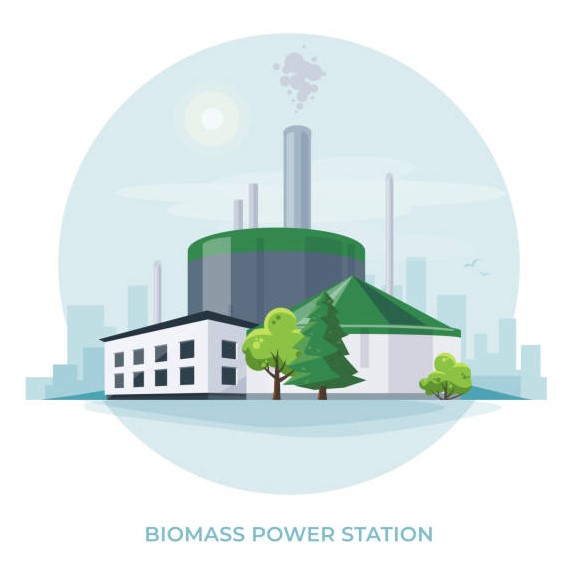
In an era where sustainable practices and environmental conservation have become paramount, the role of biodigester plants in revolutionizing waste management is increasingly significant. Biodigester plants provide an innovative solution for converting organic waste into valuable resources, thereby addressing both waste disposal challenges and energy needs. This article delves into the working principles, benefits, and broader impact of biodigester plants in transforming waste management practices globally.
Understanding Biodigester Plants
Biodigester plants, also known as anaerobic digesters, utilize a biological process to break down organic waste materials in the absence of oxygen. This process, called anaerobic digestion, involves microorganisms that decompose organic matter, producing biogas (a mixture of methane and carbon dioxide) and a nutrient-rich byproduct known as digestate. The primary components of a biodigester plant include:
- 1. Digestion Tank: Where the anaerobic digestion occurs.
- 2. Gas Storage: For collecting and storing the produced biogas.
- 3. Digestate Storage: For storing the nutrient-rich byproduct.
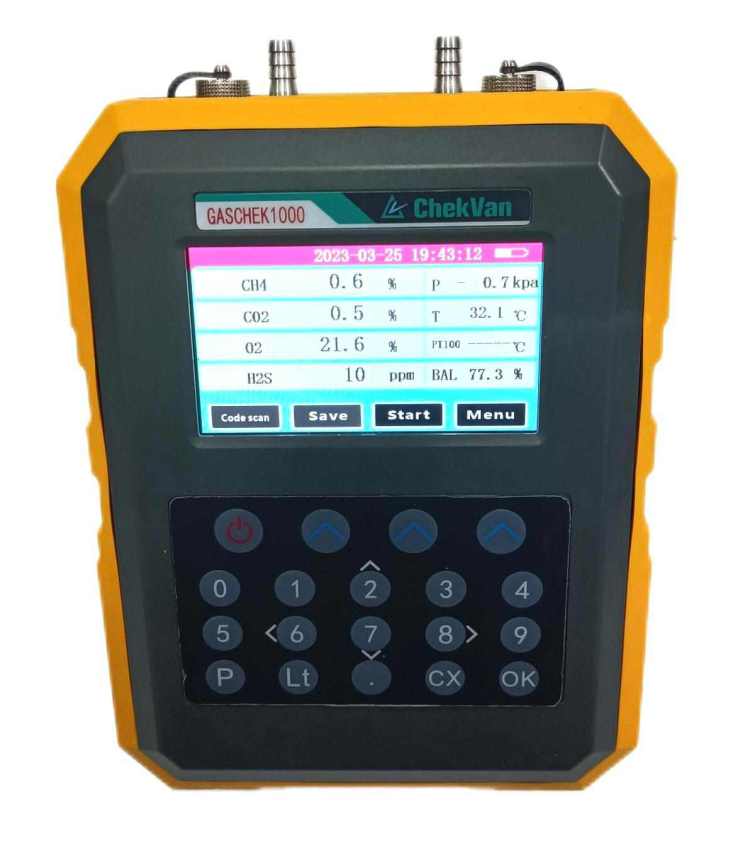
- 4. Gas monitoring: GASCHEK1000 portable biogas analyzer, use advanced photoelectric sensing principles to detect and analyze methane (CH4), oxygen (O2), carbon dioxide (CO2), hydrogen sulfide (H2S) and other gases, and accurately report , while effectively checking the digestive process.
Benefits of Biodigester Plants
1. Waste Reduction
Biodigester plants significantly reduce the volume of organic waste that would otherwise end up in landfills. By converting waste into biogas and digestate, these plants mitigate the environmental burden of waste disposal and help manage waste more sustainably.
2. Renewable Energy Production
The biogas produced in biodigester plants is a renewable source of energy that can be used for various purposes:
– Electricity Generation: Biogas can power generators to produce electricity.
– Heating and Cooking: Biogas can be used as a clean fuel for heating and cooking, replacing traditional fossil fuels.
– Vehicle Fuel: After purification, biogas can be compressed into biomethane and used as a fuel for vehicles.
3. Nutrient-Rich Fertilizer
The digestate byproduct is a nutrient-rich fertilizer that can be used to enhance soil quality and boost agricultural productivity. Unlike chemical fertilizers, digestate is an organic alternative that improves soil health without harming the environment.
4. Greenhouse Gas Mitigation
Anaerobic digestion in biodigester plants captures methane, a potent greenhouse gas, which would otherwise be released into the atmosphere from decomposing organic waste in landfills. By capturing and utilizing this methane, biodigester plants contribute to reducing overall greenhouse gas emissions.
5. Economic Opportunities
Biodigester plants create economic opportunities by generating revenue from biogas and digestate sales. They also promote local job creation in plant operation, maintenance, and related services. Additionally, they support rural and agricultural economies by providing farmers with affordable, high-quality fertilizer.
The Broader Impact
Biodigester plants are not just about waste management and energy production; they play a pivotal role in broader environmental and social contexts:
1. Enhancing Energy Security
By providing a local and renewable source of energy, biodigester plants enhance energy security and reduce dependence on imported fossil fuels. This is particularly important for rural and remote areas with limited access to conventional energy sources.
2. Promoting Circular Economy
Biodigester plants epitomize the principles of a circular economy by turning waste into valuable resources. They create a closed-loop system where waste is continuously recycled, thereby reducing the need for virgin materials and minimizing environmental impact.
3. Improving Public Health
By reducing the volume of waste sent to landfills and minimizing open dumping, biodigester plants help improve public health. They reduce the risk of water contamination, control odor, and decrease the incidence of disease vectors such as rodents and flies.
Biodigester plants are revolutionizing waste management by providing an effective and sustainable solution for dealing with organic waste. They offer a multitude of benefits, from renewable energy production and greenhouse gas mitigation to nutrient-rich fertilizer creation and economic opportunities. As global awareness of environmental issues continues to rise, the adoption of biodigester technology will play a crucial role in building a sustainable future and addressing the waste management challenges of today and tomorrow.
 Manufacturer of biogas analyzer, landfill gas analyzer and extraction monitor, anaerobic digester gas analyzer